 Vipin PG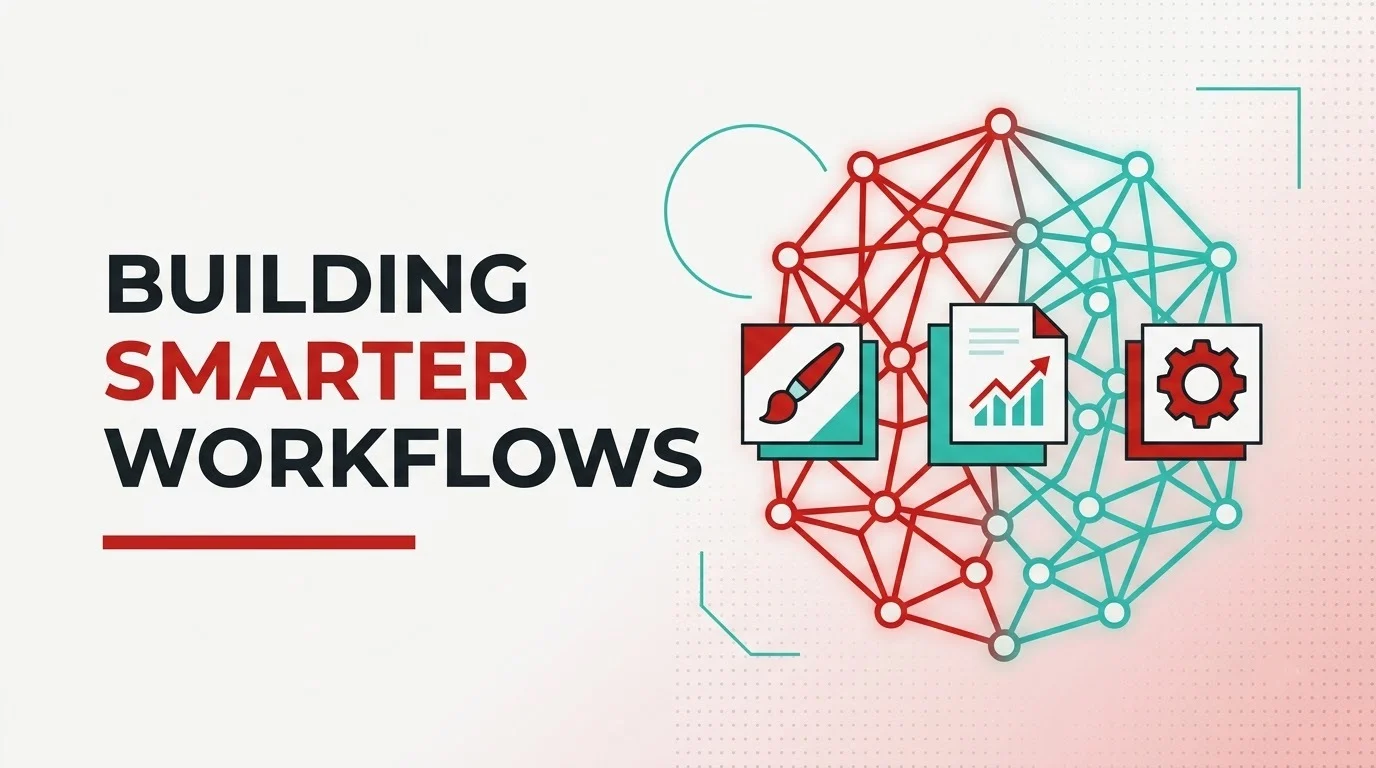
Artificial intelligence is rapidly changing into a technology that does much more than generate content. Today’s AI solutions are designed to connect ideas, automate workflows, and improve collaboration across entire organizations. Instead of treating AI as a standalone tool, businesses are beginning to integrate it into every stage of their digital operations, from planning and creation to execution and optimization. This new approach allows teams to work more efficiently while delivering consistent, high-quality results at scale.
AI Is Becoming the Foundation of Modern Workflows
As digital projects become more complex, professionals need tools that can simplify repetitive tasks without interrupting the creative process. Modern AI platforms are designed to support complete workflows, allowing users to brainstorm ideas, organize information, generate content, and refine outputs within a connected environment. Rather than moving between multiple applications, teams can simplify their work through AI-powered systems that reduce friction and improve overall productivity. This shift is making AI an essential part of everyday business operations rather than an occasional productivity tool.
Smarter AI Models Are Expanding Business Possibilities
The latest generation of AI models demonstrates significant improvements in reasoning, contextual understanding, and response quality. These advancements make AI increasingly useful for solving complex problems, assisting with research, and supporting creative decision-making. One example is Hailuo 3.0, which reflects the industry’s continued focus on building AI models that are faster, more accurate, and better equipped to handle demanding professional tasks. As these models continue to evolve, organizations gain access to intelligent assistants capable of supporting increasingly sophisticated workflows. The combination of stronger reasoning and improved adaptability is helping businesses open greater value from AI technology.
Connected Creative Platforms Improve Collaboration
Another important development is the emergence of integrated AI ecosystems. Instead of relying on isolated tools for every task, organizations are adopting platforms that connect multiple AI capabilities into a unified experience. OpenArt MCP represents this movement toward connected creative workflows by enabling smoother collaboration between AI-powered creative processes and broader digital operations. Integrated platforms help reduce manual effort, improve consistency, and allow creative teams to manage projects more efficiently from concept through delivery. As organizations continue scaling content production, connected AI environments provide the flexibility needed to support growing creative demands.
AI Supports Teams Across Every Department
Artificial intelligence is no longer limited to technical specialists or creative professionals. Teams throughout an organization are using AI to improve productivity and simplify everyday work. Common business applications include:
- Brainstorming creative concepts.
- Organizing project documentation.
- Supporting marketing initiatives.
- Assisting with strategic planning.
- Automating repetitive administrative tasks.
- Enhancing communication between cross-functional teams.
These capabilities enable organizations to operate more efficiently while allowing employees to focus on high-value activities that require human expertise.
Human Judgment Continues to Drive Innovation
Although AI systems have become increasingly capable, successful outcomes still depend on human insight. Professionals remain responsible for setting objectives, evaluating AI-generated outputs, and making strategic decisions based on business goals. The most effective organizations recognize that AI works best as a collaborative partner, enhancing creativity and productivity without replacing human experience or critical thinking.
Preparing for the Next Generation of AI
Artificial intelligence will continue to evolve through stronger reasoning capabilities, deeper software integrations, and more intelligent automation. Future AI ecosystems will enable businesses to connect creative production, operational workflows, and decision-making into unified digital environments that improve efficiency across every department. Organizations that begin adopting connected AI strategies today will be better positioned to adapt to future technological advancements and remain competitive in an increasingly AI-driven economy.
Conclusion
Artificial intelligence is reshaping the future of digital work by making creative and business workflows more connected, efficient, and intelligent. Advanced models such as MiniMax H3 show the rapid progress being made in AI capabilities, while solutions like OpenArt MCP demonstrate how integrated platforms can simplify collaboration and simplify creative production. Together, these innovations are helping businesses build smarter workflows, improve productivity, and prepare for the next era of digital transformation.