 Vipin PG
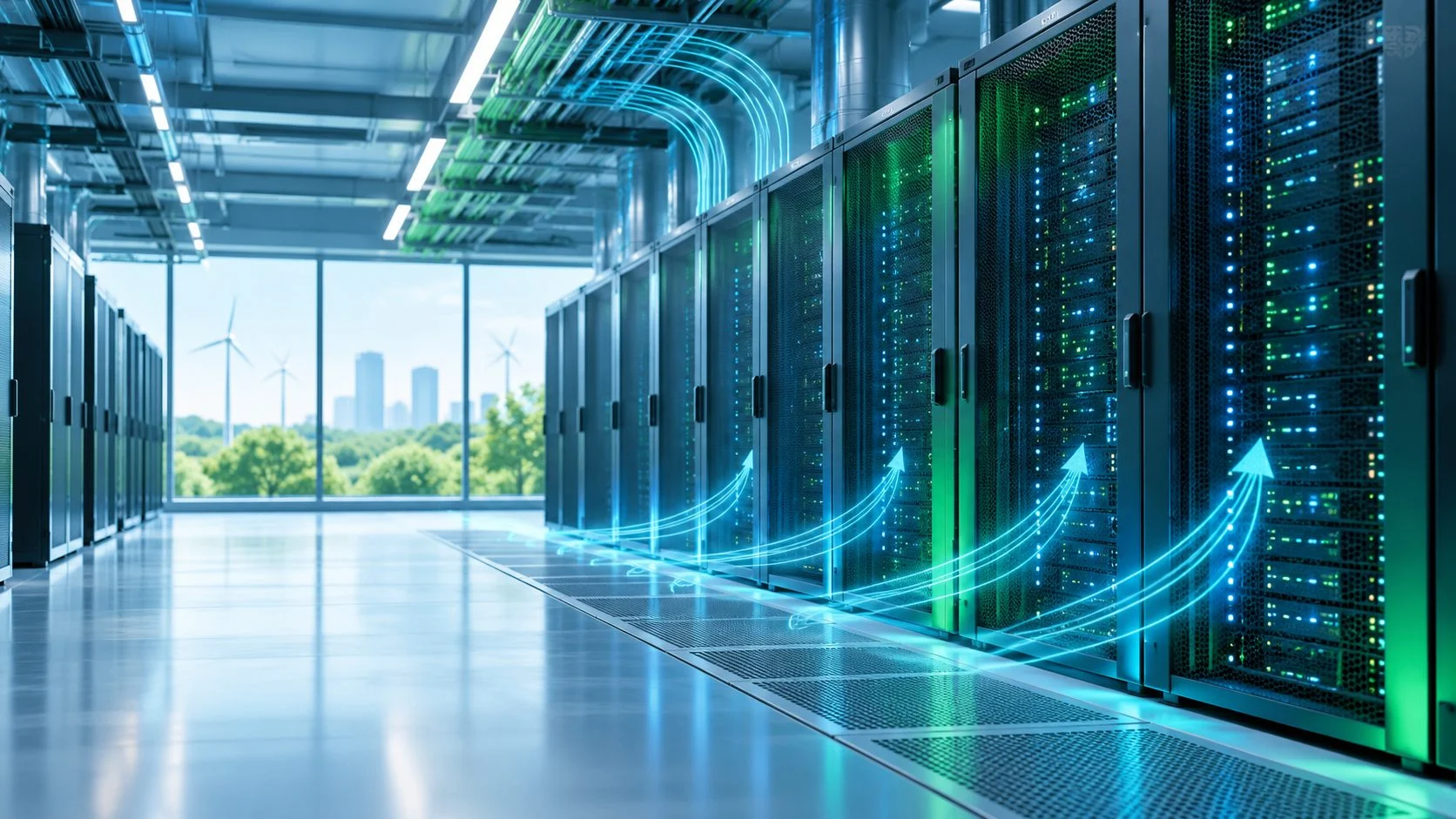
Data centers need a dependable power supply and effective cooling to keep servers and other IT equipment running. As server densities increase, managing energy consumption becomes more challenging. Decisions about electrical infrastructure, cooling capacity, and equipment placement can have a lasting effect on operating costs and reliability.
Understanding how data center design supports energy-efficient IT operations is useful when planning a new facility or upgrading an existing one. The aim is to provide enough power and cooling for current workloads while keeping energy losses under control. Maintenance access, equipment reliability, and future expansion also need to be considered from the beginning.
Design priorities for efficient data centers
For cost-sensitive IT infrastructure projects, selecting the right design involves looking beyond the initial installation cost. Reliability, energy consumption, and operating expenses over several years all influence the decision.
Modular electrical distribution, efficient cooling, intelligent monitoring, and scalable infrastructure are among the options worth considering. Each needs to match the expected IT load, the facility’s operating conditions, and its plans for expansion. Oversized equipment can increase unnecessary energy consumption, while insufficient capacity may create problems as workloads grow.
1. Efficient power distribution
Electricity passes through several components before reaching the servers. Losses along this path can increase the total power consumed by the facility. A suitable electrical design considers circuit requirements, voltage, current capacity, power factor, transformer efficiency, busway configuration, and distribution losses.
High-efficiency Uninterruptible Power Supply (UPS) systems can help reduce power conversion losses. Power Distribution Units (PDUs) also need to be sized correctly so electricity can be distributed safely and efficiently to the racks.
Modular power infrastructure is particularly useful when a data center is expected to expand gradually. Instead of installing and operating more capacity than is currently needed, additional modules can be introduced as demand increases. This helps avoid unnecessary energy use during the early stages of operation.
Load balancing is another consideration. Distributing electrical loads appropriately across circuits can reduce stress on individual components and make better use of the available infrastructure.
2. Cooling that matches the IT load
Servers generate heat continuously, and removing that heat requires a considerable amount of energy. Cooling systems therefore need to be planned around the actual equipment load, rack density, and environmental conditions.
A common approach is to arrange racks in hot-aisle and cold-aisle configurations. This separates the cooler air supplied to IT equipment from the warmer air leaving the servers. Better airflow management can reduce the amount of cooling effort wasted through air mixing.
Cooling equipment should also respond to changes in demand. Variable-speed fans can adjust airflow when cooling requirements change, while efficient chillers help manage larger cooling loads. For high-density workloads, liquid cooling may be appropriate where conventional air cooling becomes less effective.
Temperature monitoring helps operators understand how heat is distributed throughout the facility. It can reveal areas that need additional cooling and areas receiving more cooling than necessary. This information supports better thermal zoning and can reduce unnecessary operation of fans and compressors.
3. Monitoring and control
Energy consumption is difficult to manage without knowing where electricity is being used. Monitoring systems provide information about the performance of electrical and cooling infrastructure during normal operation.
A data center should have suitable monitoring for power consumption, voltage, current, temperature, humidity, and equipment status. These measurements help facility teams identify changes in operating conditions and investigate unusual energy consumption.
Intelligent power management systems can track energy usage over time, detect abnormal loads, and provide information for capacity planning. For example, monitoring circuit loads can help determine whether existing electrical infrastructure has enough capacity for additional equipment.
Real-time alerts are equally useful. When electrical or thermal conditions move outside acceptable operating limits, the maintenance team can investigate before the problem develops into a more serious disruption.
4. Scalable and serviceable infrastructure
IT requirements rarely remain unchanged throughout a data center’s operating life. New applications, additional servers, and higher equipment densities can increase the demand for power and cooling.
Planning for expansion helps accommodate these changes without requiring major infrastructure replacements. Modular UPS units, scalable PDUs, expandable cooling systems, and adaptable rack layouts allow capacity to be added as requirements change.
This approach can also help control initial investment. Equipment capacity can be introduced in stages instead of installing a much larger system before the additional resources are needed.
Maintenance access deserves attention during the design stage as well. Electrical panels, power distribution equipment, and cooling components should be positioned so technicians can inspect and service them without unnecessary disruption to nearby IT systems. Accessible equipment can make routine maintenance easier and reduce the operational impact of planned work.
Optimizing data center design for energy-efficient IT operations
An energy-efficient data center depends on how well its electrical, cooling, and monitoring systems work together. Improving one part of the infrastructure is useful, but its effect also depends on the rest of the facility.
Electrical factors such as circuit voltage, current capacity, power factor, and distribution efficiency influence how much energy is lost before power reaches IT equipment. Cooling efficiency depends on rack arrangements, airflow management, equipment selection, and the ability to adjust cooling output according to actual demand.
Monitoring connects these areas by showing how infrastructure performs during operation. It gives facility teams the information needed to investigate energy waste, identify capacity limitations, and plan upgrades based on actual usage.
Modular infrastructure provides flexibility as workloads grow or equipment requirements change. Working with an experienced electrical infrastructure provider can also help when selecting and integrating power distribution, protection, and monitoring equipment.
By considering these requirements during planning, data center operators can build infrastructure that supports reliable IT services, accommodates future expansion, and provides better control over energy consumption and long-term operating costs.