
 Vipin PG
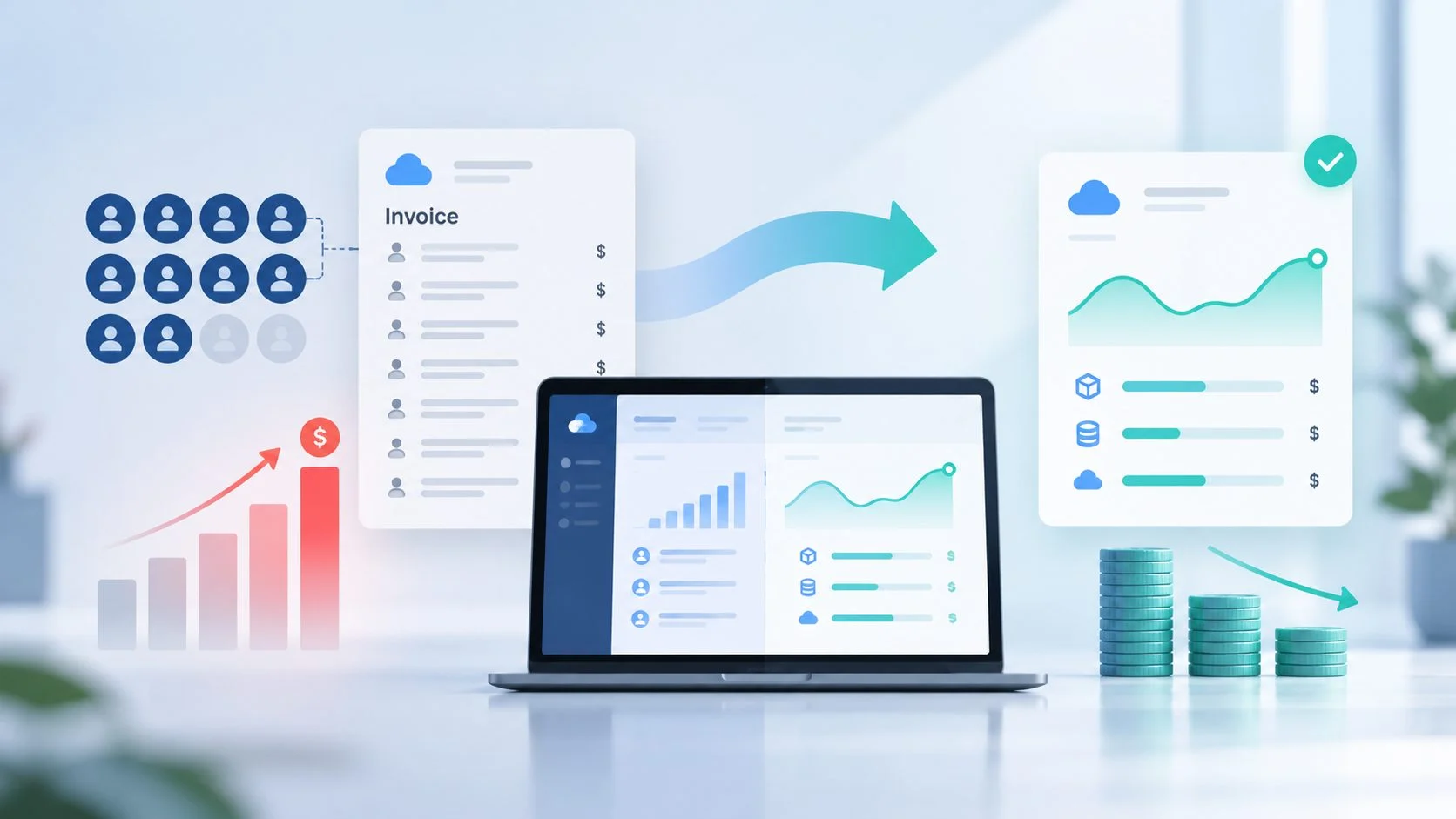
If your company pays for B2B marketing, CRM, or orchestration tools, you will probably have come across a rather annoying entry on your monthly invoice: seat licences.
Software-as-a-Service (SaaS) was meant to provide technology at a lower cost and make it easier to manage than on-premises servers, but enterprise software has now led to an unnoticed burden on budgets, known as the “SaaS Tax”. Due to per-user charges, minimum number of seat requirements, and the need for annual lock-ins, growth teams end up paying thousands of dollars each month simply in order to log in.
The reason the conventional per-seat licensing model is causing software budgets to be exceeded—and the way a more recent consumption-based approach is altering the situation.

The Problem: Why Per-Seat SaaS Slows Teams Down
If you head up a lean digital agency or are in charge of commercial technology at a mid-sized company, traditional subscription licensing leads to three real headaches:
- Paying for “Shelfware”: Most B2B campaigns run in cycles. You might push hard for two months, pause to qualify leads, and ramp up again next quarter. Yet SaaS subscriptions charge the same flat fee regardless of whether your team logs in daily or leaves the dashboard untouched for weeks.
- Account Hoarding & Security Workarounds: Because vendors charge $50 to $200+ for every additional seat, IT and finance departments strictly limit user accounts. What happens next? Teams start sharing passwords, using generic logins ([email protected]), or manually exporting data to bypass seat limits. This creates serious data security risks and fragments visibility across sales and marketing.
- Software Fees Cannibalise Media Budgets: If your monthly B2B budget is $10,000, spending $3,000 on software licences leaves only $7,000 for actual distribution and advertising. The software dashboard looks great, but you don’t have enough budget left to reach actual buyers.
The Fix: How Consumption-Based B2B Software Works
An increasing number of alternatives, led by Nordic software companies such as Inzynk, draw inspiration from cloud services like Amazon Web Services (AWS) or Cloudflare by eliminating platform fees and charging only for usage.
Instead of paying for seats or subscriptions:
- User accounts are free. Every salesperson, media buyer, and external agency partner can have their own secure login with granular permissions, and you don’t get locked out when budgets fluctuate.
- You pay only for output. Costs are tied directly to the digital impressions and account-level outreach actually delivered to target accounts.
Pål Lind, co-founder of Inzynk, described seat licences in the Norwegian tech outlet kode24 as “digitised tollbooths” that discourage adoption. When software drops the tollbooth, platforms compete on efficiency, open APIs, and actual delivery rather than trapping customers in multi-year contracts.
Practical Steps: How to Audit Your Tech Stack for Licence Bloat
If you want to cut wasted software spend without sacrificing capability:
- Audit active seat utilisation: Export your last 90 days of login activity from your current B2B marketing platform. Flag any licence that hasn’t logged in for 30+ days, and look closely to see if they are actually being used.
- Calculate your true “Cost Per Active User”: Divide your total annual subscription by the number of frequent users, not total provisioned accounts. You’ll quickly spot which platforms are overpriced for your workflow. You can also view platform cost as a kind of tax, in this case, “SaaS Tax”.
- Prioritise consumption and API-first tools: When evaluating new B2B tools, ask vendors whether they offer pay-as-you-go or usage-based pricing models. Tools that tie costs directly to measurable output give finance teams clearer ROI and eliminate long-term shelfware risk.