 Vipin PG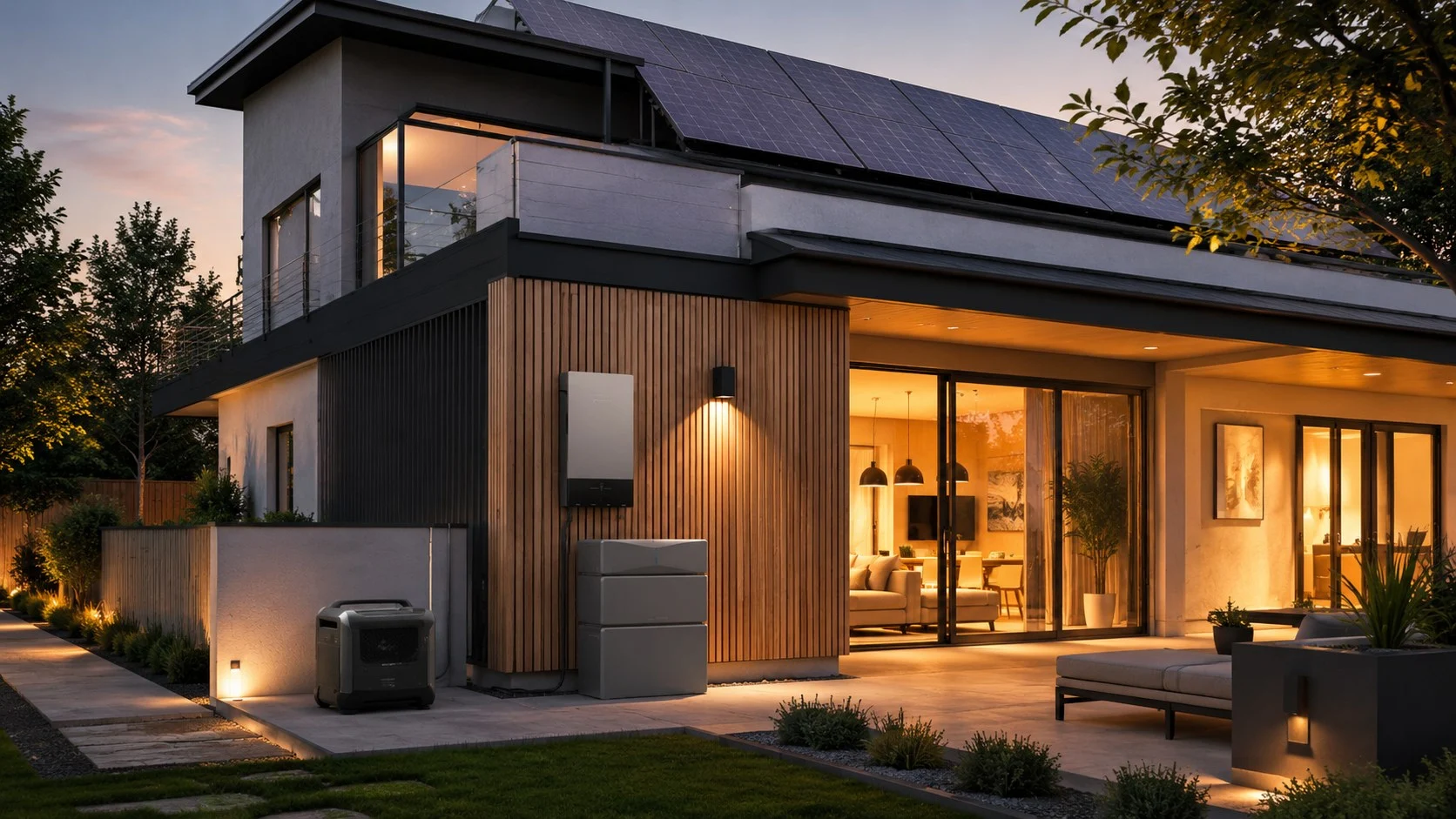
Renewable energy storage systems can power a home for several hours to multiple days, and a well-designed battery system can remain useful for 10 to 15 years or longer. Backup duration depends on battery capacity, household energy demand, and whether solar panels can recharge the system during use. Long-term lifespan depends on battery chemistry, charging habits, operating temperature, and maintenance. Understanding both runtime and service life helps homeowners choose the right system size, protect battery health, and get more dependable value from solar energy storage.
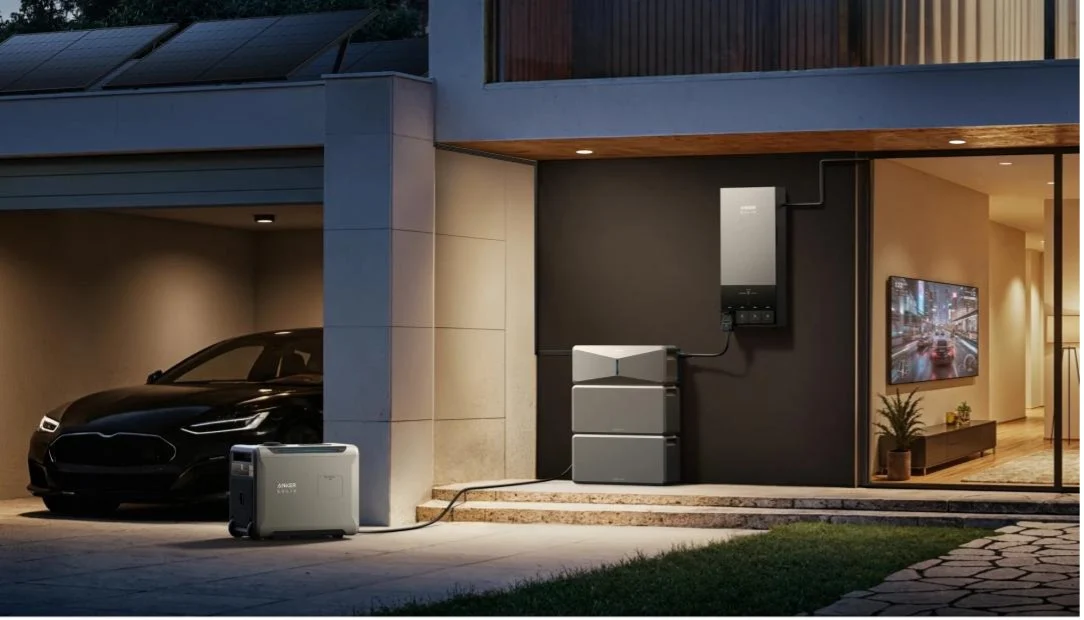
How Long Can Energy Storage Power Your Home?
Battery Capacity Determines Available Backup Time
Battery capacity sets the total amount of energy your system can store and deliver during an outage. A larger battery bank supports more appliances for a longer period, while a smaller system is better suited for essential loads only. For example, Anker SOLIX E10 offers 6-90kWh battery expandability, allowing homeowners to size storage for short overnight backup or extended whole-home support. When capacity matches actual demand, the system provides predictable backup time and avoids the frustration of running out of stored power too quickly.
Energy Usage Affects How Long Power Lasts
Household consumption directly shapes how long stored energy lasts. Running lights, refrigeration, internet equipment, and a few outlets use far less power than operating central air conditioning, electric water heating, or large kitchen appliances. Lowering demand during an outage can dramatically extend runtime. Many homeowners stretch backup power by prioritizing critical circuits and delaying nonessential loads. A battery that lasts most of a day under light use may provide only a few hours if several high-wattage devices operate at the same time.
Solar Charging Can Extend Backup Duration
Solar charging can turn battery backup from a limited reserve into a renewable power source that continues operating day after day. When sunlight is available, solar panels recharge the battery while also supporting household loads, reducing the amount of stored energy being drained. Systems with higher charging capability can recover faster between periods of use. For instance, Anker SOLIX E10 supports 9-27kW solar input, which can help replenish storage quickly and extend backup duration significantly during sunny conditions and planned energy management.
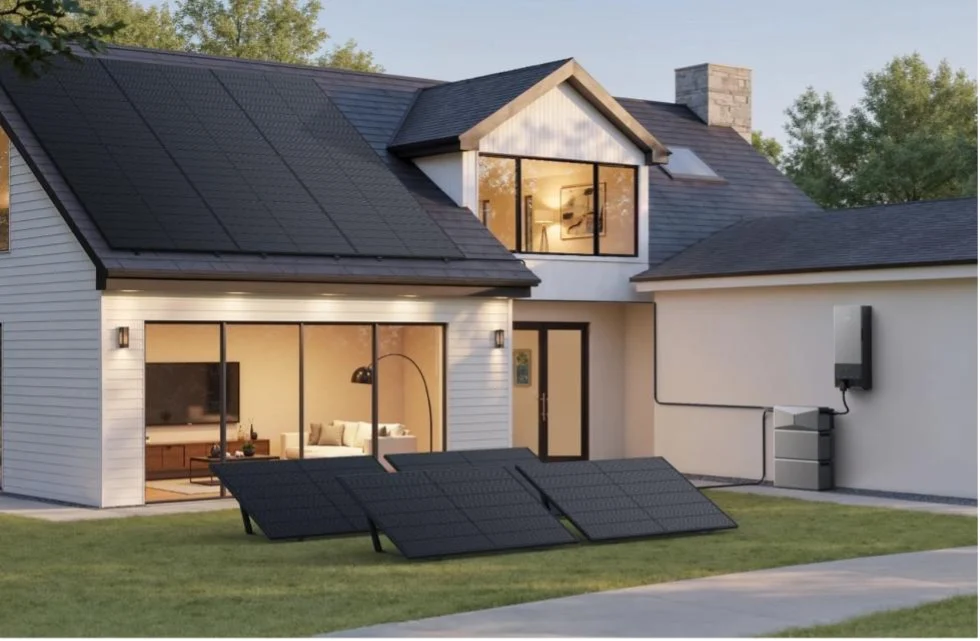
What Affects the Lifespan of Renewable Energy Storage Systems?
Battery Chemistry Impacts Long-Term Performance
Battery chemistry plays a major role in safety, durability, and usable lifespan. Modern renewable energy storage systems often use lithium iron phosphate because it offers strong thermal stability and long cycle life compared with older battery types. This chemistry generally maintains performance well over years of daily charging and discharging. Other chemistries may deliver different energy density or cost advantages, but they can age faster under similar use. Choosing the right chemistry helps homeowners balance longevity, reliability, and long-term value when planning home backup storage.
Charging Cycles Influence Battery Degradation
Each time a battery charges and discharges, it uses part of its cycle life. Over hundreds or thousands of cycles, the battery gradually loses some capacity, which reduces total backup time. Daily cycling for solar self-consumption typically ages a battery faster than occasional emergency-only use, though quality systems are designed for frequent operation. Partial discharges are generally less stressful than repeatedly draining the battery to very low levels. A system with strong cycle durability will keep more of its original capacity and deliver more consistent performance over time.
Temperature and Maintenance Affect System Life
Heat and cold both affect battery health, but excessive heat is especially damaging because it accelerates internal wear and shortens long-term capacity retention. Very low temperatures can also reduce performance and charging efficiency. Proper installation in a sheltered, ventilated location helps maintain stable operating conditions. Regular maintenance matters too, even for low-maintenance battery systems. Homeowners should keep firmware updated, inspect connections when recommended, and ensure the system remains clean and unobstructed. Good environmental control and routine oversight support safer operation and a longer service life.
How to Extend the Life of Your Energy Storage System?
Avoid Excessive Battery Discharge
Keeping a battery out of extreme low-charge states helps preserve its long-term health. Deep discharge creates more stress than shallow or moderate use, especially when repeated often over many years. Many modern systems include battery management controls that prevent harmful over-discharge, but user settings still matter. Setting a backup reserve can protect capacity for outages while reducing unnecessary strain during daily cycling. Homeowners who avoid draining the battery to the lowest possible level usually see steadier performance, better usable capacity retention, and a longer overall system lifespan.
Monitor System Performance Regularly
Regular monitoring helps catch small issues before they become costly problems. Most energy storage systems provide app-based or onboard data showing charge level, solar input, power output, and historical usage patterns. Reviewing this information can reveal unusual discharge rates, charging interruptions, or performance declines that need attention. Monitoring also helps homeowners adjust appliance use to improve runtime during outages. When system data is checked consistently, it becomes easier to protect battery health, confirm the storage setup is working efficiently, and maintain reliable backup performance year-round.
Maintain Proper Charging and Storage Conditions
Proper charging and storage conditions protect both immediate performance and long-term battery life. Follow the manufacturer's recommended charging range, installation environment, and ventilation requirements so the system can operate within safe limits. If the battery will sit unused for a period, store it at the advised state of charge rather than fully full or completely empty. Keep the area dry, stable, and free from excessive heat exposure. Consistent operating conditions reduce stress on the battery and help preserve capacity, efficiency, and dependable backup capability over time.
Conclusion
Renewable energy storage systems can last for many years and provide backup power from several hours to multiple days, depending on system size and household demand. In practical terms, larger battery capacity, careful load management, and solar recharging deliver the longest runtime. Long service life comes from durable battery chemistry, moderate cycling, and good temperature control. Homeowners who size their system carefully, monitor performance, and follow proper charging practices can expect more reliable backup power and stronger long-term value from energy storage.