
 Vipin PG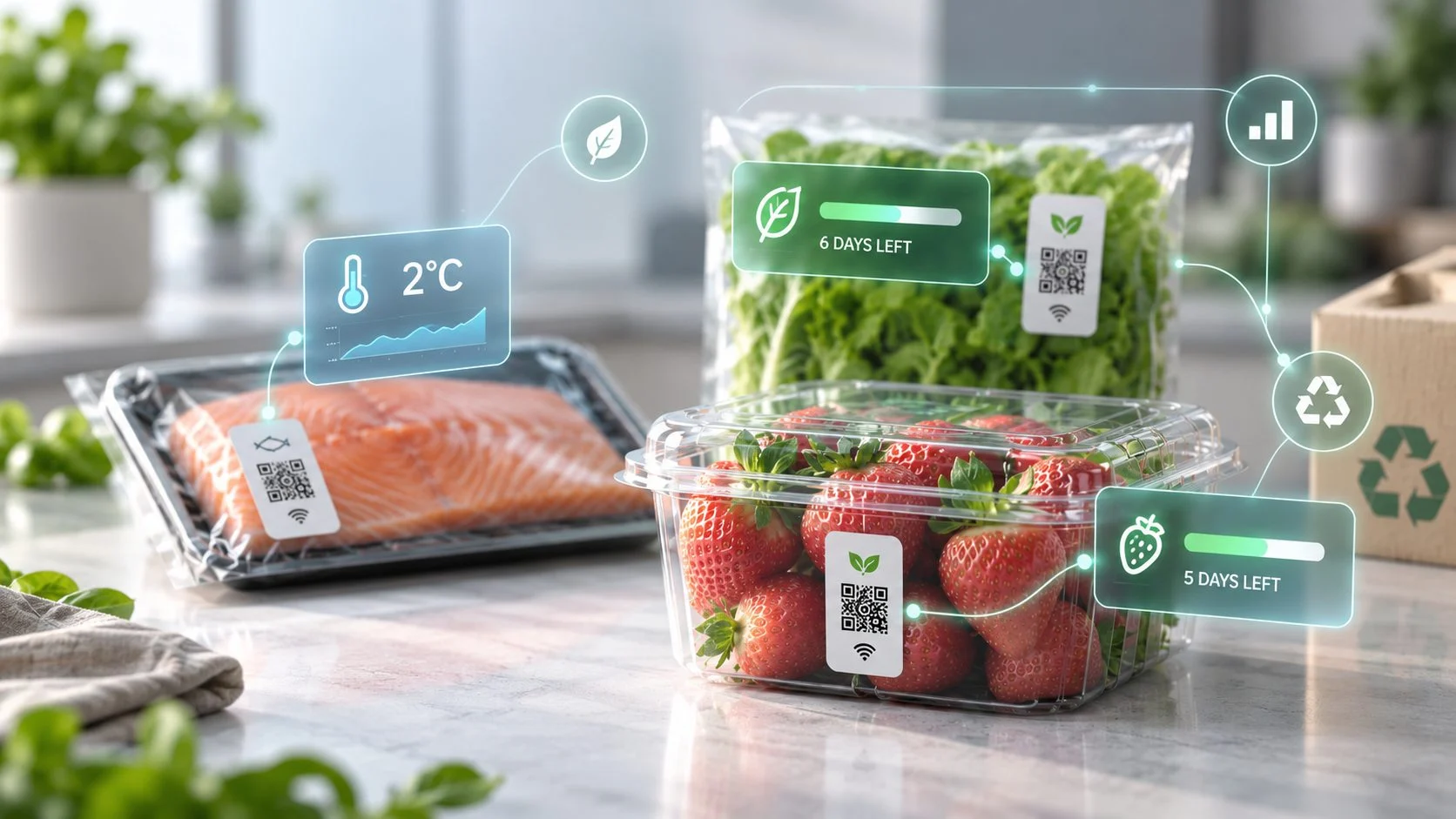
In the dynamic world of food production and distribution, packaging innovation is having a profound effect on the longevity and safety of consumables. As demands rise for fresher products and more sustainable practices, smart packaging technology is reshaping how we store, transport, and consume food. Solutions like Presscon illustrate a growing reliance on advanced methods to extend shelf life and minimize food loss throughout the supply chain.
The rise of smart packaging in food preservation
Traditional food packaging often aimed only to shield products from contamination and physical damage. However, smart packaging takes this further by interacting with its contents and environment. The introduction of tools such as the modern nitrogen generator reveals how inert gases can be used to create protective atmospheres inside packages, effectively slowing oxidation and inhibiting bacterial growth. By adjusting internal gas ratios, these systems extend freshness for everything from meats to delicate bakery goods.
Extending shelf life is crucial not just for supermarkets and manufacturers, but also for consumers who want high-quality food on their tables. Smart packaging achieves this through various techniques, including modified atmosphere packaging (MAP) and active packaging with moisture or oxygen absorbers. By monitoring and responding to internal changes, these systems can dramatically reduce the risk of spoilage, keeping food in optimal condition for longer periods. As a result, retailers enjoy fewer returns and consumers have access to fresher food with fewer preservatives.
Advanced packaging also opens the door for real-time quality tracking. Integrating sensors or indicators, these designs can alert stakeholders when temperature thresholds are breached or if the product’s environment becomes unfavorable. This immediacy allows handlers to take corrective action, minimizing losses and improving overall food safety. Companies adopting this technology demonstrate a proactive approach to food preservation and waste reduction, setting new industry standards.
Reducing food waste across the supply chain
Globally, food waste represents a major economic and environmental problem. Estimates suggest that nearly one-third of all food produced is lost or wasted each year, translating to significant resource loss and unnecessary greenhouse gas emissions. Smart packaging technology addresses this at multiple points along the supply chain, from processing plants to household refrigerators. By improving shelf life and real-time monitoring, these advances offer tangible ways to prevent edible goods from being discarded prematurely.
In wholesale and retail, inventory management benefits significantly. Sensors embedded in packaging can communicate when food is about to spoil, enabling quick markdowns or redistribution to avoid unnecessary disposal. For instance, supermarkets can use this data to promote soon-to-expire goods, while food banks can target charitable contributions more efficiently. This targeted approach is redefining inventory dynamics, encouraging a shift from discard-and-replace to monitor-and-redirect.
For end consumers, smart packaging provides clear information about when food is truly no longer safe to eat, going beyond static expiration dates that often err on the side of caution. Smart indicators and freshness sensors can reveal real-time product status, empowering people to make informed decisions. This shift helps households trust their products longer and reduces the tendency to throw away potentially safe and edible food, thereby decreasing overall waste on a societal scale.
Technologies powering the smart packaging revolution
Behind these innovations are an array of cutting-edge technologies, from chemical sensors to wireless communication chips. Oxygen and carbon dioxide sensors inside packages track atmospheric changes, while time-temperature indicators reveal inappropriate storage events during transportation. Some systems even employ RFID tags or QR codes, allowing logistics managers and consumers to access detailed product histories via smartphone apps. These additions enable a transparent, traceable supply chain with fewer blind spots and intervention points.
Packaging with antimicrobial coatings is another promising trend. These materials neutralize pathogens on the product’s surface, further reducing spoilage risk without relying solely on low temperatures or chemical preservatives. Meanwhile, intelligent labels and inks can visually change color to indicate food freshness, giving an instant and easy-to-read status update. As material science progresses, we can expect more affordable and scalable solutions suitable for mass adoption across diverse food sectors.
Data-driven insights gleaned from smart packaging are also informing broader food system practices. By collecting longitudinal data about spoilage rates, transportation incidents, and consumer handling, organizations can optimize processing schedules, distribution routes, and inventory levels. This not only saves products from landfill, but also reduces resource input, lowering both costs and environmental impact. Combining these approaches with renewable or recyclable packaging materials increases the sustainability potential even further, ensuring the industry remains responsive to global challenges and consumer expectations.
The future potential of smart packaging
As demand grows for environmentally responsible solutions and greater transparency in the food industry, smart packaging technologies are poised to evolve rapidly. Collaborations between food scientists, materials engineers, and digital technologists are driving a new generation of smart, adaptive designs that blend preservation, communication, and sustainability. With further refinement, these systems may soon help tackle issues such as allergen tracking, nutrient monitoring, and personalized consumption guidance, transforming how society thinks about food safety and efficiency.
Regulatory bodies are also beginning to recognize the potential of smart packaging. Many countries are updating labeling laws and food safety guidelines to accommodate the dynamic, data-rich information these packages can provide. This shift will likely speed adoption rates and standardize best practices, making robust food preservation and waste reduction accessible to larger sections of the supply chain. Early adopters in manufacturing, retail, and even small-scale producers are already reaping benefits, and momentum is expected to build in the coming years.
Ultimately, smart packaging is not just about keeping food fresh, it’s about reengineering the entire journey from farm to fork. By merging technology and innovative design, stakeholders can create responsive, sustainable systems that cut waste, improve safety, and help ensure everyone has access to high-quality nutrition. As these solutions become more ubiquitous, they will play a pivotal role in tackling the twin challenges of food preservation and resource management on a global scale.