 Vipin PG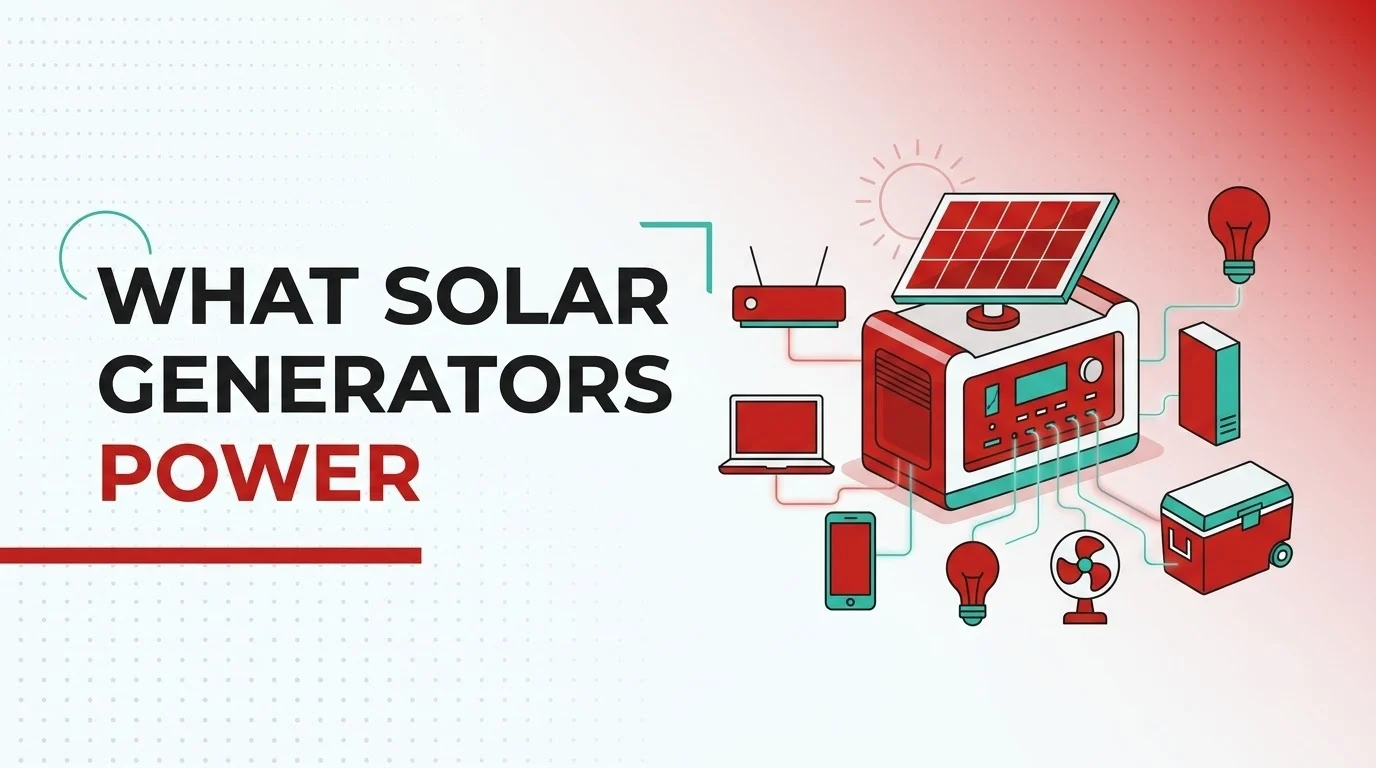
A portable solar generator can run far more than phone chargers and camping lights. With the right battery size and output rating, it can power laptops, Wi-Fi routers, CPAP machines, mini fridges, TVs, fans, power tools, and even selected kitchen appliances for limited periods. That makes it useful for camping, road trips, outdoor work, RV travel, and home backup during outages. The key is matching the generator’s capacity and inverter output to the devices you want to use. Some models are built for light electronics, while larger units can support essential household equipment. Understanding what a portable solar generator can run helps you avoid overloads, estimate runtime more accurately, and choose a setup that fits your daily use or emergency plan. 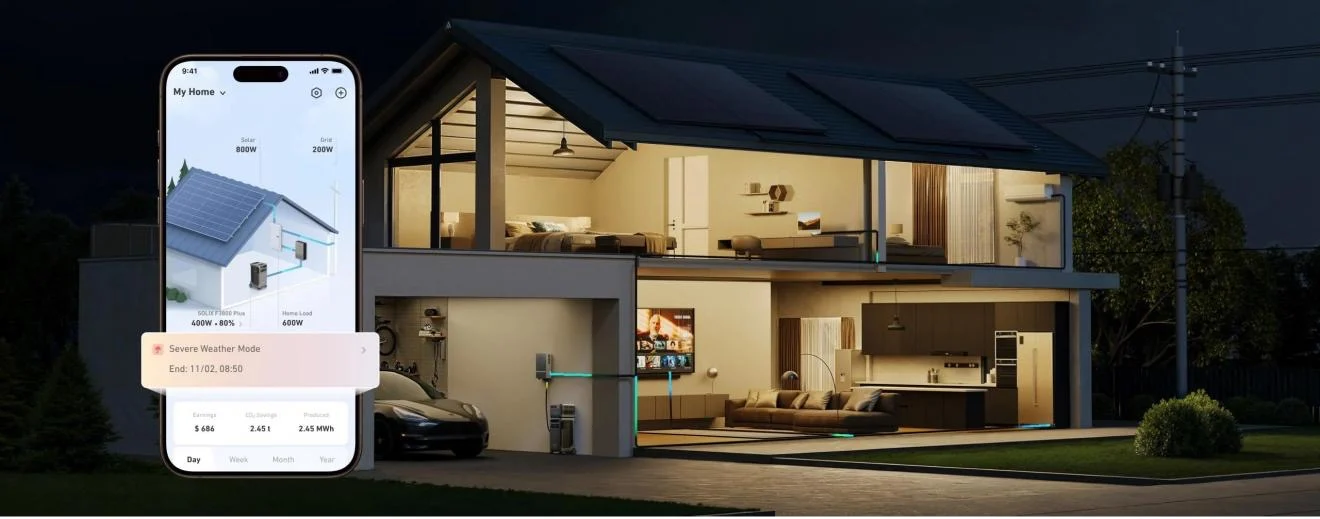
What Devices Can a Portable Solar Generator Power?
Small Electronics and Everyday Essentials
Portable solar generators are well suited for low-wattage devices you use every day. Most can easily run smartphones, tablets, laptops, cameras, portable speakers, LED lights, rechargeable batteries, routers, and small fans. These items draw modest power, so they usually offer long runtimes from a single charge. For outdoor trips, a solar generator can keep GPS devices, drones, headlamps, and electric coolers ready without relying on fuel. During outages, it can support internet equipment, radios, and medical accessories such as CPAP machines, provided the unit’s output matches the device requirements. If your main goal is charging personal electronics and keeping basic comforts available, a compact portable solar generator is often more than enough for reliable daily or backup use.
Home Appliances and Emergency Backup Equipment
Larger portable solar generators can power essential appliances and emergency equipment when grid power is unavailable. Depending on output and surge capability, they may run a refrigerator, microwave, coffee maker, television, electric blanket, sump pump, or window fan. Many people also use them for routers, lights, monitors, modems, and security systems to maintain communication and household safety. In an emergency, a properly sized unit can help preserve food, charge phones, and keep critical devices operating for hours. Some generators can also support small power tools for job sites or outdoor projects. The most important step is checking each appliance’s running wattage and startup surge, because motors and compressors usually require more power at startup than during normal operation.
Factors That Decide What a Solar Generator Can Run
Battery Capacity, Output Power, and Energy Demand
Three specifications determine what a portable solar generator can handle: battery capacity, inverter output, and the energy demand of your devices. Battery capacity, usually listed in watt-hours, tells you how much stored energy is available. Output power, listed in watts, shows how much electricity the generator can supply at one time. If a device needs more running or surge wattage than the inverter allows, it will not operate properly. Energy demand refers to how much power your devices use over time. For example, a 60W laptop is easy to run, while a 1,000W appliance drains the battery much faster. To judge compatibility, add up the wattage of the devices you plan to use and compare that total with the generator’s rated output.
Runtime, Charging Methods, and Power Management Tips
Runtime depends on both battery size and how efficiently you use power. A generator with higher watt-hour capacity will generally run devices longer, but actual runtime falls when you power multiple appliances at once. Recharging options also matter. Many portable solar generators support wall charging, car charging, and solar panel input, giving you flexibility at home, on the road, or off-grid. Solar charging is especially useful for extending use during multi-day camping trips or prolonged outages. To improve performance, prioritize essential devices, avoid running high-watt appliances unnecessarily, and stagger usage instead of powering everything at once. Choosing energy-efficient electronics, reducing idle loads, and checking battery levels regularly will help you get more practical runtime from any portable solar generator setup.
How to Choose a Portable Solar Generator for Your Needs
Matching Generator Size With Camping, Home, and Outdoor Use
Choosing the right portable solar power generator starts with where and how you plan to use it. For camping and short outdoor trips, a compact unit is usually enough for phones, lights, cameras, speakers, and small fans. For RV travel or longer stays off-grid, you may want more capacity to support coolers, laptops, cooking accessories, and longer runtimes between charges. For home backup, focus on larger models that can handle refrigerators, communications equipment, medical devices, and emergency lighting. Portability also matters: lighter units are easier to carry, while larger ones often provide stronger output and more battery storage. The best choice is the one that supports your essential devices comfortably, without pushing the inverter to its limit or leaving you short on runtime.
Exploring Portable Power Options From Anker SOLIX Solar Generators
Anker SOLIX solar generators offer portable power options for different use cases, from light mobile charging to more demanding backup needs. When comparing models, look closely at battery capacity, AC output, surge rating, available ports, and supported charging methods. A smaller unit may be ideal for weekend camping, keeping phones, laptops, lights, and cameras powered with minimal weight. A higher-capacity model fits home backup better, especially if you want to support a fridge, Wi-Fi gear, or multiple devices at the same time. Fast recharging and solar input compatibility also add flexibility for outages and outdoor use. If you want one system for travel, recreation, and emergency preparedness, choosing an Anker SOLIX model based on your actual wattage needs will deliver a more practical and efficient setup. 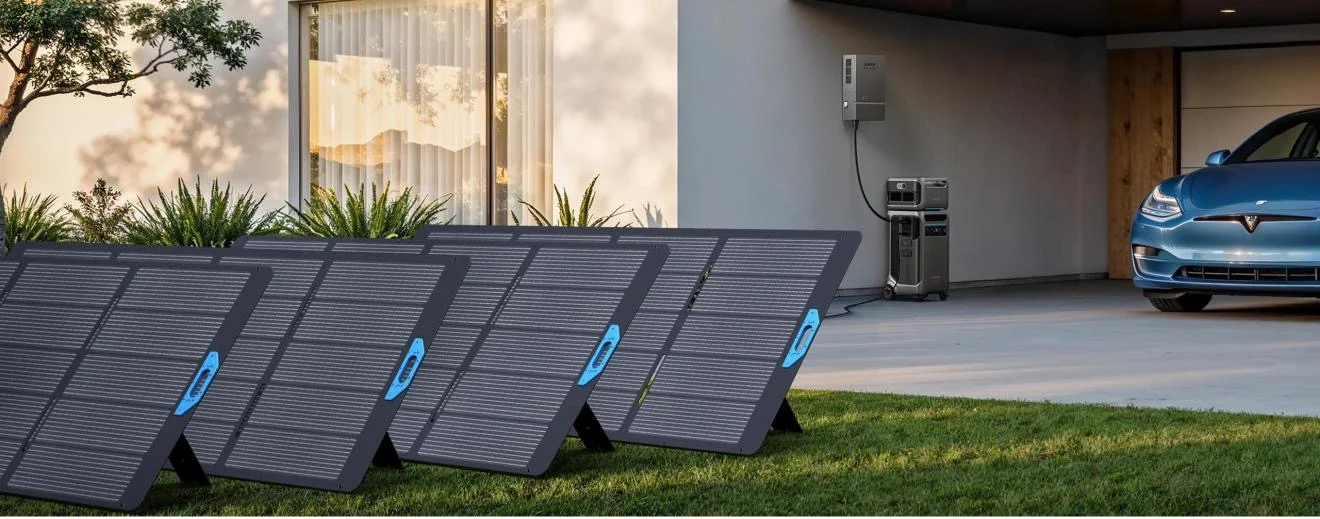
Conclusion
A portable solar generator can run anything from everyday electronics to selected home essentials, as long as its battery capacity and output match the job. Smaller units are best for phones, laptops, lights, and personal gear, while larger models can support refrigerators, routers, fans, medical equipment, and other emergency backup devices. The most reliable way to choose one is to total the wattage of the devices you want to power, account for startup surges, and estimate how long you need them to run. That approach gives you a clear answer instead of guesswork. Whether you need power for camping, outdoor work, RV travel, or home outages, the right portable solar generator provides quiet, flexible energy where and when you need it most.