
 Vipin PG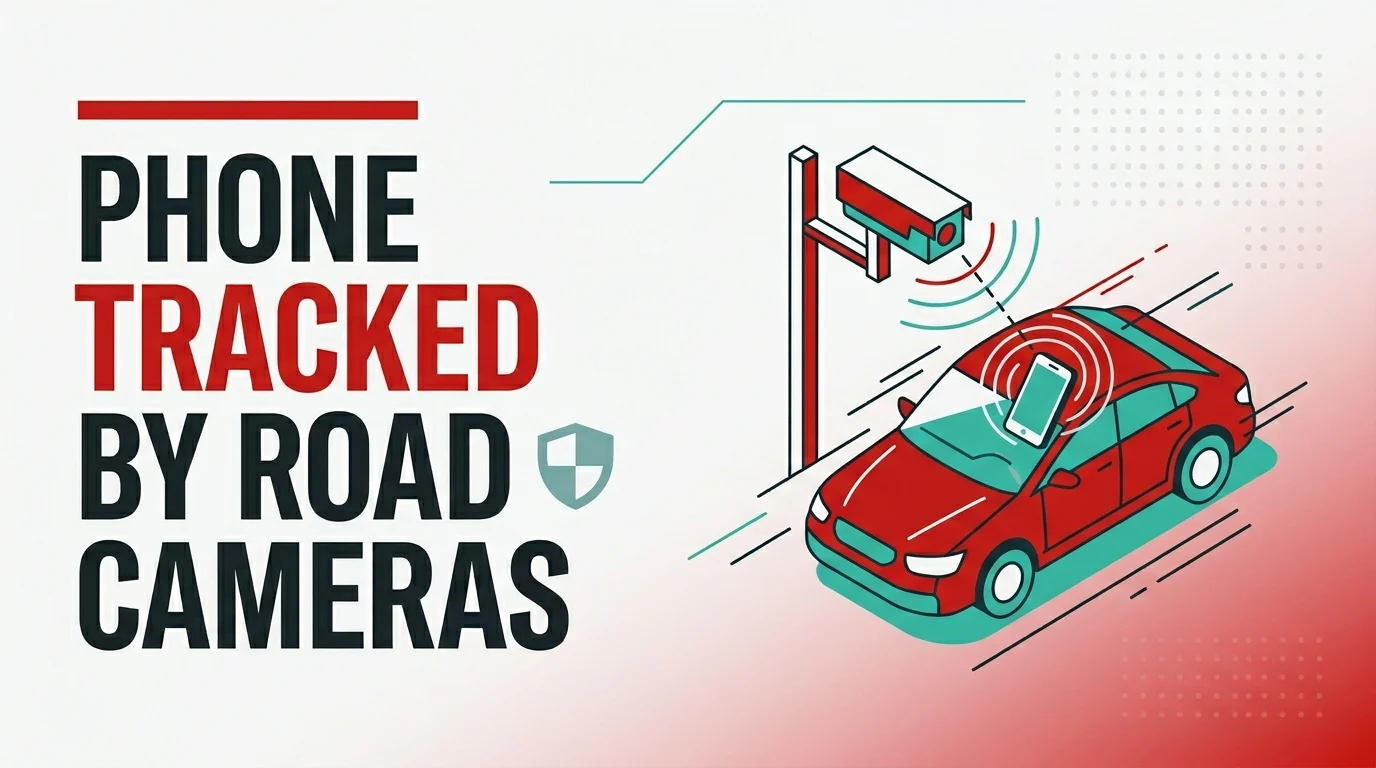
Every time you drive past a roadside camera, it reads your license plate. That’s been happening for years, and most people have accepted it as part of modern life.
But here’s what’s changing: those same cameras are now being upgraded to do something far more personal. They can now pick up the signal from your phone, your smartwatch, your wireless earbuds — and link all of that directly to your car. Without you knowing. Without your permission. And in most parts of the United States, without breaking any law.
The technology behind this is called SignalTrace, and it’s made by a company called Leonardo. The story broke on June 8, 2026, through a report by 404 Media, and it’s been making waves ever since — because what it describes isn’t something out of a sci-fi thriller. It’s already real, already marketed to law enforcement, and already raising serious questions about where surveillance ends and everyday life begins.
This article breaks it all down in plain terms — what SignalTrace is, how it works, what it can collect, and what it means for regular people like you and me.
First, Who Is Leonardo?
Before we get into the technology itself, it helps to know who’s behind it.
Leonardo S.p.A. is a large Italian aerospace, defense, and security company headquartered in Rome. It’s publicly traded, and as of June 2026, its market value sits at around €29.76 billion — so this is not a small startup. This is a serious, well-funded defense contractor.
Its US branch — Leonardo US Cyber and Security Solutions — already has contracts with the US Special Operations Command and the General Services Administration (GSA). That means it has established relationships with some of the most powerful government procurement channels in the country.
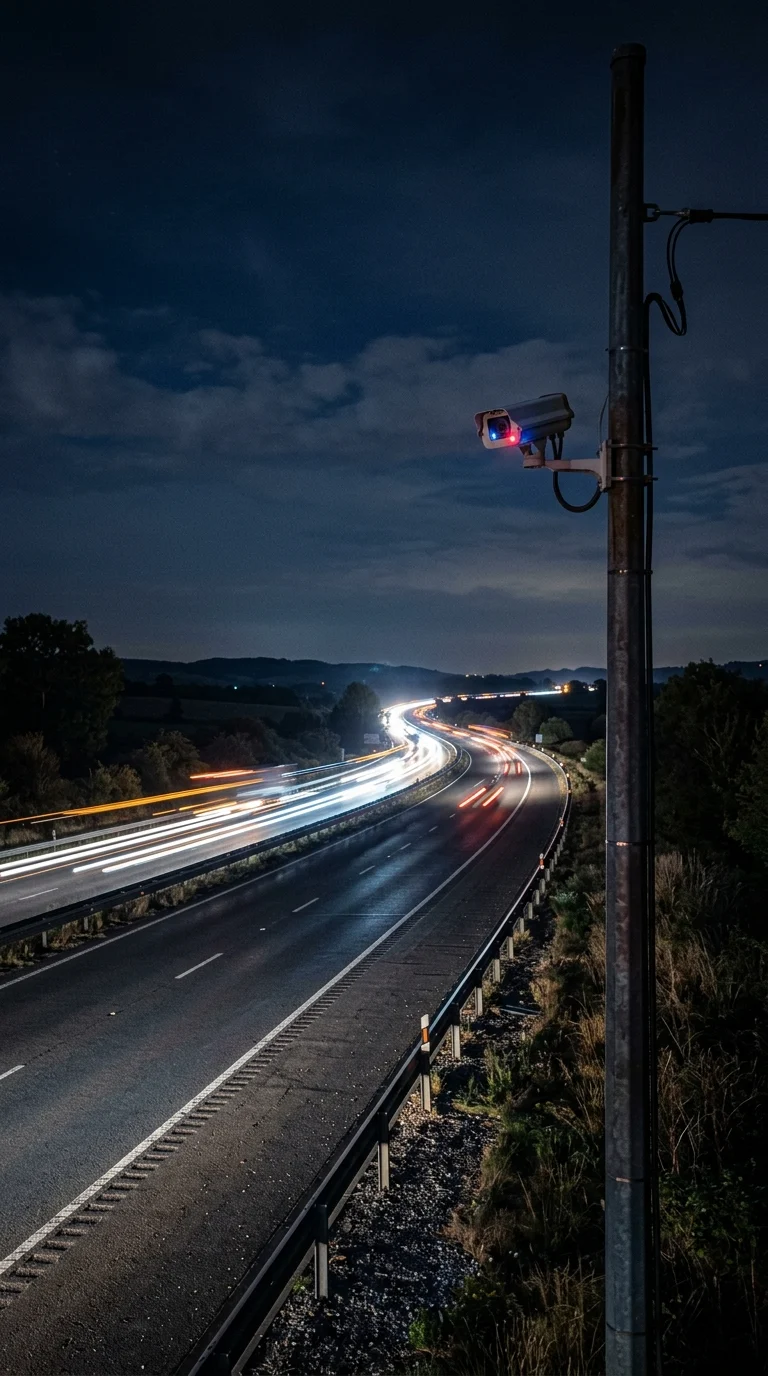
For years, Leonardo has sold a product called ELSAG — a line of automatic license plate readers (ALPRs) used by police departments, retailers, and municipalities across all 50 US states. SignalTrace is built on top of that existing ELSAG infrastructure.
What Exactly Is SignalTrace?
SignalTrace is described by Leonardo itself as an “advanced signal intelligence system” designed for law enforcement. But what does that actually mean in simple terms?
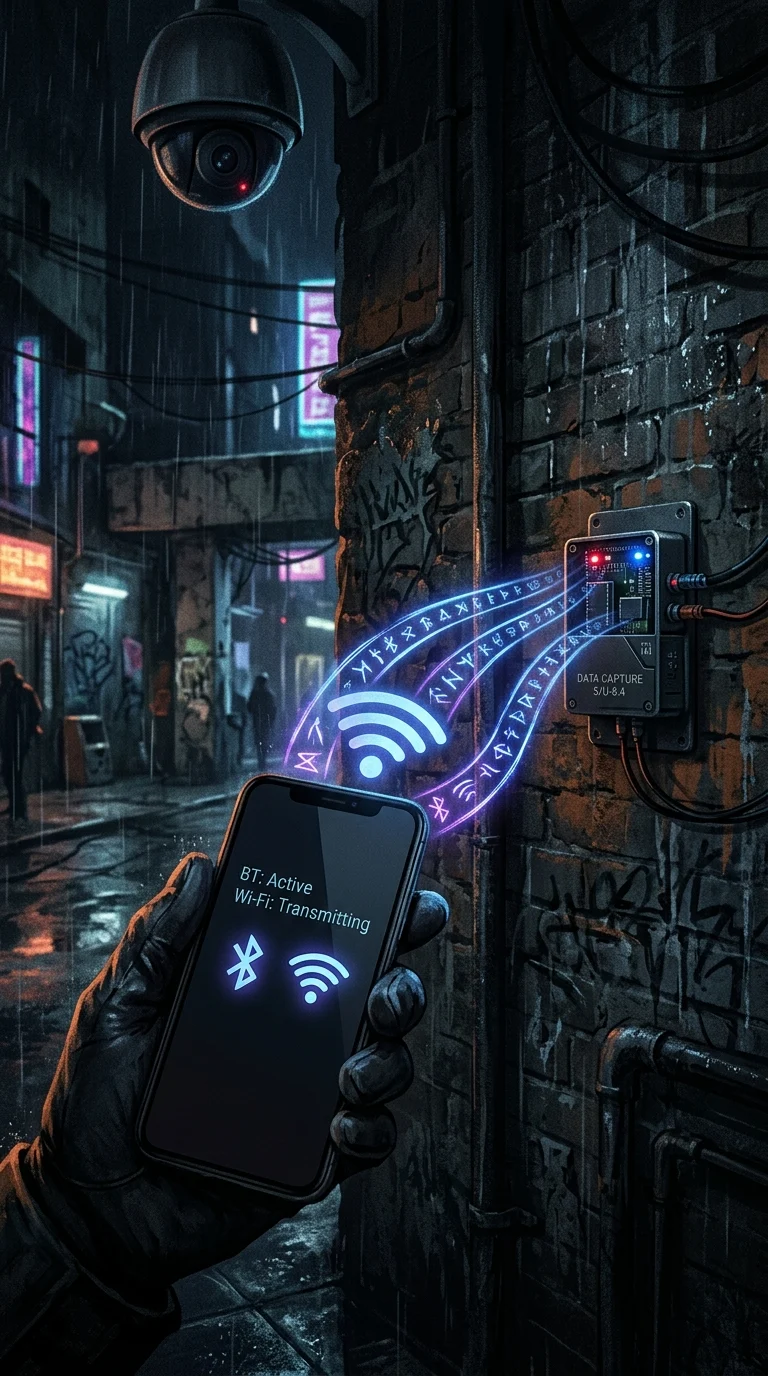
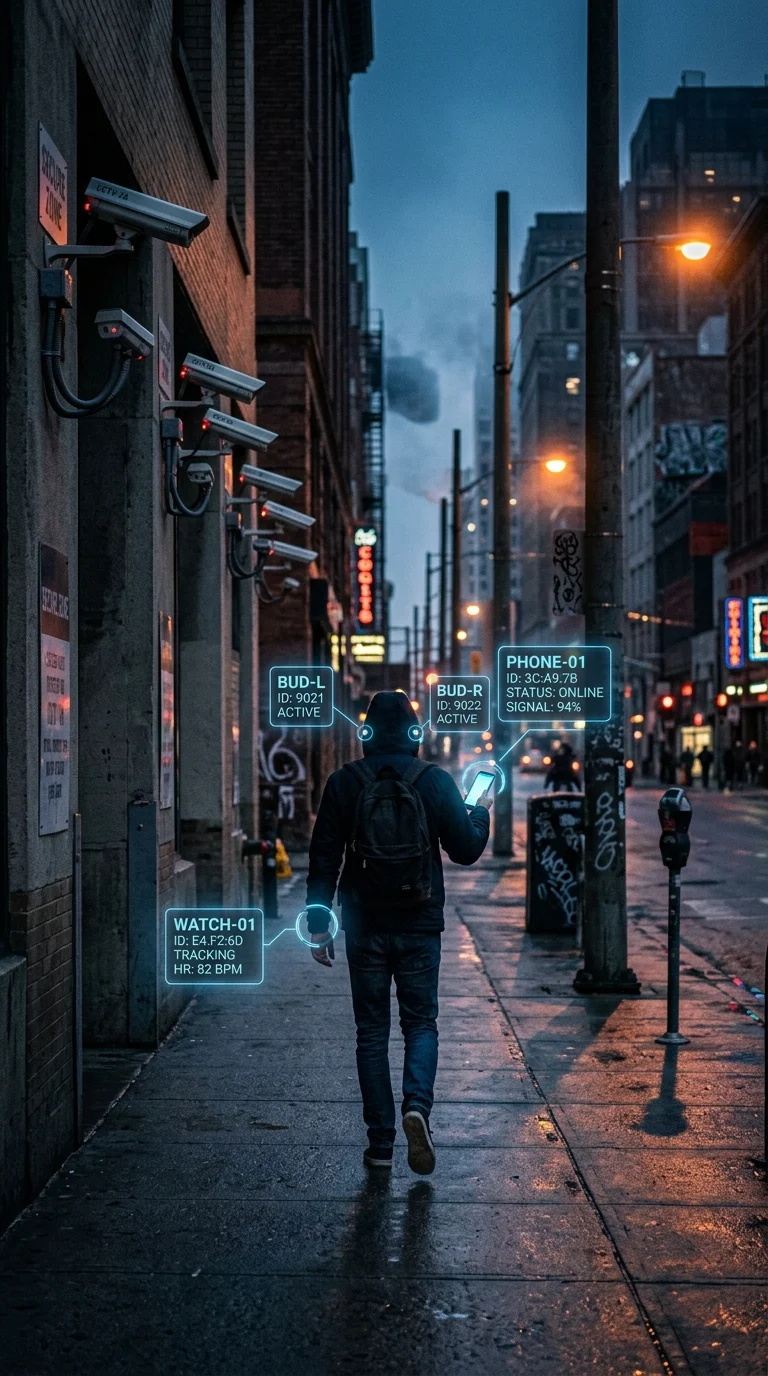
Think of it this way: your phone is constantly broadcasting a signal, even when you’re not actively using it. Your Bluetooth headphones are doing the same. So is your smartwatch, your fitness tracker, your car’s built-in Wi-Fi hotspot, and even the tire pressure sensors in your wheels.
Every one of these devices has a unique identifier — a kind of digital fingerprint. Normally, these signals just float out into the air and nobody pays attention to them. SignalTrace changes that. It places sensors near existing license plate cameras that capture those identifiers as your car drives by — and then ties them to your license plate number and the exact time and location of the pass.
The result is a detailed record that says: “This car, with this plate, carrying these specific devices, passed this location at this exact time.”
And because those device identifiers are unique to your phone, your earbuds, your watch — they’re unique to you, not just your car. That’s the significant shift here. It moves from tracking vehicles to tracking people.
What Signals Can SignalTrace Actually Collect?
This is where it gets surprisingly broad. According to Leonardo’s own product sheet, SignalTrace can detect and log signals from:
- Mobile phones — your iPhone, Android, or any other smartphone
- Bluetooth wearables — smartwatches, fitness trackers like Fitbit or Garmin, wireless earbuds like AirPods
- Vehicle components — your car’s infotainment system, built-in Wi-Fi hotspot, tire pressure monitoring sensors
- RFID tags — key cards, access badges, even pet microchips
- Laptops and tablets — anything connected via Bluetooth or Wi-Fi
- Asset tags and luggage tags — yes, even tracking tags like AirTags or similar
To be clear, Leonardo says the system does not read the content of your communications — it’s not intercepting your messages or listening to calls. What it collects are the unique identifier codes that your devices broadcast passively. But those identifiers, when linked to your plate and location over time, tell a very detailed story about where you go and who you’re with.
The company calls this an “electronic fingerprint.”
How Does the “Electronic Fingerprint” Actually Work?
Here’s the clever — and concerning — part of how SignalTrace builds its profiles.
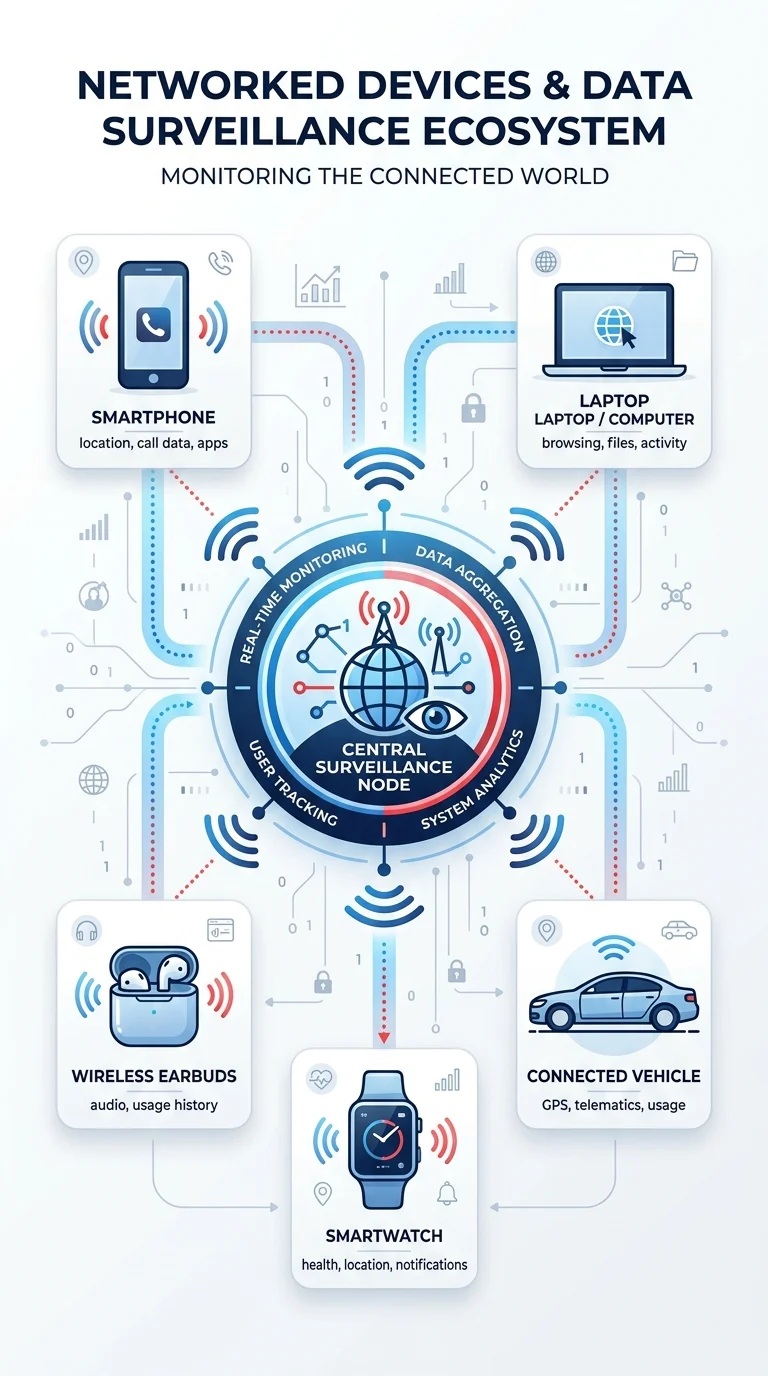
When you pass a SignalTrace-equipped camera multiple times, the system notices that the same group of devices keeps appearing together with the same car. Over time, it links those devices to that specific vehicle. So even if you change your license plate, swap your car, or drive a rental — if you have the same phone and the same smartwatch, the system can still recognize you by your device combination.
The company’s own materials describe it as revealing “signatures frequently travelling together with an individual or vehicle, which can lead to the discovery of convoys and other movement and travel patterns.”
All of this data is stored in what Leonardo calls the Enterprise Operations Center (EOC) — a centralized data management system where agencies can run queries, search historical records, and set alerts for specific device signatures.
In other words, if an investigator knows your phone’s Bluetooth identifier, they can search the database and pull up every time and place that identifier was detected — building a timeline of your movements going back as far as the data retention policy allows.
Where Is SignalTrace Being Deployed?
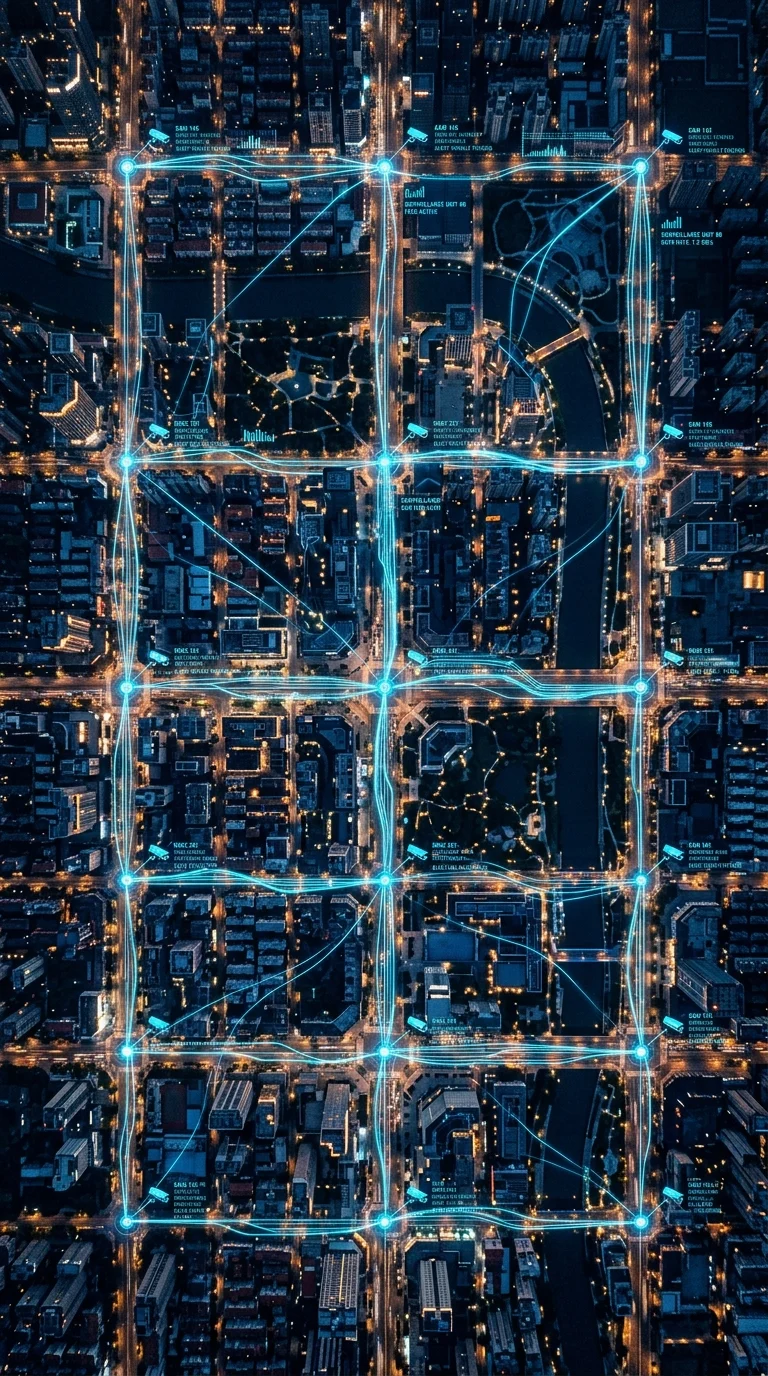
Leonardo markets SignalTrace primarily to law enforcement agencies, but the company has also pitched it directly to the retail sector as a tool for combating organized retail crime.
On its website, Leonardo specifically mentions deployment in:
- Highways and road intersections — the core ALPR use case, now extended with device tracking
- Parking lots — to monitor vehicle movements and flag suspicious activity
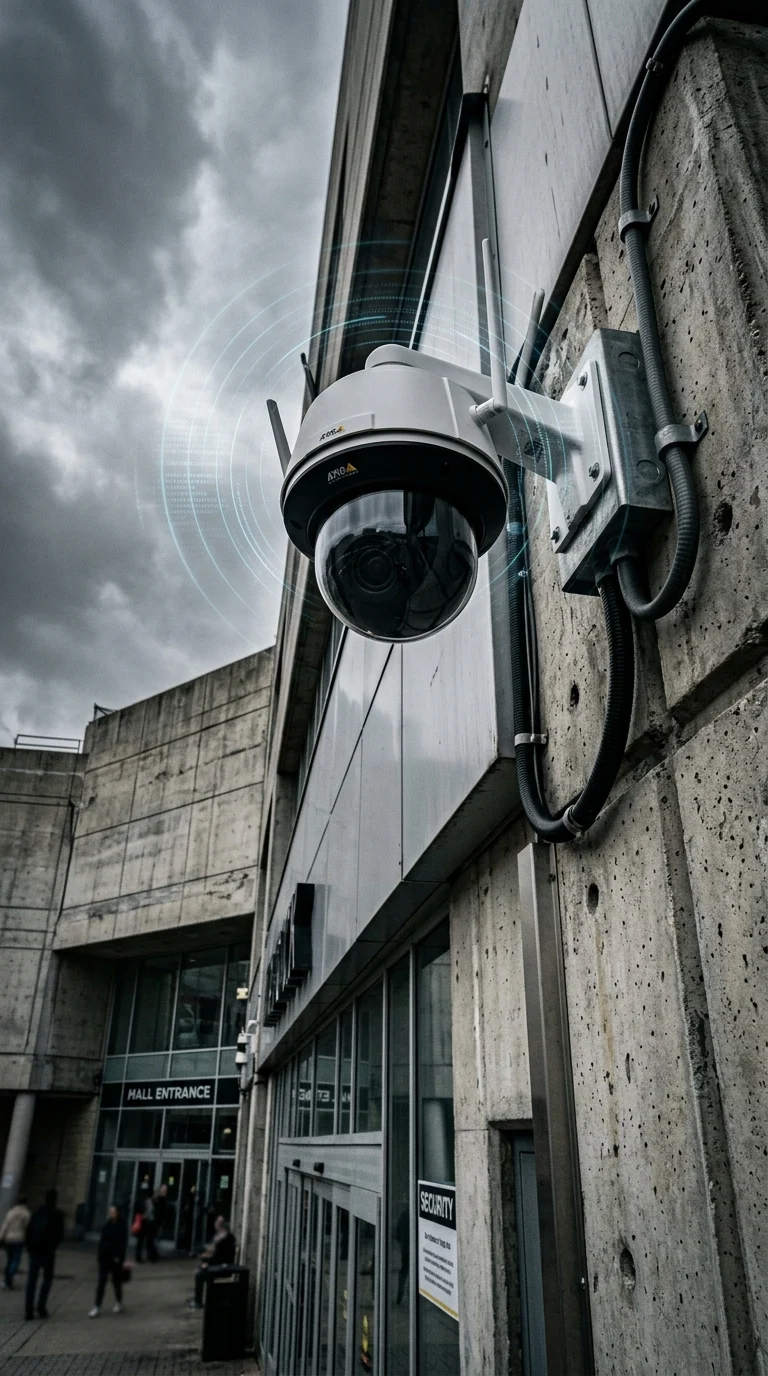
- Shopping malls and retail stores — to track and identify individuals involved in theft rings
- Subways and off-road areas — Leonardo notes SignalTrace works even without a license plate reader at every site, giving it flexibility in locations where cameras aren’t feasible
The existing ELSAG camera network already covers all 50 US states, which means the infrastructure to deploy SignalTrace at scale is already in place. No new camera installations needed — just sensor upgrades to cameras that are already there.
As of mid-2026, no specific agencies or deployment timelines have been publicly named. But the procurement pathways through GSA and US Special Operations Command contracts make it easier for federal and law enforcement agencies to adopt the technology without a traditional public review process.
Is This Legal? Here’s the Uncomfortable Answer
This is the part most people find surprising: in most of the United States, yes — it appears to be legal. At least for now.
There is currently no federal law that explicitly prohibits law enforcement from passively collecting Bluetooth or Wi-Fi identifiers from devices in public spaces. The legal argument on Leonardo’s side is straightforward: your devices are broadcasting these signals openly into the air. You’re in a public space. There’s no reasonable expectation of privacy for a signal you’re voluntarily emitting.
Courts have generally applied similar reasoning to license plate data — if your plate is visible in public, capturing it isn’t considered a search under the Fourth Amendment. Companies like Leonardo argue the same logic applies to device signals.
However, legal experts and privacy advocates point out that this reasoning has limits. The US Supreme Court ruled in Carpenter v. United States (2018) that long-term location tracking does require a warrant, even when the data comes from third-party sources. SignalTrace’s ability to build historical movement profiles could fall under similar scrutiny — but that legal battle hasn’t been fought yet.
The current situation by state:
- Some states have passed laws requiring ALPR data to be deleted after a set period
- Others allow indefinite data retention
- No state has yet passed specific legislation governing Bluetooth or Wi-Fi identifier collection via roadside sensors
So the short answer is: this is operating in a legal grey zone, and the rules are likely to be tested in courts over the coming years.

Why Are Privacy Advocates So Concerned?
The core concern isn’t really about catching criminals — it’s about what happens to the data on everyone else.
SignalTrace doesn’t only scan cars that are under investigation. It scans every single car that passes a sensor. All of that data gets stored. All of it can be queried later. That means:
- A journalist driving to meet a confidential source could have their phone linked to that source’s car in a permanent database
- A patient visiting a sensitive medical clinic could have their movements logged, retained, and potentially accessible to parties beyond the investigating agency
- A protester or political activist attending a rally could have their presence there documented via device tracking — even without a face being captured
- Your social connections could be inferred from which devices consistently travel near yours
The American Civil Liberties Union (ACLU) has called for strict limits on tools like this. The concern is that each individual data point — a plate scan here, a Bluetooth ping there — looks small and harmless in isolation. But the power of SignalTrace is in connecting all of those dots into a rich, searchable profile. That aggregation is what creates the surveillance risk.
And there’s another practical worry: data breaches. All of this data sitting in a centralized server is a target. Leonardo says agencies control their own data and the company itself cannot access it. But centralized databases of sensitive location and identity data have a long history of being compromised.
What Does Leonardo Say in Its Defense?
To be fair, Leonardo has responded to some of these concerns, at least on paper. Here’s what the company says:
- No content is read: SignalTrace collects identifiers, not the actual content of communications. Your messages, calls, and data are not being intercepted.
- Data belongs to the agency: Leonardo says it has no access to the data collected by its clients. The agency owns it, controls it, and decides what to do with it.
- Compliance with local and federal guidelines: Leonardo says its systems are designed to meet regulatory requirements and that it supports agencies in ensuring legal compliance.
- Investigation-only access: The system is designed so that stored data is only queried when a specific investigative request is made — it’s not being browsed freely.
- Strict data security: Leonardo claims multi-level access controls, user auditing, and transparent logging of who accesses what data.
Whether those assurances are enough is a question that regulators, courts, and the public will ultimately have to answer. The concern from critics is that good intentions in the product design don’t prevent misuse once the data exists and is retained at scale.
Can You Do Anything to Protect Yourself?
This is the question most people ask — and the honest answer is that your options are limited, but not zero.
Things you can actually do:
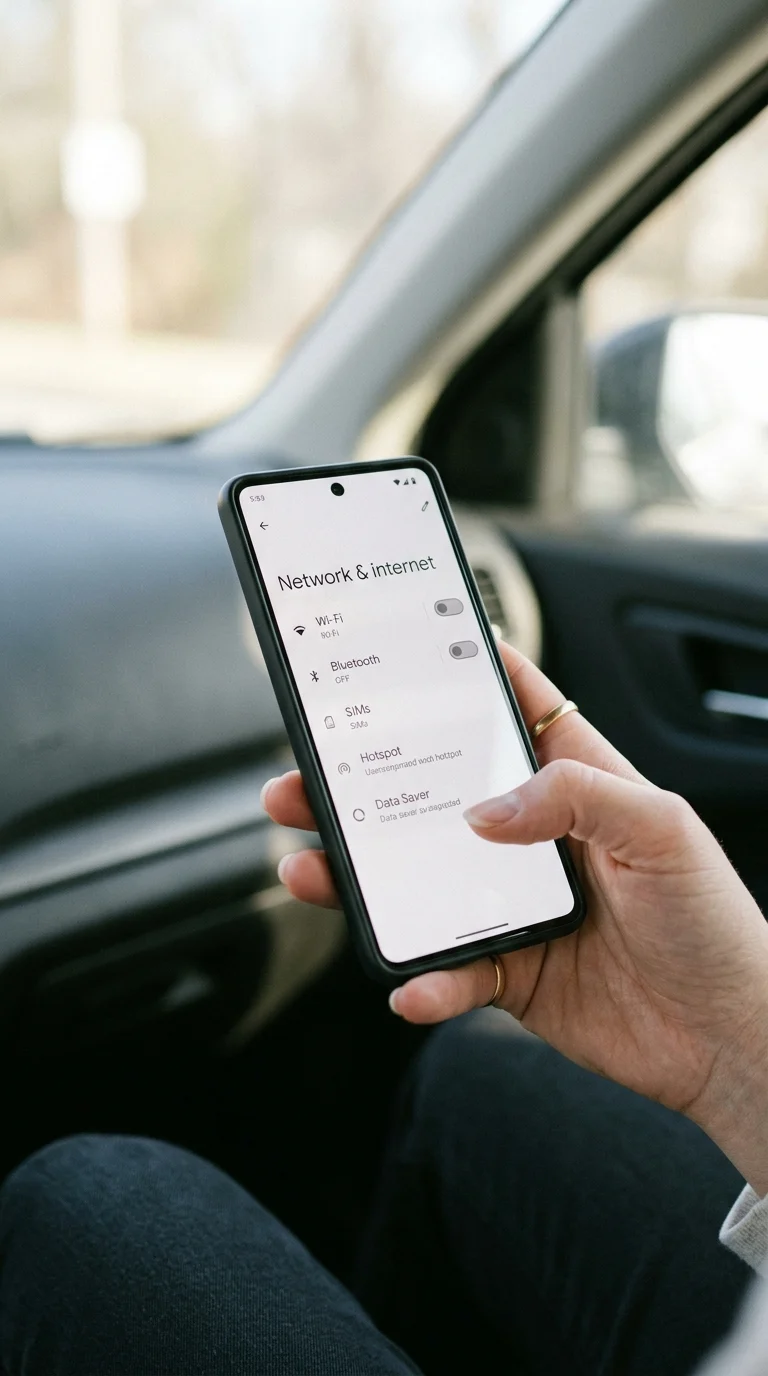
- Turn off Bluetooth when you’re not using it. If your phone’s Bluetooth is off, it’s not broadcasting an identifier that can be captured. This is the single most effective step you can take.
- Disable Wi-Fi when not connected to a network. Similarly, your phone scans for Wi-Fi networks and broadcasts signals in the process. Turning it off removes that data point.
- Keep your phone in airplane mode when driving, if privacy is a concern for a particular trip. This disables all wireless signals.
- Be aware of randomized MAC addresses. Modern iPhones and newer Android phones do randomize their Bluetooth MAC addresses periodically as a privacy feature. However, research has shown that sophisticated tracking systems can still link devices over time through behavioral patterns and signal fingerprinting.
Things that won’t help much:
- Turning off location services on your phone does not stop Bluetooth or Wi-Fi signals from being emitted
- Switching to a VPN doesn’t affect Bluetooth or radio signal broadcasts
- There is no “opt out” mechanism — the sensors don’t ask for permission
The broader solution, if there is one, will have to come through legislation and legal challenges — not individual technical workarounds.
The Bigger Picture: This Is a Turning Point
What makes SignalTrace significant isn’t just the technology itself — it’s what it represents about where surveillance infrastructure is heading.
For years, license plate readers were a single-purpose tool: track vehicles. They were controversial enough on their own. But SignalTrace shows that the same physical infrastructure — the poles, the cameras, the power supply, the network connections — can be incrementally upgraded to do far more.
Security experts and analysts have noted that once SignalTrace becomes a standard feature of one ALPR vendor, competitors will likely follow. Companies like Axon and Motorola Solutions, which also make license plate readers, may face pressure to add similar device-correlation capabilities to their own product lines to remain competitive.
We’re moving from a world where surveillance systems track things — cars, objects — to one where they track people, identified by the collection of devices they carry. And the transition is happening quietly, through incremental product upgrades, not dramatic new camera installations.
The next few years will likely see significant legal battles over where the line gets drawn — between legitimate law enforcement capability and mass surveillance of an entire population that hasn’t done anything wrong.
Final Thoughts
SignalTrace isn’t a hypothetical future technology. It’s a marketed, commercially available product from a multi-billion dollar company with existing government contracts. It’s designed to be added to cameras that are already out there on streets, highways, and parking lots across the United States.
Most people driving past one of these cameras have no idea this is happening. That’s what makes it worth knowing about — not to create panic, but because informed people make better decisions about how they use their devices, which laws they support, and what they ask their representatives to do.
The debate about how much surveillance is acceptable in a public space is one that societies have had before, and will continue to have. SignalTrace is just the latest — and probably not the last — example of how technology keeps moving faster than the laws designed to govern it.
If you found this helpful, share it with someone who still thinks surveillance technology only affects people in movies.