 Vipin PG
Workholding equipment is a critical part of any CNC machining setup. A machine may have excellent accuracy and cutting capability, but consistent results still depend on keeping the workpiece secure and correctly positioned throughout each operation. For shops performing milling, drilling, finishing, or production work, choosing durable and precise workholding can help improve repeatability while reducing unnecessary setup adjustments.
The right workholding equipment depends on the machine, workpiece geometry, material, required tolerances, and production volume. Standard vises may be appropriate for many straightforward jobs, while more complicated parts may require specialized fixtures or a self centering vice that helps maintain a consistent center position as the jaws close around the workpiece.
Durability also matters because CNC workholding equipment is repeatedly exposed to cutting forces, chips, coolant, and frequent clamping cycles. Equipment that maintains its alignment and gripping performance through repeated use can provide greater consistency from one setup to the next.
When purchasing workholding equipment, machinists should look beyond price alone. Rigidity, accuracy, jaw design, clamping range, mounting compatibility, and ease of setup can all affect how effectively a fixture performs in a real machining environment.
How the Right CNC Drill Can Improve Cycle Times
Drilling is one of the most common operations performed on CNC machines, and even small improvements in drilling efficiency can have a noticeable impact on overall cycle time. Selecting the correct drilling tool is important, but the workholding and surrounding tooling setup must also provide enough stability for the drill to perform consistently.
A poorly secured workpiece can move or vibrate as the drill enters the material. This may affect hole location, dimensional accuracy, tool life, and surface quality. Stable workholding helps keep the part in position so the machine can follow the programmed toolpath without unnecessary movement.
Tool selection should begin with the material and hole requirements. Hole diameter, depth, tolerance, surface finish, and whether the operation involves a through-hole or blind hole can all influence which cutting tool is appropriate. Different materials may also require different geometries, coatings, speeds, and feeds.
Machinists should consider tool length carefully. A drill that extends farther than necessary from the holder can be more susceptible to deflection and vibration. Using the shortest practical tool while maintaining required clearance can improve rigidity and support more predictable cutting.
Chip evacuation is especially important when producing deeper holes. Chips that remain inside the hole can interfere with cutting, increase heat, or damage the tool. Appropriate drilling cycles, coolant delivery, and cutting parameters can help move chips away from the cutting edge.
The rest of the tooling setup should support these operations as well. Having dependable mill tooling available gives machinists options for drilling, milling, profiling, chamfering, finishing, and other processes that may be required to complete a part.
Reducing unnecessary tool changes can help improve cycle time too. Shops can plan operations so frequently used tools remain available in the machine's tool changer and organize programs to limit unnecessary movement. This is especially valuable when producing large quantities of the same component.
Workholding can have an equally significant influence on cycle time. If an operator needs several minutes to indicate, reposition, or align every workpiece, those minutes add up quickly across a production run. Fixtures designed for repeat loading can make each setup faster and more predictable.
Consistent locating surfaces, stops, jaws, and fixture positions allow the next blank to be installed in approximately the same position as the previous one. This can reduce the amount of manual adjustment required between parts.
Another consideration is the number of setups necessary to finish a component. Workholding that provides access to multiple sides of the part may allow additional operations to be completed without removing and repositioning it. Fewer setups can reduce handling time and limit opportunities for alignment errors.
Durable Workholding Equipment for Demanding CNC Jobs
Demanding machining applications require workholding that can resist cutting forces while maintaining accurate part positioning. Heavy roughing, harder materials, and long production runs can place significant stress on vises, jaws, fixture plates, and mounting hardware.
Rigidity should therefore be one of the first considerations when comparing workholding equipment. A rigid fixture helps prevent unwanted movement and vibration during machining. Greater stability can contribute to improved surface finishes, longer tool life, and more predictable dimensions.
Clamping force is also important, but more force is not always better. Thin-wall parts and softer materials may distort if they are clamped too aggressively. The goal is to use enough force to prevent movement without altering the geometry of the workpiece.
Jaw selection can help achieve this balance. Standard hardened jaws may be appropriate for general applications, while machinable soft jaws can be shaped to match a particular component. Creating a larger contact area can help distribute clamping forces and provide additional support for irregular shapes.
Machine compatibility should always be verified before purchasing workholding. Table dimensions, mounting patterns, available machine travel, spindle clearance, and fixture height can determine whether a product will work effectively with a particular CNC machine.
Accessibility matters too. A large fixture may grip a component securely but block the cutting tool from reaching important features. Machinists should consider the complete machining process, including where tools will approach the part and whether additional sides must be accessed.
Precision workholding also needs to be installed correctly. Chips or burrs beneath a vise or fixture can introduce small positioning errors. Cleaning the machine table and locating surfaces before installation can help establish a more accurate foundation.
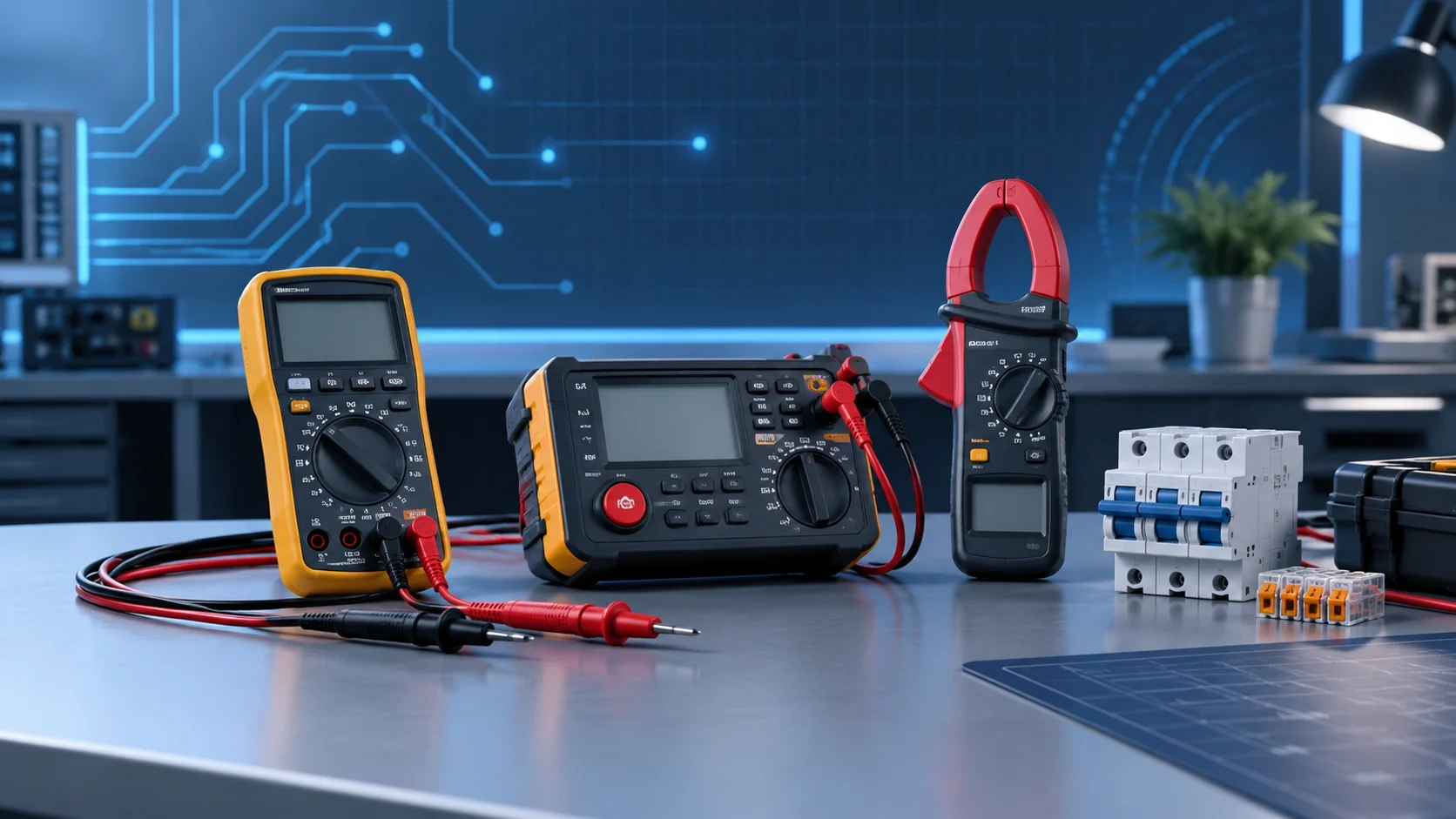
Once equipment is mounted, alignment should be checked rather than assumed. Machinists may use indicators and other inspection tools to confirm that a vise or fixture is positioned correctly relative to the machine axes.
Finished features also need to be measured throughout production. For internal dimensions such as machined bores, a bore gauge can help machinists check diameter and detect small dimensional changes during a production run. Regular inspection makes it easier to identify tool wear or process variation before a large number of parts are completed.
Maintenance can help preserve workholding accuracy over time. Chips should be removed from moving surfaces, jaws and locating features should be kept clean, and mounting hardware should be inspected periodically. Damaged threads, worn jaws, or loose fasteners can gradually reduce the repeatability of an otherwise dependable setup.
Shops can also benefit from standardizing frequently used workholding equipment. Using familiar vise styles, fixture systems, and mounting methods can simplify setups and reduce the amount of time operators spend adapting to different systems.
For high-volume jobs, repeatability is particularly valuable. A workholding solution that allows operators to quickly remove a completed part and load the next blank in the same position can contribute to shorter setup times and more consistent production.
Conclusion
Durable and precise CNC workholding equipment should provide a combination of rigidity, repeatability, appropriate clamping force, and compatibility with the machine and workpiece. The best purchasing decision depends on the type of machining being performed rather than simply choosing the largest or most expensive fixture available.
Machinists should consider the complete setup, including cutting tools, workpiece accessibility, locating surfaces, inspection requirements, and the number of setups necessary to complete a part. Reliable workholding can help drilling and milling tools operate under more stable conditions while reducing unnecessary adjustments between workpieces.
By choosing equipment that matches the application, verifying alignment, maintaining clean locating surfaces, and checking finished dimensions regularly, CNC shops can create more consistent machining processes. A well-planned combination of workholding, cutting tools, and inspection equipment can support both productivity and precision during demanding CNC jobs.