
 Vipin PG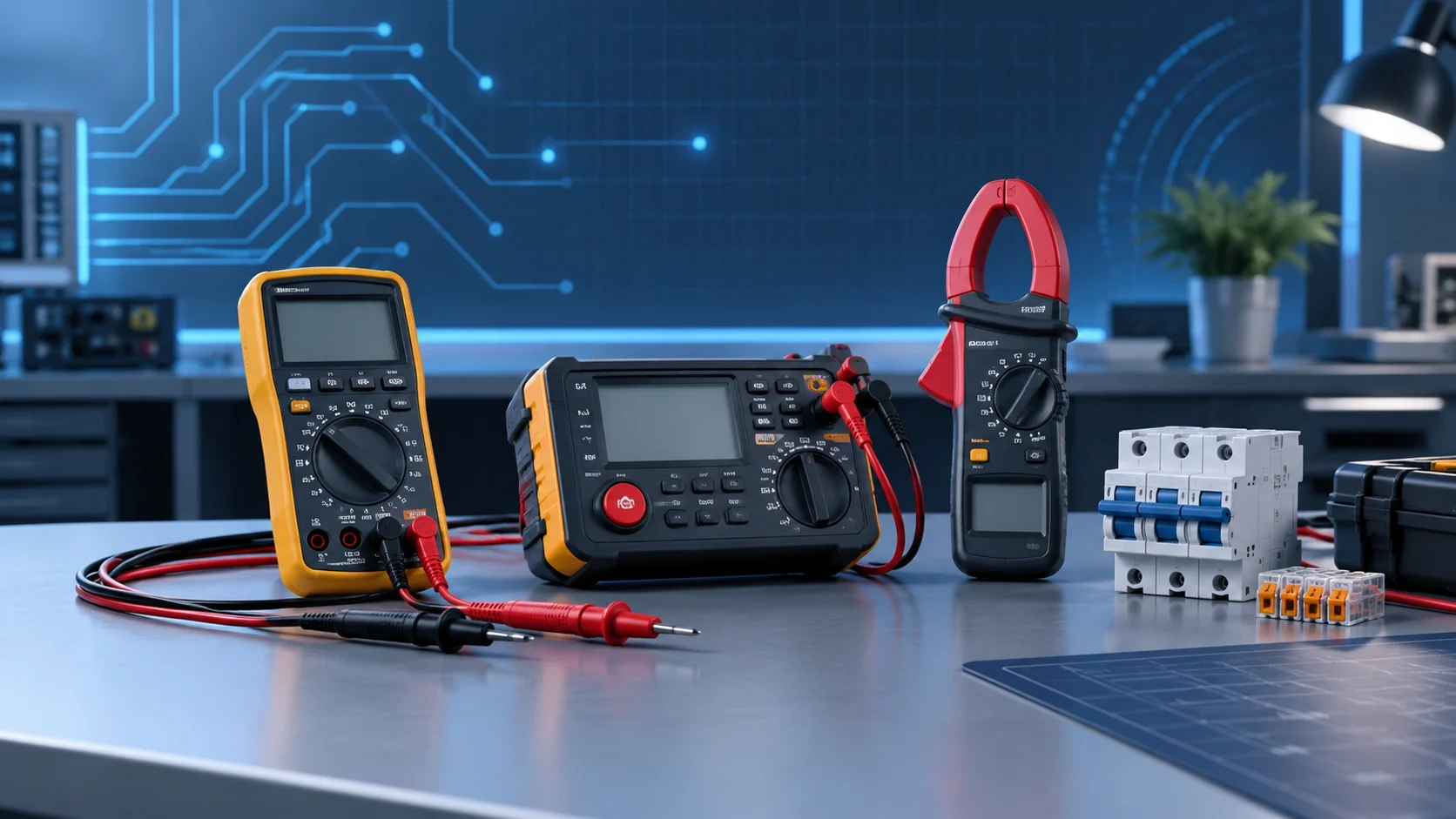
Investing in the most suitable electrical measurement solutions will always be important for electricians, engineers, technicians, and maintenance professionals working across the UK and for that matter, the wider world.
Well-chosen electrical testing instruments such as multimeters, clamp meters, insulation testers, and oscilloscopes can help with measuring electrical parameters, diagnosing faults, and verifying circuit conditions.
However, it is also inevitably true that different applications call for different capabilities, which may not all be delivered by a single instrument. Certainly, a prospective buyer cannot depend on simply selecting the device with the largest number of features.
Here, then, are some of the main factors that the would-be purchasers of electrical testing tools will need to consider as they narrow down their options.
What Needs to Be Measured
It might seem almost "too obvious" a point to make, but the first stage of searching for and deciding on a particular electrical testing device isn't looking at specific models. It is, instead, establishing what measurements the chosen equipment will be needed for.
A basic digital multimeter might be sufficient for measurements involving AC and DC voltage, current, resistance, continuity, and diode testing. However, there are also more advanced instruments on the market that can provide such additional functions as capacitance, frequency, and temperature measurement.
The professional who is seeking to buy an electrical measurement tool, then, will need to consider the typical jobs it is likely to be used for. They will also need to ask themselves whether these requirements are likely to change in the future.
Accuracy And Resolution
These two terms in relation to electrical testing equipment can be easily misunderstood. They are, though, important factors for a technician or engineer to think about when comparing different models from leading suppliers.
The accuracy specification indicates how close a given instrument's measurement should be to the true value under specified conditions. Meanwhile, the resolution is the smallest change in the measured quantity that the instrument can display.
The purposes for which the tool will be used will largely determine the appropriate accuracy level. If, for instance, the device will primarily be used for routine fault finding, the required measurement performance might not need to be as demanding as it would be for laboratory testing, electronics development, or precision calibration work.
The Measurement Range
Whatever instrument is ultimately chosen, it will need to be capable of measuring the values encountered in the intended application.
When, for example, an electrician or maintenance professional is looking at a particular multimeter model, they will need to check its voltage and current measurement ranges, alongside its resistance and other measurement ranges and the instrument's applicable safety ratings.
An electrical testing tool should not be chosen solely based on the nominal voltage of the equipment that is to be tested.
Safety Ratings
Safety is one of the most critical aspects for any professional to consider as they narrow down the possibilities open to them for electrical testing equipment.
The UK Health and Safety Executive (HSE) provides GS38 guidance, covering electrical test instruments used on low-voltage systems. This documentation also sets out recommendations concerning the selection and use of equipment.
When deciding on equipment for electrical testing, users should consider the tool's measurement category (such as CAT II, CAT III, or CAT IV) alongside its voltage rating. The appropriate category depends on the electrical environment and the point in the installation where measurements will be made.
Test leads, probes, and other accessories must also be suitable for the intended measurement environment.
The Working Environment
Elaborating on the topic of where the electrical measurement tool will be used, it is crucial to acknowledge that a workshop, laboratory, and industrial site can vary considerably in the conditions they present.
If, for instance, a given engineer or technician works in an especially demanding environment, they may need to ensure their chosen instrument will be able to withstand knocks, dust, moisture, temperature shifts, and/or frequent transportation.
Depending on the application, such features as a clear display, backlighting, automatic ranging, robust construction, and accessible controls might all be worthwhile.
Conclusion: Making The Right Choice of Electrical Measuring Device
There is, of course, no single piece of electrical testing equipment that will be the right fit for every single application.
So, the best choice for any given engineering, electrical, or maintenance professional will hinge on such aspects as the measurements required, the electrical environment, safety considerations, and accuracy requirements.
By considering all these elements, individuals and organisations alike can make more informed decisions and select electrical measurement instruments that represent the best match for their day-to-day needs.