 Vipin PG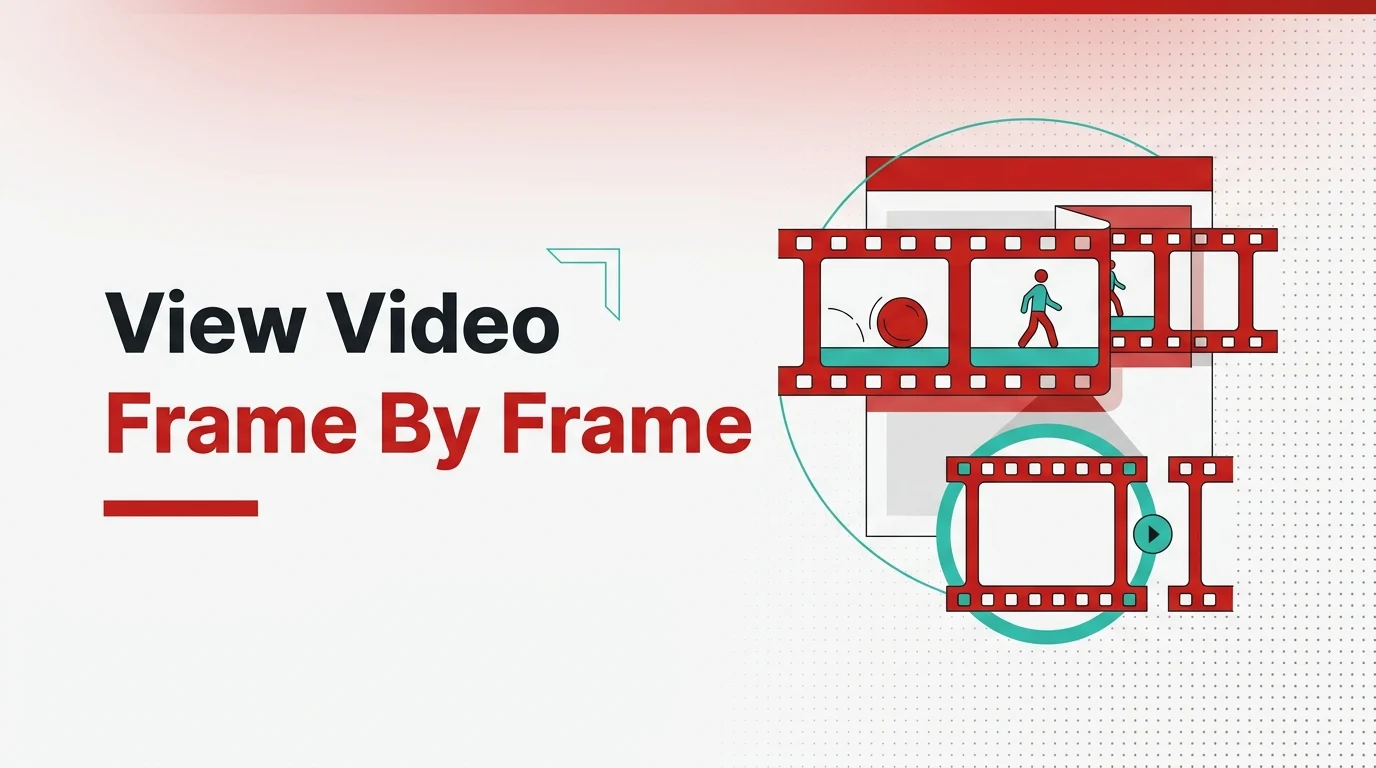
Sometimes you don’t need to watch a whole clip. You need one exact moment: the frame where a subtitle disappears, the instant a player touches the ball, or the cleanest still before motion blur kicks in. That’s where VLC’s frame stepping becomes useful. VLC can do this without plugins, editing software, or a special build. The catch is that the feature is a little hidden, and many people expect it to behave like a full video editor. It doesn’t. Once you know what it can and can’t do, it becomes much easier to use.
The fastest way to move one frame at a time
The quickest method is the built-in Next frame command. Open your video in VLC, move close to the point you want, then press E on your keyboard. VLC will pause playback and advance the video by exactly one frame each time you press it. On most systems, this is still the default mapping for frame stepping. If nothing happens when you press E, the hotkey may have been changed. In that case, open VLC preferences and search the hotkeys list for Next frame. This is the same part of VLC where many people remap playback controls to match their own keyboard layout.
Ways to use frame stepping in VLC
Method 1: Use the keyboard shortcut
This is the method most people stick with because it’s the fastest. Play the video, pause near the scene you want, then tap E repeatedly until you land on the exact frame. If you’re reviewing action footage, subtitles, or animation timing, keyboard stepping is much easier than trying to drag the timeline with a mouse. It also works well with VLC’s normal seek shortcuts. You can jump forward or backward by a few seconds, then switch to single-frame stepping for the final adjustment. That combination is usually faster than scrubbing the timeline for long videos.
Method 2: Turn on the frame-by-frame button
If you prefer clicking instead of using the keyboard, enable VLC’s extra playback buttons. Go to View > Advanced Controls. VLC will show an additional control row above the main playback bar. From there, use the frame-step button to move through the video one frame at a time. If that button isn’t where you want it, VLC lets you rearrange the toolbar. Open Tools > Customize Interface and add the frame-step control where it’s easier to reach. That’s also a good time to keep other useful buttons visible, especially if you already use VLC for things like quick conversions covered in this VLC conversion guide.
What VLC frame-by-frame can and can’t do
Data last verified: April 2026
| Task | What VLC Does | What to Expect in Practice |
|---|---|---|
| Move forward by one frame | Yes | Use the Next frame command, usually mapped to E |
| Move backward by one frame | No direct built-in control | You need to jump backward roughly, then step forward again |
| Use mouse controls instead of keyboard | Yes | Enable Advanced Controls or place the button through Customize Interface |
| Change the frame-step hotkey | Yes | Edit the Next frame entry in VLC hotkeys |
| Use it like a full editor timeline | Not really | Good for inspection, not ideal for precision editing workflows |
The limitation that trips people up most often is backward navigation. VLC is fine when you need to move forward frame by frame, but it’s not a true bidirectional frame review tool. If you overshoot, the normal workaround is to jump back a little, then tap forward again until you hit the frame you wanted.
How to get to the right frame faster
The easiest approach is to work in two stages. First, get close using VLC’s standard seek controls. Then switch to single-frame stepping only for the final few frames. That saves a lot of time on longer clips. If you do this often, change VLC’s jump sizes in advanced preferences so your backward and forward time jumps are smaller. That makes overshooting less annoying. It’s also handy when you’re trying to capture stills for things like a reverse video search from a clean screenshot.
When the E key doesn’t work
There are a few common reasons. The first is simple: your keyboard focus isn’t really on the player window. Click inside VLC once and try again. The second is that the hotkey was changed earlier, especially on a system where VLC has been customized for media keys or another language layout. The third issue is expectation. Some users press E while the timeline is still moving and assume the feature is broken because playback pauses immediately. That’s normal behavior. VLC stops continuous playback and begins stepping one frame at a time from that point onward.
When VLC is enough and when it’s not
For casual inspection, subtitle timing checks, sports clips, online tutorials, and quick screenshot capture, VLC is usually enough. It’s light, free, and already installed on a lot of systems. That’s one reason it still turns up in roundups like this list of free media players. If you need exact frame-accurate backward review, side-by-side analysis, or editor-style transport controls, a dedicated video editor or analysis player will feel better. VLC is excellent as a player with useful precision tools. It’s not built to replace editing software.
What to do next
Set the Next frame hotkey somewhere comfortable, keep the frame-step button on your toolbar if you use it often, and pair it with shorter jump intervals. That small setup change makes VLC much better for inspection work without changing the lightweight feel that makes it useful in the first place.