 Vipin PG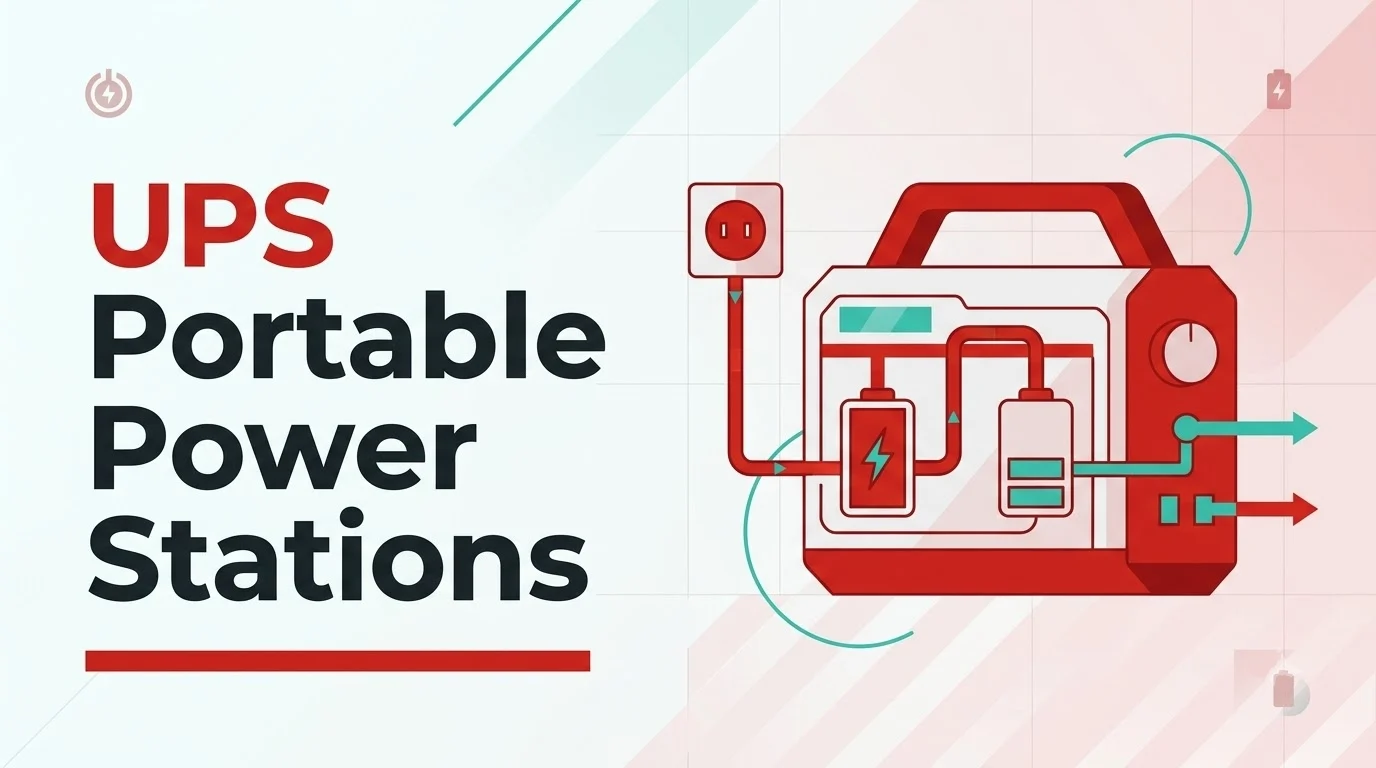
A portable power station with a UPS function can be very useful when you need backup power that reacts quickly to an outage. Unlike a standard battery unit that must be turned on and connected after the power fails, a model with UPS support keeps devices plugged in and automatically switches to battery power when the grid drops. That makes it especially valuable for home offices, internet equipment, and essential electronics that should not shut down unexpectedly. For many households, the UPS feature is less about long-term whole-home backup and more about preventing interruptions, protecting equipment, and keeping critical devices running.
What Is a UPS Function in a Portable Power Station?
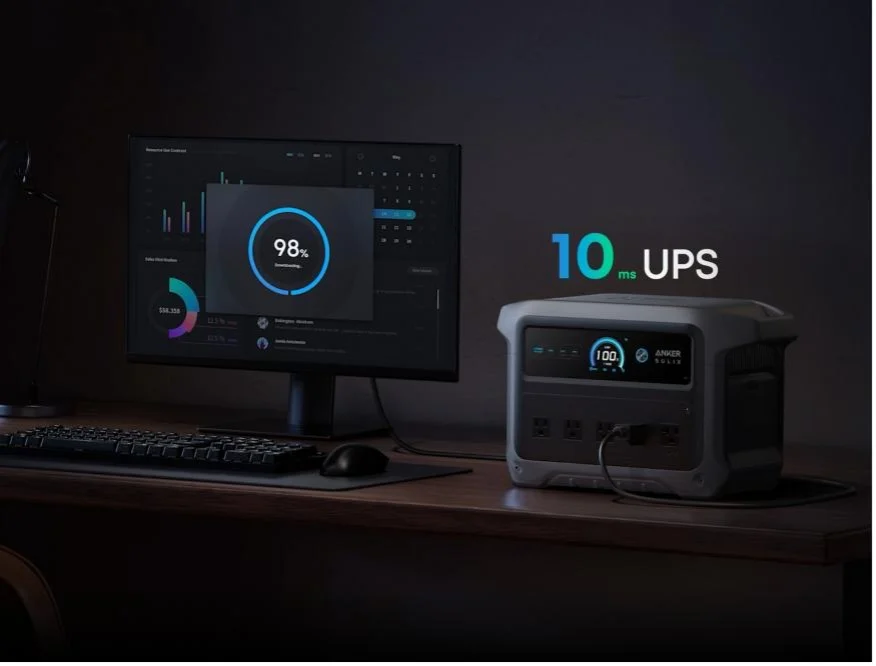
A UPS, or uninterruptible power supply, function allows portable power stations to pass utility power through to connected devices during normal use and then switch to battery power almost instantly during an outage. The goal is to reduce interruption enough that connected electronics continue operating without shutting off. In practical terms, this means you can leave important devices plugged into the power station full time. When power fails, the unit takes over automatically. For example, Anker SOLIX C1000 Gen 2 provides 10ms UPS switching, which is fast enough for many home electronics, networking devices, and workstation setups.
Why UPS Function Matters for Backup Power?
Protecting Computers, Routers, and Sensitive Electronics
Sudden power loss can interrupt work, corrupt files, reset network hardware, and put stress on sensitive electronics. A portable power station with UPS function helps prevent those problems by bridging the gap between grid power and battery power automatically. Desktop computers, monitors, modems, routers, and external drives all benefit from a smoother transition during an outage. Even a short blackout can drop video calls, stop uploads, or force a restart that wastes time. For people who rely on stable connectivity or active computing sessions, UPS capability adds a practical layer of protection that standard backup power alone does not provide.
Maintaining Power During Short Outages
Many outages are brief, but they still cause inconvenience when devices shut down and need to reboot. A UPS function keeps essential electronics running through these short interruptions without requiring manual action. That matters for internet service, security equipment, lighting in key areas, and electronics that take time to restart. Instead of reacting after the outage begins, the power station responds immediately and supports continuity. This is one of the clearest advantages of a portable power station with UPS support: it handles momentary power dips and short blackouts in a way that feels seamless, reducing disruption in daily routines and work.
Improving Emergency Preparedness at Home
A UPS function also strengthens emergency planning because it gives households an automatic first line of backup power. During storms, utility instability, or unexpected grid failures, critical devices can stay on while you decide your next steps. That extra continuity supports communication, access to information, and basic household safety. Rather than scrambling to reconnect devices in the dark, you already have a system in place. For families building a practical resilience strategy, a portable power station with UPS capability fills the gap between everyday convenience and emergency readiness. It supports calm, organized response instead of sudden interruption and confusion.
When Should You Choose a Portable Power Station With UPS?
Home Office and Remote Work Applications
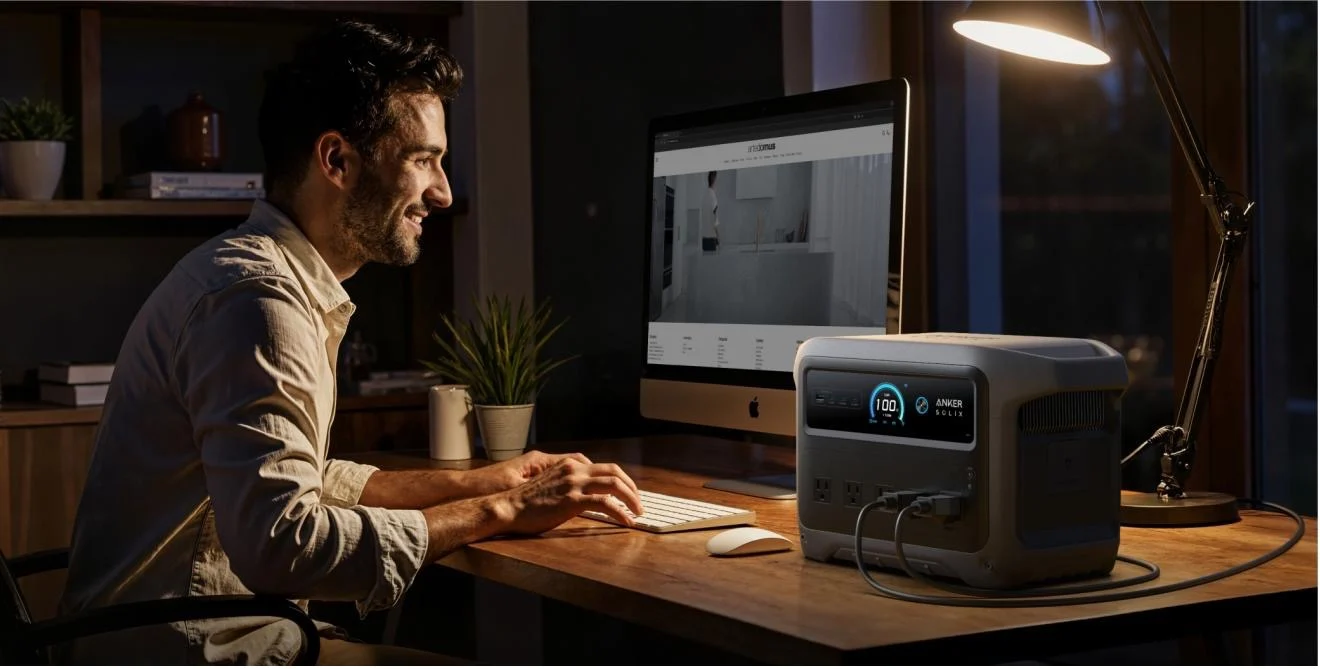
You should choose a portable power station with UPS function if your work depends on stable electricity and internet access. Remote workers often use laptops, monitors, routers, docking stations, and chargers continuously throughout the day. A brief outage can interrupt meetings, disconnect cloud-based work, and cause avoidable downtime. With UPS support, your setup stays powered while the grid drops out, giving you time to continue working or shut down properly if the outage lasts longer. For anyone earning income from home, that continuity is not just convenient. It directly supports productivity, professionalism, and a more reliable work environment.
Medical Devices and Essential Equipment
A portable power station with UPS function is also worth considering for certain essential devices that should not lose power unexpectedly. Equipment such as CPAP machines, communication tools, and other important household electronics can benefit from automatic backup during short outages. The key advantage is immediate continuity without needing someone to reconnect power under stress. For homes that rely on consistent operation overnight or during severe weather, UPS support adds reassurance. It helps maintain routine and reduces risk from sudden interruption. Users should still confirm the power requirements and compatibility of any essential equipment before relying on backup support.
Smart Home and Network System Backup
UPS support makes strong sense if your home depends on connected systems. Smart hubs, Wi-Fi routers, modems, cameras, and alarm equipment often fail the moment power drops, which can leave you without internet access, automation, or security visibility. A portable power station with UPS function helps keep those systems online, especially during short blackouts that would otherwise disable them completely. This is useful for households with app-based controls, remote monitoring, or connected locks and sensors. By maintaining the network backbone, UPS capability protects the usefulness of the wider smart home setup and reduces frustrating resets after power returns.
Conclusion
A portable power station with UPS function is useful, especially for people who need uninterrupted power for work, connectivity, or essential electronics. Its main value is not replacing a full home backup system, but preventing sudden shutdowns and keeping critical devices operating during brief outages. That makes it a practical feature for modern homes with routers, computers, smart devices, and emergency needs. When evaluating options, look closely at switching speed and supported loads. A model such as Anker SOLIX C1000 Gen 2, with 10ms UPS switching, fits that purpose well.