
 Vipin PG
No-perimeter-wire mowers remove the hardest part of traditional robot mower setup: burying or pegging boundary cables around the lawn. Instead, they use virtual maps, positioning systems, cameras, sensors, and app controls to guide mowing. The right model should match your yard size, terrain, obstacles, and daily routine. Before choosing one, compare the features that affect real use, not just the headline technology. Focus on navigation accuracy, slope performance, cutting quality, safety behavior, battery management, and smart control, because these details shape long-term mowing results.
Navigation and Boundary Technology
Compare RTK, vision, VSLAM, and hybrid navigation systems
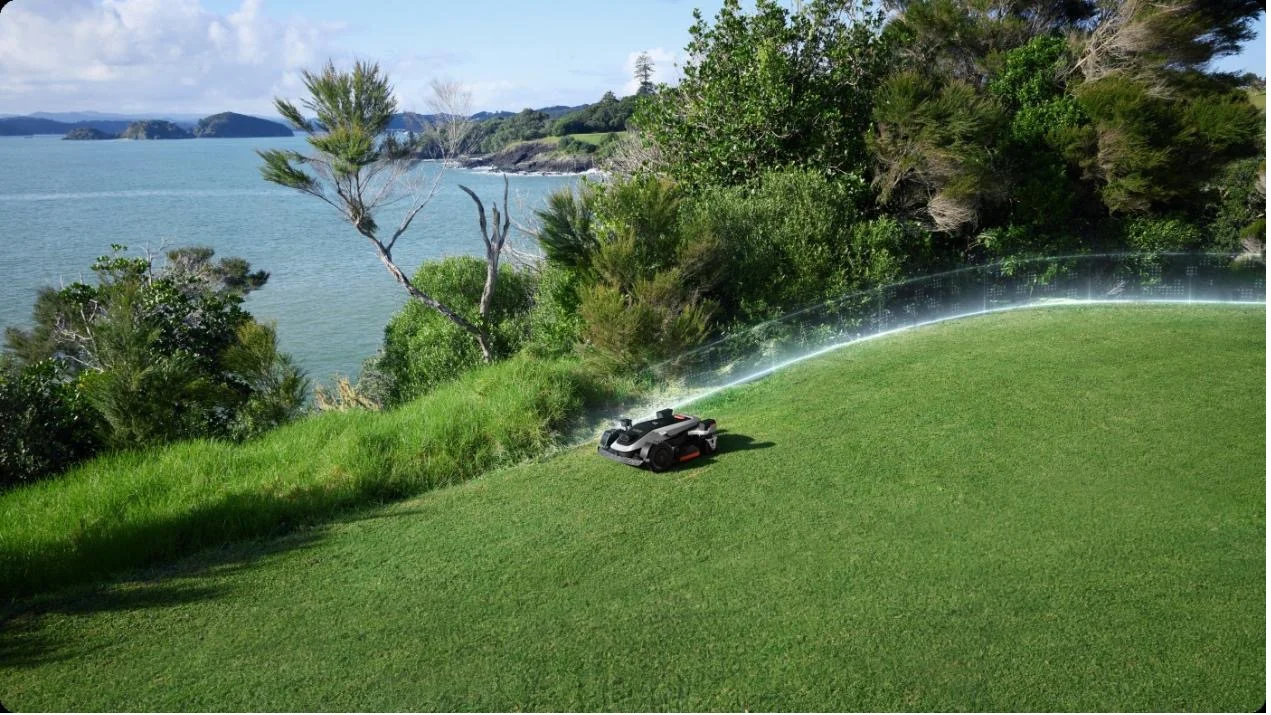
Navigation is the core feature of any mower without perimeter wire. RTK systems use satellite-based positioning and work best with open sky access. Vision systems read lawn edges, objects, and surroundings through cameras. VSLAM helps the mower understand its position by building a visual map as it moves. Hybrid systems combine more than one method, which improves consistency in yards with trees, furniture, curves, and changing light.
Check how virtual boundaries and no-go zones are created
A strong wire-free mower should let you create boundaries directly in the app. Some models ask you to drive or guide the mower around the lawn during setup, while others use mapping tools and automatic learning. Check how easily you can edit edges, split zones, and add no-go areas. A good system should protect flower beds, pools, paths, play areas, and young trees without forcing you to remap the full lawn.
Review accuracy around trees, curves, paths, and tight spaces
Real lawns rarely have perfect rectangles. Trees, curved borders, narrow side yards, stepping paths, furniture, and raised beds all test navigation accuracy. Compare how well the mower follows complex edges and recovers after turning around obstacles. Look for steady movement, clean route planning, and reliable return-to-dock behavior. A precise mower should avoid repeated spinning, random cutting patterns, and missed strips near tricky corners.
Lawn Coverage, Terrain, and Cutting Performance
Match mower coverage to total lawn size and zone layout
Choose coverage based on the full grass area, not just the largest open section. Add the front yard, back yard, side lawns, connecting strips, and separate zones into one total. Then check whether the mower supports multi-zone management. A model sized correctly for your property can mow on a practical schedule, finish cycles on time, and avoid overworking the battery.
Compare slope handling, traction, and all-wheel-drive support
Slope handling matters when lawns include banks, uneven ground, damp grass, or rough patches. Sunseeker Elite models support lawns from around 0.2 acre to 1.5 acre, with all-terrain options for demanding yards. The X5 supports AWD and 60% slope climbing, while X7 series units handle inclines up to 70% / 35°. Rear-wheel steering, strong traction, and cutting widths from 8.7 inch to 13.8 inch help maintain stable mowing.
Review cutting width, cutting height range, and mowing efficiency
Cutting width affects how quickly the mower covers the lawn. A wider deck can reduce mowing time on open grass, while a compact deck may work better around tight passages and detailed landscaping. Also compare cutting height settings. The mower should let you match the blade height to grass type, season, and lawn condition for a cleaner finish.
Smart Control, Safety, and Daily Convenience
Compare app control, scheduling, remote access, and multi-zone management
A good app should make daily mowing simple. With a robot lawn mower without perimeter wire, compare how easily you can set schedules, adjust zones, change cutting height, pause mowing, and send the mower back to charge. Remote access helps when weather changes or guests arrive. Multi-zone controls matter for homes with separate lawn areas, because each space may need a different mowing rhythm.
Check obstacle detection, lift sensors, rain response, and anti-theft features
Safety features should work clearly and consistently. Obstacle detection helps the mower slow, stop, or turn before hitting objects. Lift and tilt sensors stop the blades when the mower leaves the ground. Rain response protects the lawn from rutting and poor cuts during wet conditions. Anti-theft features, such as alerts or locking controls, add useful protection for outdoor equipment.
Review battery life, charging behavior, night mowing, and maintenance needs
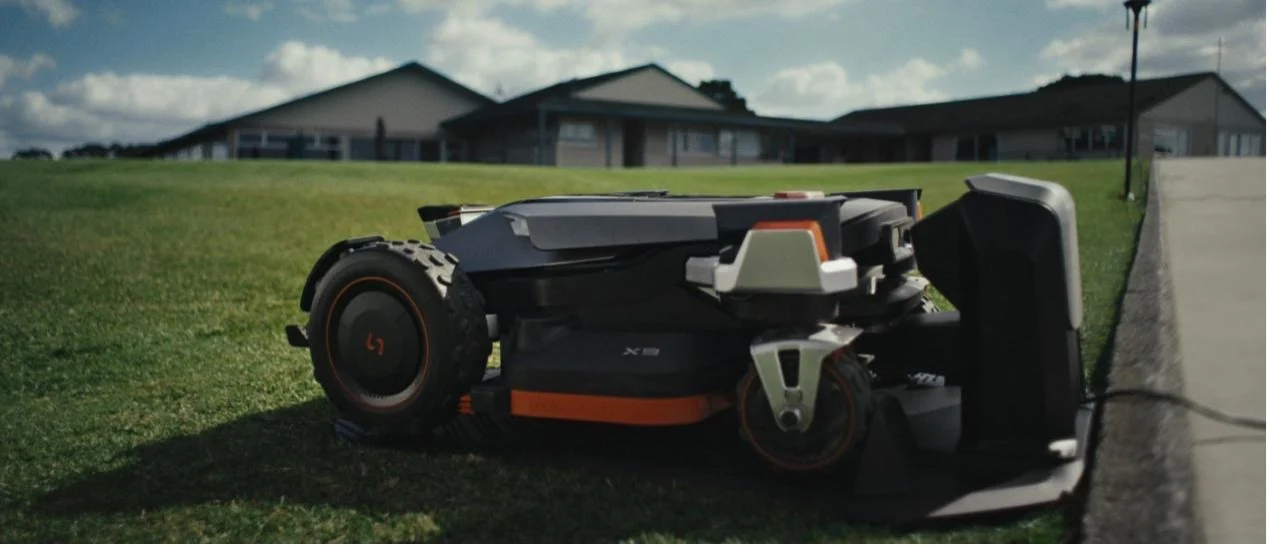
Battery life should match the mower's coverage rating and your preferred mowing schedule. Check how long the mower cuts per charge, how fast it recharges, and whether it resumes mowing automatically after docking. Night mowing can help busy households, but quiet operation and reliable sensing become more important after dark. Maintenance should also stay simple. Look for easy blade replacement, clear cleaning access, app reminders, and stable docking performance, because small upkeep tasks keep the mower working smoothly.
Conclusion
The best no-perimeter-wire mower is the one that fits your lawn's layout, terrain, and routine with the least friction. Start by comparing navigation technology, because accurate mapping drives every other feature. Then review virtual boundaries, no-go zones, slope handling, coverage, cutting performance, and app control. Do not overlook safety, battery behavior, charging reliability, and maintenance access. A mower with strong specs but poor fit for your yard will create extra work. A well-matched model will map cleanly, mow consistently, protect key areas, and make routine lawn care easier to manage.