
 Vipin PG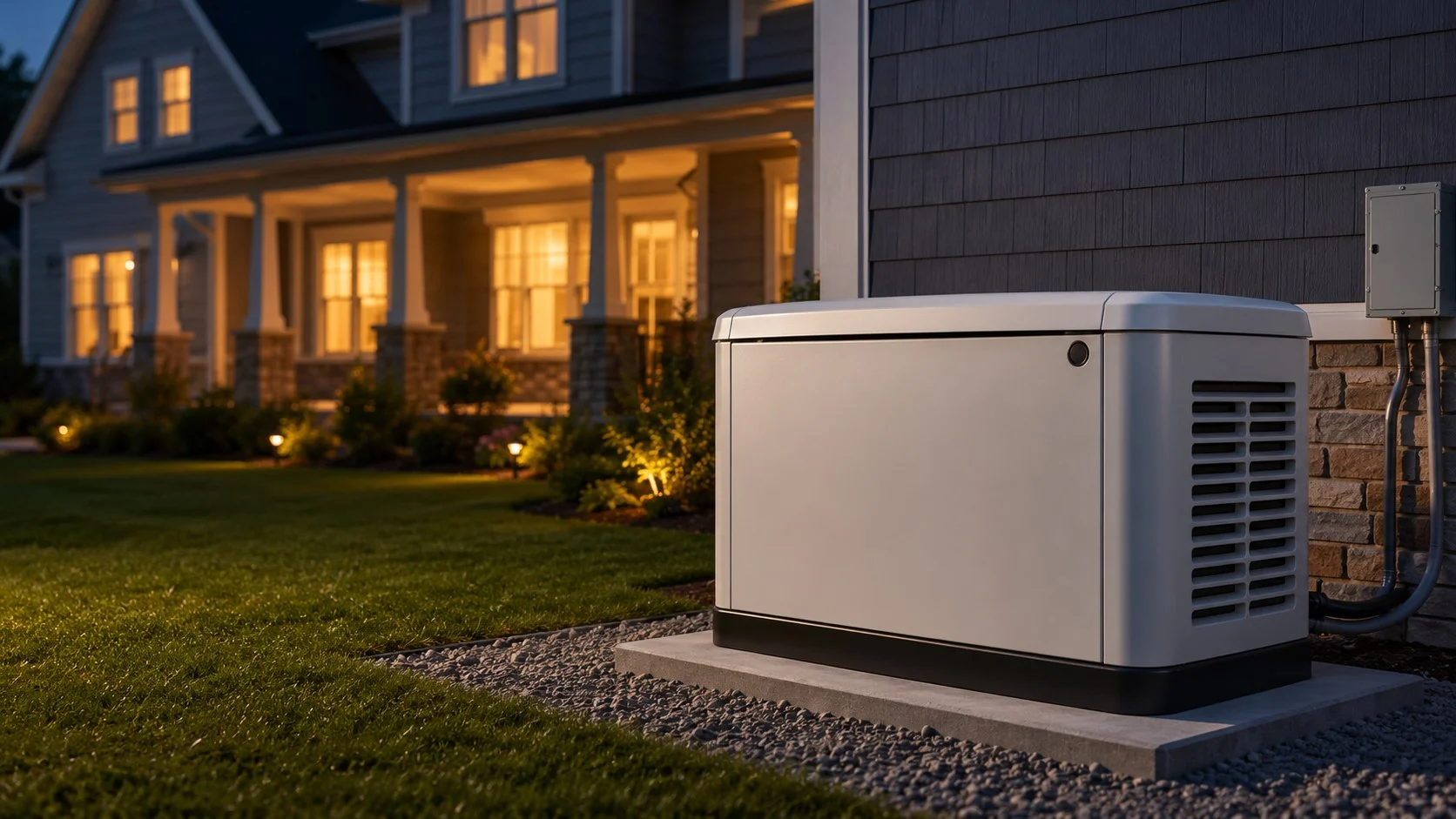
Whole home generator fuel use depends mainly on generator size, how much of the house is running, the fuel type, and how long the outage lasts. Most systems burn far more fuel under heavy demand than they do when covering only essentials such as refrigeration, lighting, internet, and a few circuits. For homeowners planning backup power, the key question is not just generator capacity, but how many hours or days that capacity must be sustained. Natural gas systems draw from a utility line, while propane and diesel rely on stored fuel that can be measured in gallons. Understanding typical consumption helps with tank sizing, refueling plans, and operating costs. It also helps you decide whether battery-backed backup can reduce fuel needs during shorter outages significantly.
How Much Fuel Does a Whole Home Generator Use?
Fuel Use by Generator Size and Electrical Load
A whole home generator's fuel consumption rises with both generator size and electrical load. Smaller 10 to 14 kW units supporting essentials may use modest fuel at partial load, while 20 to 30 kW systems powering central air, well pumps, kitchen appliances, and more consume noticeably more per hour. Load matters because generators burn less fuel at 25% or 50% output than they do near full capacity. A lightly loaded generator can still waste fuel if it is oversized for the home. In practical terms, a generator running refrigerators, lights, and outlets will use far less than one carrying electric water heating, air conditioning, and laundry equipment during the same outage period.
Natural Gas, Propane, and Diesel Consumption
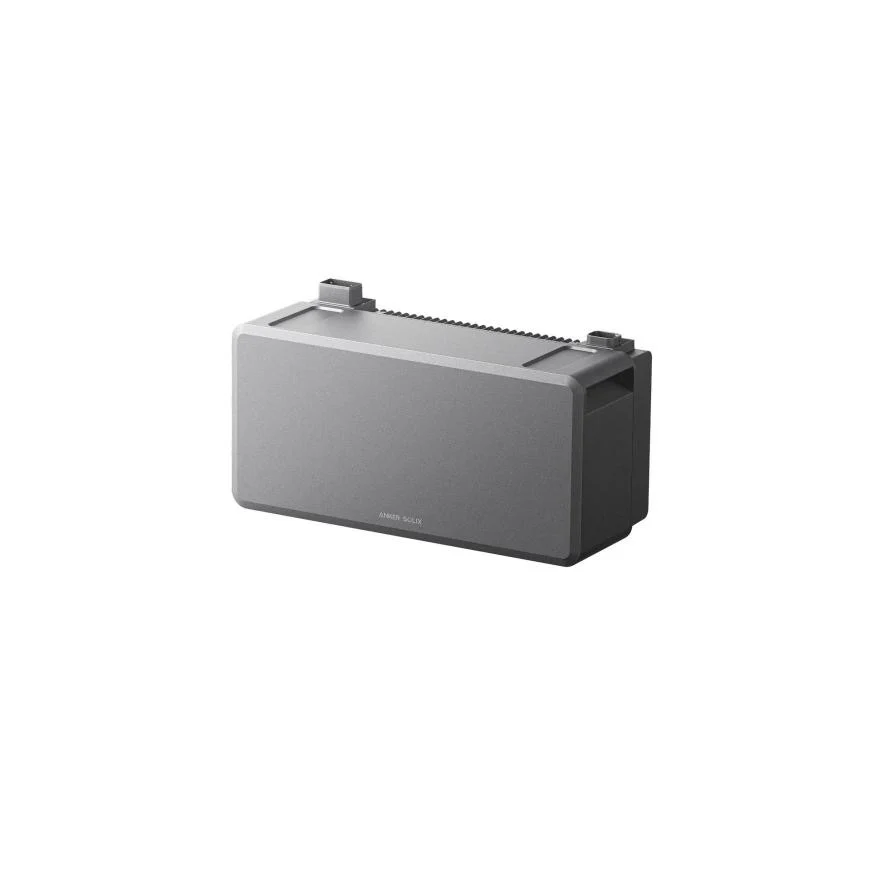
Fuel type changes how consumption is measured and planned. Natural gas generators are usually rated in cubic feet per hour, and many residential units consume roughly 150 to 300+ cubic feet per hour depending on output and load. Propane and diesel are tracked in gallons per hour. A mid-size home standby generator may burn about 1 to 3 gallons of propane per hour, with larger systems going higher under heavy demand. Diesel units often use a somewhat lower gallon-per-hour rate for similar output, but they require on-site fuel storage and maintenance. For a fuel-free alternative during many outages, the Anker SOLIX E10 Whole-Home Backup uses expandable 6 to 90 kWh battery capacity with optional solar and a 4.5 kW smart generator.
What Affects Whole Home Generator Fuel Consumption?
Generator Size, Home Load, and Running Time
Three factors drive most household backup fuel use: generator size, the home's active load, and total runtime. A larger unit can support more circuits, but if the home rarely needs that much power, it may burn unnecessary fuel over long outages. Runtime multiplies consumption quickly. Even a moderate hourly rate becomes substantial after 24, 48, or 72 hours. Homes with electric heat, central air, sump pumps, well pumps, or large cooking appliances place much heavier demands on a generator than homes using gas heat and selective circuit backup. To estimate real usage, pair the generator's published fuel rate at 25%, 50%, and full load with a realistic outage plan based on what you actually intend to run.
Weather, Efficiency, and Generator Condition
Outside temperature, maintenance, and operating efficiency also affect fuel consumption. Very hot or cold weather can push HVAC systems to run longer, increasing electrical demand and forcing the power home generator to burn more fuel. Propane vaporization can also become a planning issue in colder conditions if tank sizing is too small. A well-maintained generator with clean filters, fresh oil, and proper tuning generally runs more efficiently than one that has been neglected. Installation quality matters too, especially for airflow, exhaust routing, and fuel delivery. Newer backup systems can also reduce waste by switching loads intelligently. Battery-based systems with fast transfer, such as setups with seamless switchover, can cover brief interruptions without immediately consuming fuel from a combustion generator.
How to Reduce Fuel Use for Home Backup Power
Manage Appliance Loads and Avoid Oversizing
The most effective way to reduce generator fuel use is to lower the load. During an outage, prioritize refrigeration, communications, lighting, medical equipment, and a few key outlets before running large appliances. Staggering high-draw devices, such as microwaves, dryers, and pumps, prevents unnecessary peaks that drive fuel consumption upward. Smart load management also lets a smaller system cover more of the home efficiently. Avoid oversizing unless you truly need whole-house simultaneous operation, because a bigger generator often costs more to buy and more to run. Reviewing starting loads is important as well. If central air must stay on, choose a backup solution sized for its surge without automatically sizing the entire system far beyond everyday emergency needs.
Consider Battery Backup for Fuel-Free Home Power
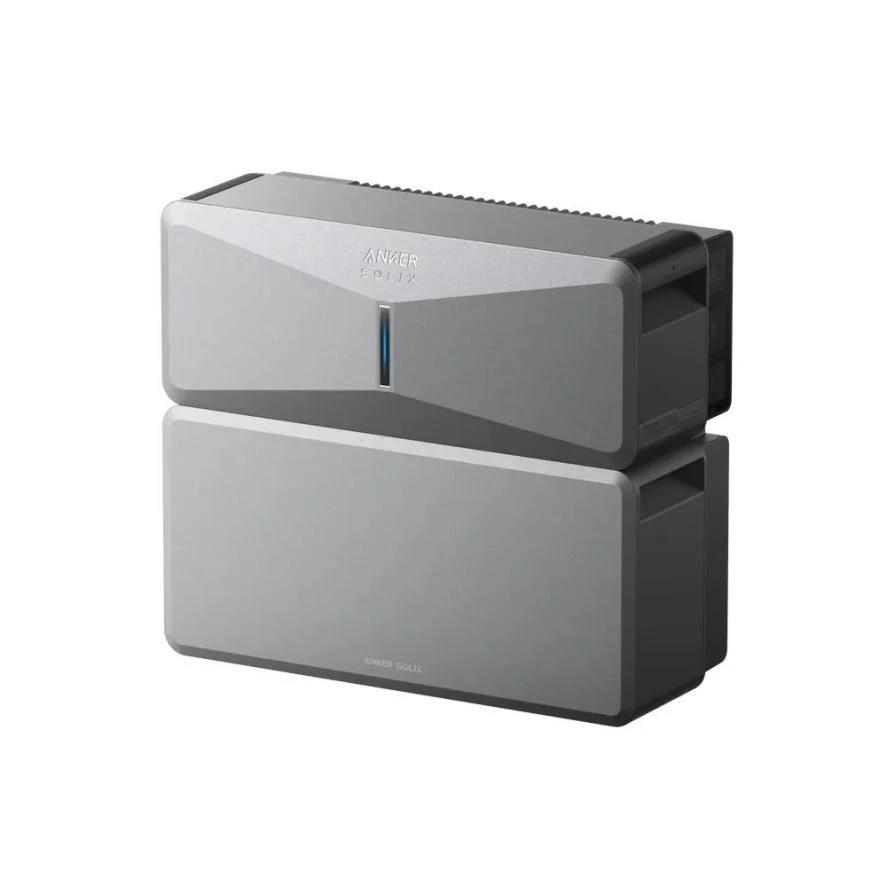
Battery backup can sharply reduce or even eliminate generator fuel use, especially for shorter outages or homes with solar. Instead of burning fuel continuously, stored energy can cover essentials quietly and instantly, then recharge from solar when sunlight is available. That approach also helps during grid disturbances that last minutes rather than days. The Anker SOLIX E10 Whole-Home Backup is built around that model, offering 10 to 30 kW turbo output, 6 to 90 kWh battery expandability, 9 to 27 kW solar input, and up to 80% bill reduction through self-consumption and time-of-use modes. It can start a 5-ton central A/C, switch over in 20 milliseconds or less, and add a smart generator only when extra runtime is needed.
Conclusion
A whole home generator typically uses more fuel as size, electrical demand, and outage length increase. Natural gas is convenient for long events when utility service remains available, while propane and diesel require careful storage planning because usage adds up hour by hour. For most homes, the smartest approach is to estimate fuel needs based on real appliance loads, not maximum theoretical capacity. That helps prevent overspending on both generator size and fuel supply. It also highlights where battery backup can reduce operating costs and noise. If you want dependable home backup with less fuel dependence, combining batteries, solar, and selective generator support can be a practical solution that keeps essential systems running while avoiding unnecessary fuel burn during routine outages.