 Vipin PG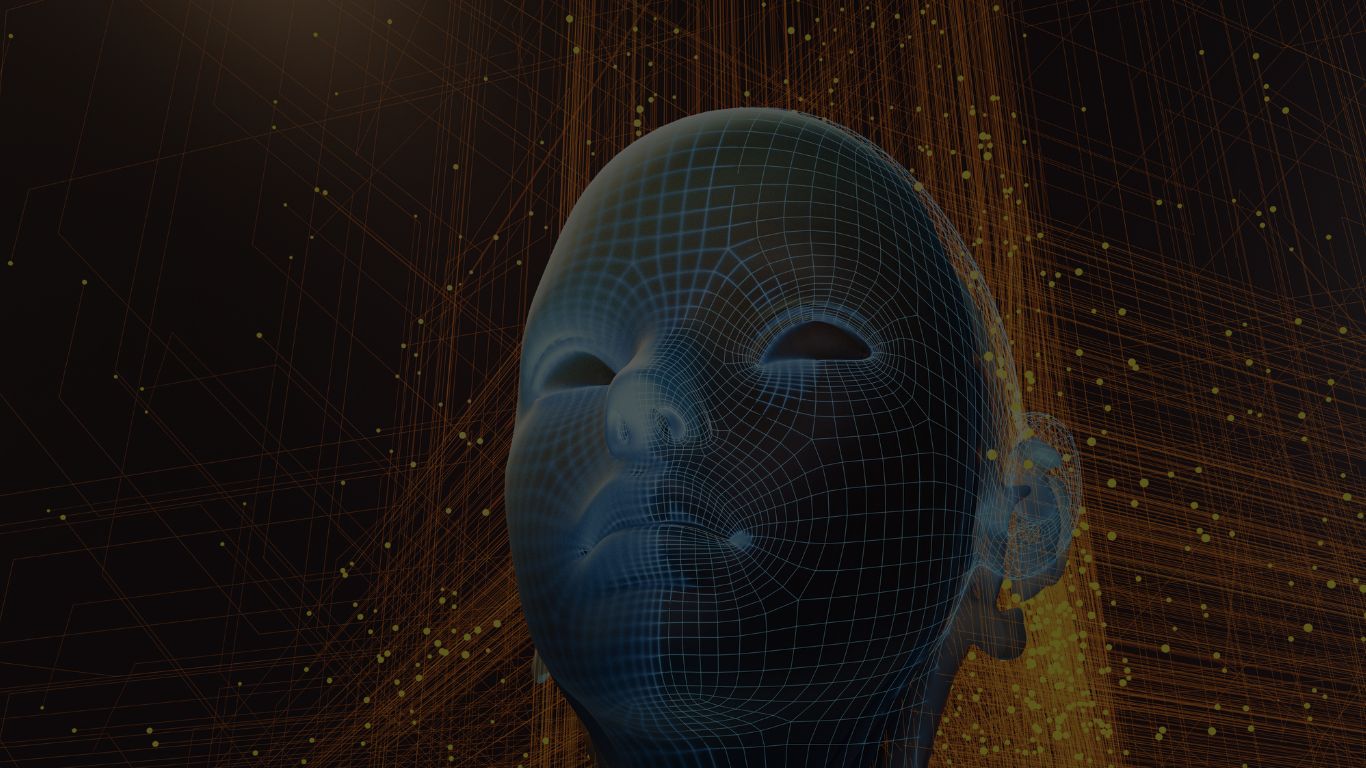
The line between reality and digital creation is dissolving faster than ever. At the center of this transformation is DeepVision Effects—a powerful blend of artificial intelligence (AI), computer vision, and neural rendering that is reshaping how movies, games, and virtual platforms are built and experienced.
Unlike traditional visual effects (VFX), which require manual artistry, heavy modeling, and resource-intensive rendering, DeepVision Effects rely on AI-powered systems to generate hyperrealistic visuals in real-time. From movie-quality characters to lifelike game environments and immersive AR/VR experiences, this technology is not just improving visual content—it is fundamentally redefining how digital worlds are created and consumed.
What Are DeepVision Effects?
DeepVision Effects are AI-driven visual technologies that use deep learning and generative models to produce photorealistic content. These systems are trained on massive datasets of images and videos, learning the intricate patterns of light, motion, texture, and perspective that make visuals appear real.
Core AI Technologies Behind DeepVision Effects
- Generative Adversarial Networks (GANs): A generator and discriminator work together to refine outputs until synthetic visuals are nearly indistinguishable from reality.
- Neural Rendering: Replaces traditional rendering pipelines with AI-driven simulations of lighting, shadows, and material properties.
- Diffusion Models: Transform random noise into detailed, high-quality images and even full 3D environments.
- 3D Reconstruction (NeRFs): Builds complete 3D scenes from limited 2D inputs, ideal for creating immersive environments.
- Real-Time Acceleration (DLSS & Transformers): Upscales and accelerates rendering, enabling cinema-quality visuals in interactive applications.
This transition represents a paradigm shift: instead of spending weeks modeling every scene element manually, creators can now generate complex, adaptive environments and characters in hours or even minutes.
Applications Across Industries
Movies & Cinematic Production
- AI Characters: DeepVision Effects make digital doubles and synthetic actors indistinguishable from real performers, complete with natural facial expressions and fluid movements.
- Next-Gen CGI & Special Effects: Neural shaders and AI lighting simulations allow for realistic explosions, weather, or supernatural elements without weeks of manual setup.
- Post-Production & Color Grading: AI tools like DaVinci’s Neural Engine automatically enhance footage, match scenes, and even adapt visuals to a director’s unique style.
- Restoration: Old or damaged film footage can be upscaled, cleaned, and restored, preserving cultural heritage with stunning clarity.
Gaming
- Immersive Worlds: AI can procedurally generate vast, dynamic environments that react to player choices.
- Smarter NPCs: Characters powered by AI not only look real but behave realistically, holding natural conversations and evolving over time.
- Cinematics in Real-Time: Cutscenes no longer need to be pre-rendered—AI ensures gameplay and story sequences remain seamless and movie-like.
Virtual & Augmented Reality
- Training Simulations: From medicine to military, AI-generated environments provide risk-free, high-fidelity practice scenarios.
- Education: Students can explore historical reconstructions, interact with scientific models, or experience concepts in visually immersive ways.
- Personalized Virtual Spaces: VR environments adapt to user behavior, creating evolving worlds tailored to individual experiences.
Advertising & Marketing
- Product Visuals Without Photoshoots: AI generates ultra-realistic product images in different environments and lighting conditions.
- Virtual Ambassadors & Campaigns: Brands deploy AI-created models and digital environments that are consistent, customizable, and cost-effective.
Benefits and Opportunities
- Faster Production: What once took weeks now takes days or even hours.
- Lower Costs: Independent creators and smaller studios can achieve blockbuster-quality visuals without multimillion-dollar budgets.
- Accessibility: Tools like RunwayML and Wonder Dynamics allow non-technical creators to produce professional-grade content.
- Personalized Experiences: Content adapts dynamically—games adjust environments, and educational platforms tune complexity to each learner.
Challenges and Ethical Concerns
- Deepfake Risks: The same tech that powers digital doubles can also create harmful fake videos.
- Copyright & Ownership: Who owns AI-generated visuals when trained on copyrighted data? The legal landscape is still evolving.
- Over-Reliance on Synthetic Media: A flood of AI content could reduce appreciation for traditional artistry.
- Technical Gaps: Issues like lighting consistency, fine-detail accuracy, and artifact-free motion still challenge developers.
The Future of DeepVision Effects
The trajectory of this technology points to an era where synthetic and real visuals are indistinguishable:
- Metaverse Integration: Persistent virtual worlds powered by AI-driven content.
- Holographic Displays: Immersive 3D visuals without glasses or headsets.
- Wearable AR Devices: Seamless overlays of digital objects into our physical environment.
- AGI & Narrative Understanding: AI may evolve into a creative collaborator, not just a tool.
- Quantum Computing: Could eventually power ultra-realistic simulations at massive scale in real time.
Conclusion
DeepVision Effects mark a fundamental transformation in visual storytelling. By merging AI with human creativity, they are pushing the limits of what’s possible in entertainment, education, marketing, and beyond.
The opportunities are vast—faster workflows, democratized creativity, and hyperrealistic experiences. But they also bring responsibilities: ensuring ethical use, protecting creators’ rights, and maintaining trust in visual media.
As the boundary between imagination and reality blurs, one question remains: When everything can look real, how will we define what is truly real?