
 Vipin PG
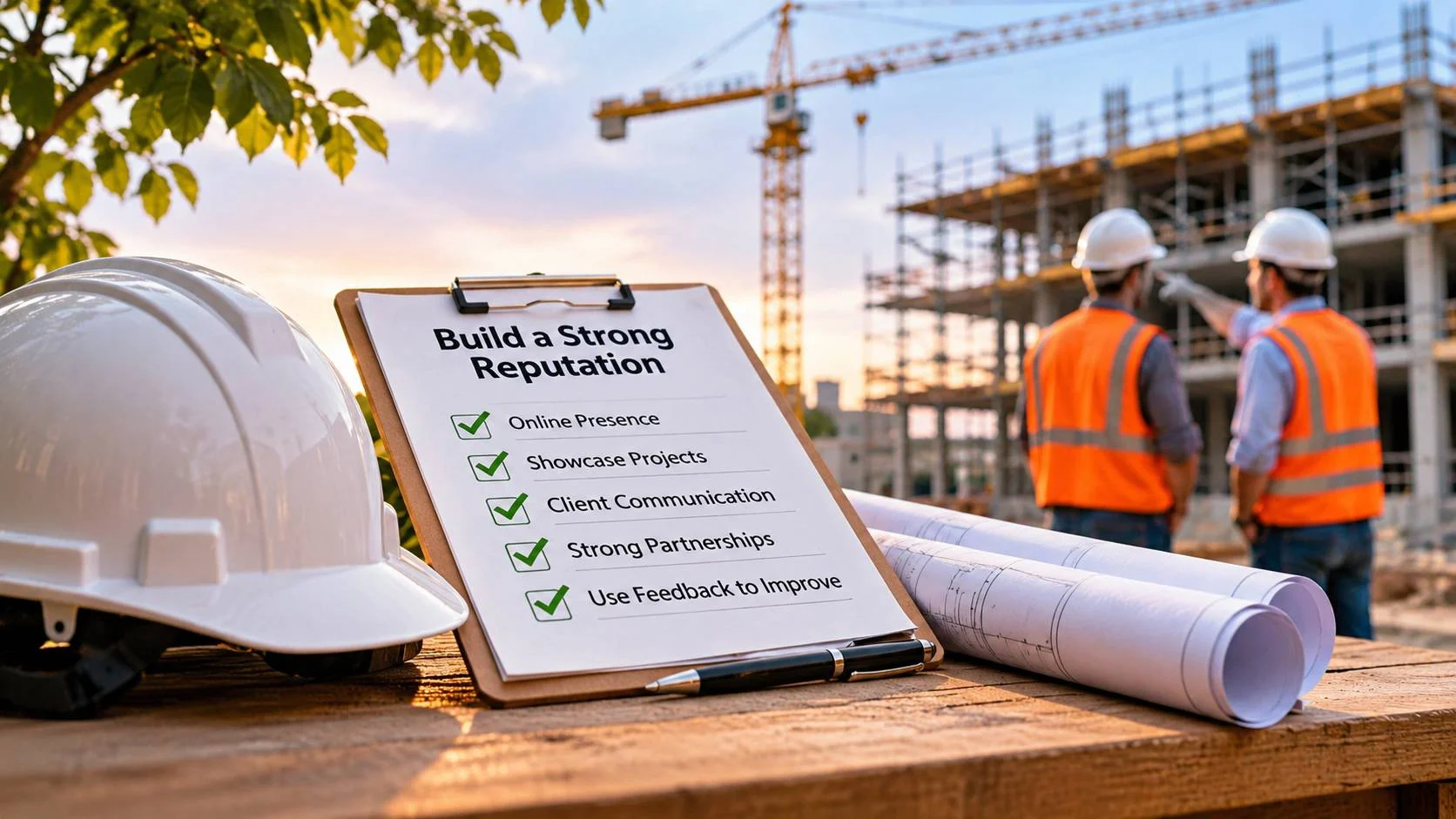
Reputation plays a significant role in the construction industry. Clients want to work with businesses they can trust to deliver quality workmanship, meet agreed deadlines, and communicate clearly throughout a project. A strong reputation can also help construction companies stand out in a competitive market, attract skilled employees, and build relationships that lead to repeat work.
While years of experience and successful projects provide a solid foundation, maintaining a positive profile requires consistent effort. From showcasing completed developments to strengthening relationships with clients and suppliers, there are several practical ways to establish credibility. Read on to explore five approaches that can help your construction business build a reputation that lasts.
Strengthen Your Online Presence
Many potential clients begin their search for a construction company online. Before making contact, they may look through a website, read reviews, compare previous projects, and assess whether a business appears reliable. A professional digital presence makes it easier for prospective customers to understand what a company does, the types of projects it undertakes, and the standards it aims to maintain. Keeping contact details current, explaining services clearly, and displaying relevant qualifications can all help create a positive first impression.
For companies looking to improve their visibility, working with a construction marketing agency can provide a more structured approach to building an online reputation, which might involve improving website content, developing useful articles, strengthening search visibility, and ensuring the business reaches the right audience. Rather than simply generating attention, effective marketing should communicate the company’s experience and values in a way that feels credible. A well-maintained online presence gives potential clients useful information before they make an enquiry, helping them feel more confident about taking the next step.
Let Completed Projects Demonstrate Your Standards
Construction businesses have a practical advantage when it comes to reputation building: their work often provides visible evidence of their capabilities. Completed buildings, renovations, extensions, and infrastructure projects can demonstrate attention to detail in a way that general claims about quality cannot. A portfolio featuring a range of relevant projects helps prospective clients judge whether a company has the experience and technical ability to meet their requirements.
However, an effective portfolio should do more than present attractive photographs. Include a short explanation of each project, outlining the original brief, any challenges encountered, and how the finished result met the client’s needs. Where appropriate, before-and-after images can illustrate the scale of an improvement, while project details can highlight specialist skills or particularly complex work. Obtaining permission before publishing photographs or client information is essential. Over time, a carefully maintained construction project portfolio becomes a useful record of the company’s development, giving prospective customers tangible reasons to trust its experience.
Make Client Communication A Priority
Even a technically excellent project can leave a poor impression if communication breaks down. Construction work often involves changing circumstances, multiple contractors, budget considerations, and decisions that need to be made quickly. Clients appreciate knowing what is happening, what is expected of them, and whether any developments could affect the original plans. Regular updates can prevent misunderstandings from becoming larger disputes and show that the business takes its responsibilities seriously.
Good communication begins before a contract is signed. Clear quotations, realistic timescales, and honest explanations of what is included help establish appropriate expectations. During the project, scheduled progress reports and prompt responses to concerns give clients greater confidence that their work is being managed carefully. If delays or unexpected costs arise, explaining the reasons and discussing available options is usually more constructive than leaving clients to seek answers themselves. A consistent client communication process also helps employees understand who is responsible for providing updates and resolving issues. When people feel informed and respected, they are more likely to remember the experience positively and recommend the business to others.
Build Strong Relationships with Suppliers and Tradespeople
A construction company’s reputation is influenced by more than its direct dealings with clients. Suppliers, subcontractors, architects, engineers, and other tradespeople all contribute to the delivery of a project. When these relationships work well, teams can coordinate tasks efficiently, address problems sooner, and maintain more consistent standards. Reliable professional relationships can also make it easier to secure suitable materials and specialist expertise when projects become demanding.
Trust between businesses develops through everyday actions. Paying invoices within agreed terms, providing accurate information, confirming schedules, and treating other professionals fairly all demonstrate that a company is dependable. It is equally important to choose partners whose working practices and quality standards align with its own. A subcontractor’s poor workmanship or repeated failure to meet deadlines can affect the wider project’s outcome, regardless of how well the main contractor performs elsewhere. Maintaining a dependable construction supply chain therefore supports both operational performance and reputation; businesses that earn respect from the people they work with develop a stronger professional network, creating opportunities for recommendations, collaboration, and future projects.
Turn Feedback into a Way to Improve
A strong reputation is not built by avoiding every mistake. It comes from demonstrating that the business takes feedback seriously and responds constructively when something goes wrong. Asking clients about their experience can reveal what worked well and where processes could be improved. This feedback may relate to the quality of the finished work, the clarity of communication, site organisation, or the way unexpected issues were handled. Looking for recurring themes can help management identify changes that will benefit future projects.
Reviews and testimonials can also provide useful reassurance to prospective customers, provided they reflect genuine experiences and are shared with permission. Businesses should avoid treating feedback as a request for praise alone. A thoughtful response to criticism, followed by a clear effort to resolve the underlying issue, can demonstrate professionalism. Internally, recording lessons learned after each project helps teams refine their procedures and reduce the likelihood of repeated problems. A practical customer feedback system gives the company a consistent way to collect comments, review patterns, and act on what it learns. By making improvement part of everyday operations, construction businesses can protect their standards and build trust over the long term.