 Vipin PG
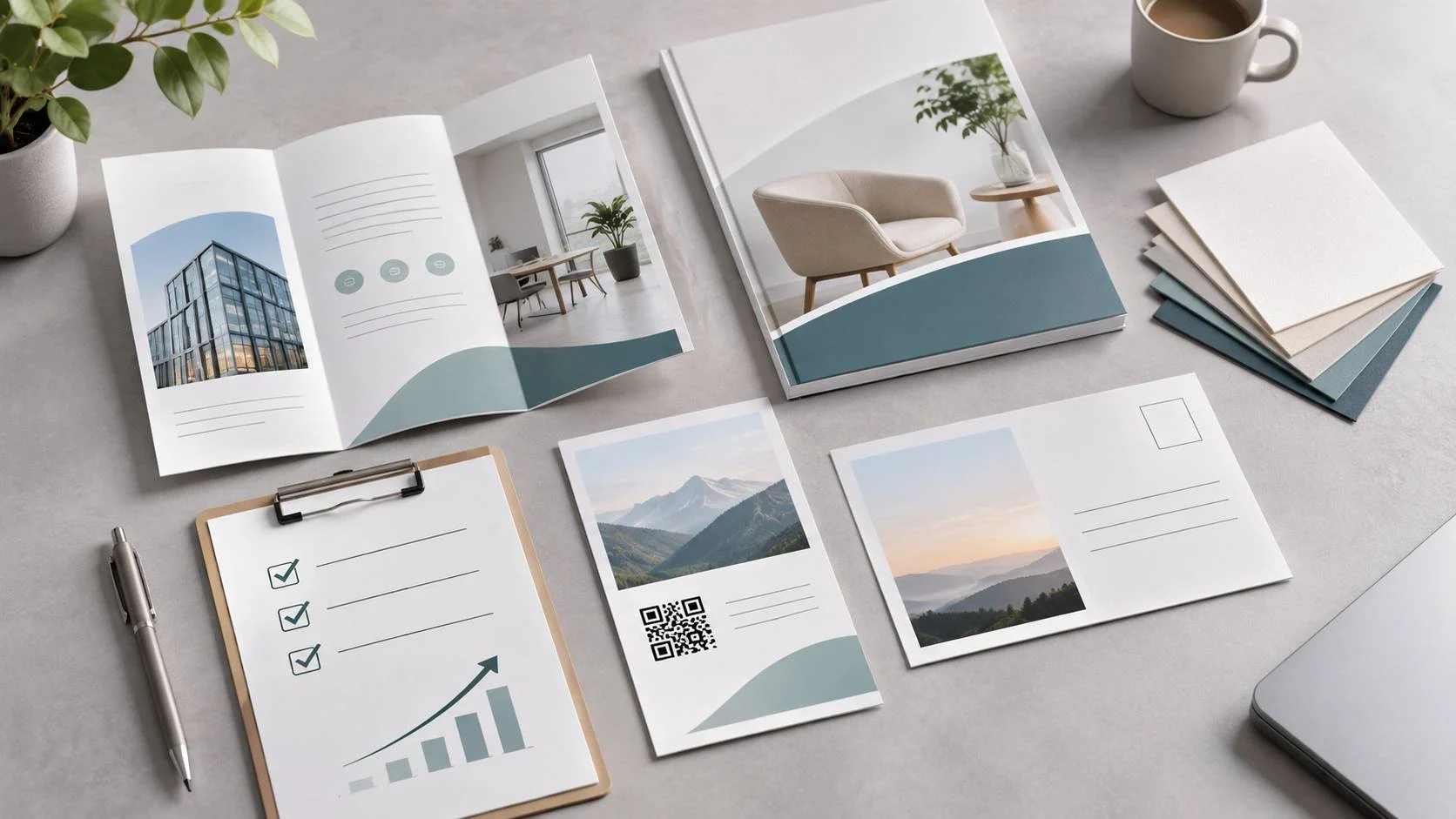
Marketing materials remain an important part of how businesses communicate with customers, promote their services, and build recognition. From printed brochures and direct mail to event displays and product catalogues, well-designed materials can help a company make a lasting impression beyond its digital channels. However, simply producing promotional content is not enough. To get the best return on investment, businesses need to consider how their materials look, who they reach, and what they encourage people to do next.
A thoughtful approach can make every item more useful, memorable, and effective. Read on to discover five practical ways to get more value from your marketing materials.
Invest In High-Quality Printing That Reflects Your Brand
The quality of a printed marketing item can influence how people perceive the business behind it. A brochure with crisp images, clear text, and carefully chosen paper stock creates a different impression from one with faded colours or an inconsistent finish. This is especially important when materials are handed to prospective customers, included in product packaging, or displayed at industry events. Physical items give people something tangible to associate with a company, so the production quality should reflect the standards the business wants to communicate.
Choosing litho printing services can be useful when producing marketing materials that need consistent results across a larger print run; lithographic printing is well suited to many high-volume jobs, while digital litho and related print options may offer different advantages depending on the specification and quantity required. Businesses should discuss their intended use, paper choices, colour requirements, and finishing options before production begins. Requesting a proof can also help identify layout or colour issues before the full order is printed. By matching the printing method to the project, companies can create professional materials that support their brand identity while making sensible use of their budget.
Give Every Piece of Marketing a Clear Purpose
Marketing materials are more effective when they are created to achieve a specific objective. A product catalogue might help customers compare options, while a postcard could promote a seasonal offer or encourage people to visit a new location. Trying to communicate every possible message in one item can leave the audience unsure what to focus on. Defining the purpose at the outset helps businesses decide which information deserves the most attention and which details can be left out.
Start by identifying the audience and the action you want them to take. For example, a brochure aimed at prospective clients may need to explain the company’s services and demonstrate its expertise, whereas a leaflet for existing customers might focus on a new product or an upcoming event. A clear marketing call to action should guide the reader towards the next step, whether that means visiting a website, booking a consultation, or requesting a quotation. Make that action easy to understand and straightforward to complete. When the design, message, and intended outcome all work together, each printed item has a more defined role in the wider marketing strategy.
Measure Results and Improve Future Campaigns
Even attractive marketing materials may not deliver the desired results if they reach the wrong audience or communicate an unclear message. Reviewing performance helps businesses understand which formats are worth repeating, where money is being spent effectively, and what could be improved next time. Measurement does not need to be complicated. The right approach depends on the purpose of the campaign and the type of response the business hopes to generate.
For a direct mail campaign, companies could track enquiries, voucher redemptions, or visits to a dedicated landing page. Materials distributed at an exhibition might be assessed by recording follow-up meetings or leads generated after the event. A marketing campaign evaluation can bring these figures together with feedback from customers and sales teams, helping businesses identify patterns rather than relying on impressions alone. It is important to consider the full context, including production costs, distribution expenses, and the time taken to convert an enquiry into a sale. Comparing results across campaigns can reveal which audiences respond best to particular messages or formats. With each round of activity, businesses can refine their approach, allocate budgets more carefully, and make future marketing materials work harder.
Connect Printed Materials with Digital Channels
Printed marketing does not need to operate separately from a company’s online activity. In fact, combining physical materials with digital channels can make it easier for customers to find further information, explore products, and continue engaging with the business. A leaflet might introduce a service, while a linked webpage provides detailed specifications, customer testimonials, or a booking form. This allows printed content to remain concise without leaving interested readers searching for answers.
A QR code marketing campaign can provide a simple connection between the two formats. Adding a scannable code to a brochure, event handout, or direct mail piece can take customers to a relevant landing page, video demonstration, or online offer. The destination should match the promise made by the printed material, rather than sending everyone to a generic homepage. It is also worth testing the code on different devices and ensuring the linked page works well on mobile screens. Businesses can use tracked links or campaign-specific landing pages to understand how many people respond. By making the transition from print to digital seamless, companies can extend the usefulness of their materials and gain clearer insight into customer behaviour.
Make Your Materials Useful Beyond the First Interaction
Promotional items have a greater chance of being remembered when they offer something useful rather than simply displaying a company name. A well-organised product guide, an informative reference sheet, or a thoughtfully designed calendar may remain in someone’s workspace long after an initial meeting. The longer a relevant item stays in use, the more opportunities it creates for people to notice the business and recall what it offers.
Consider what your audience would genuinely find helpful. A construction supplier could produce a concise materials guide, while a professional services firm might create a checklist that helps customers prepare for an appointment. A printed reference guide can provide practical information in a format that is easy to keep nearby and revisit when needed. The design should make important details easy to find, using clear headings, readable typography, and a logical structure. Avoid filling every available space with promotional messages, as this can make the resource harder to use. Instead, include the company’s identity naturally and provide contact details for readers who want further assistance. Materials that solve a small problem or answer a common question can build goodwill while keeping the business visible.