 Vipin PG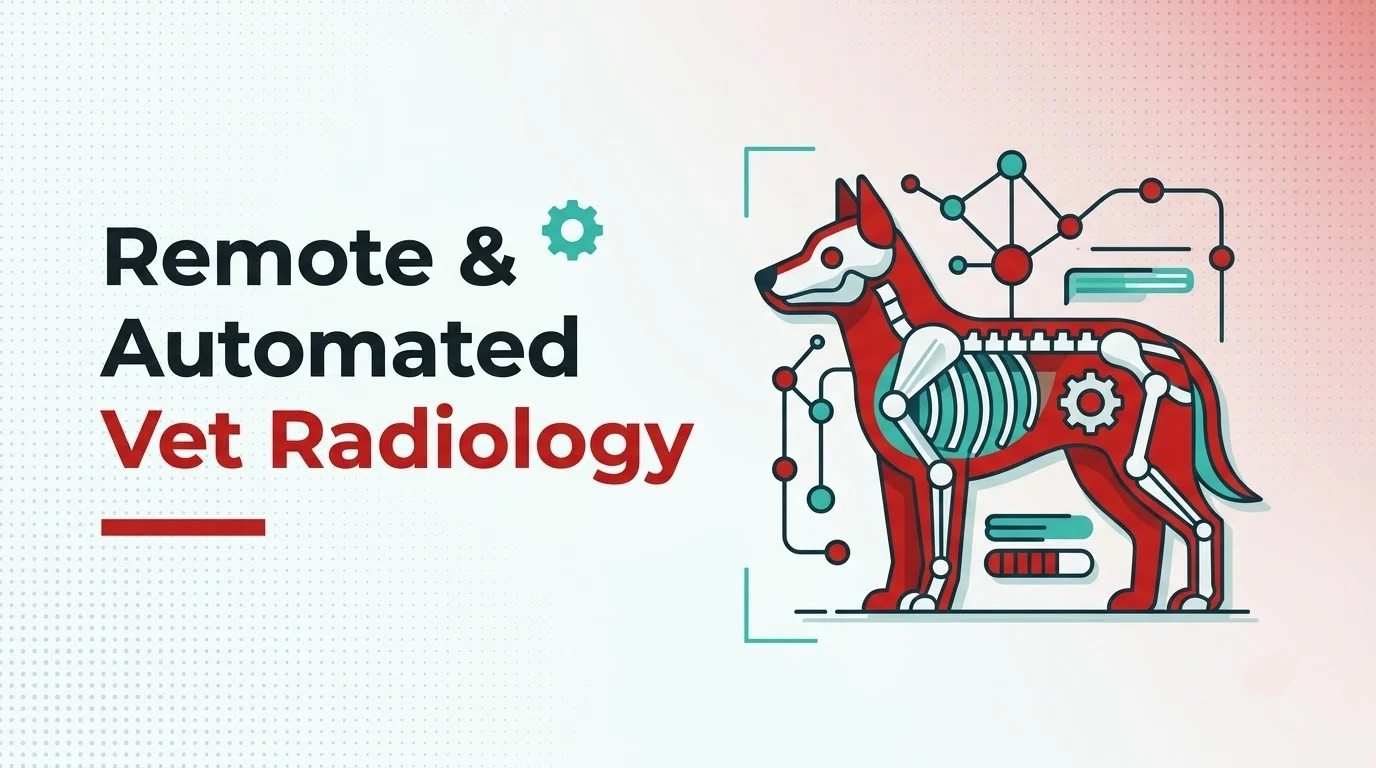
Veterinary radiology has changed dramatically over the past few years. What was once limited to on-site image interpretation has evolved into a combination of cloud-based imaging, teleradiology, AI-assisted analysis, and remote collaboration between veterinary teams and board-certified radiologists. Clinics of every size now have access to technologies that help shorten turnaround times, improve diagnostic confidence, and support more consistent patient care. For many practices, The point is to extend it. Automated radiology software can prioritize findings, show areas of concern, use imaging workflows, and facilitate obtaining specialist input regardless of location. This is especially valuable for emergency hospitals, specialty centers, multi-site practices, and general clinics where immediate access to veterinary radiologists may not always be available.
At a Glance: Leading Remote Veterinary Radiology Platforms
- SignalPET: AI-assisted veterinary radiology platform
- Vetology: Veterinary teleradiology and AI diagnostics
- VetCT: Global veterinary teleradiology network
- Antech Imaging Services: Specialist diagnostic imaging services
- IDEXX Telemedicine Consultants: Remote diagnostic consultation
Why Remote Veterinary Radiology Is Becoming Standard Practice
Digital imaging has dramatically increased the volume of radiographs generated by veterinary hospitals. At the same time, access to board-certified veterinary radiologists remains limited in many regions, creating delays in interpretation during busy clinical periods. Remote radiology software helps bridge this gap by allowing images to be reviewed regardless of where they were acquired. Veterinarians can upload studies, collaborate with specialists, and receive diagnostic support without transferring patients or delaying treatment decisions. Automation is also playing a larger role throughout the imaging workflow. AI-assisted analysis can help identify abnormalities, organize cases, prioritize urgent studies, and provide an additional layer of review before final clinical interpretation. Rather than replacing veterinarians, these capabilities are increasingly being used to improve workflow efficiency and support clinical decision-making.
Faster Access to Diagnostic Expertise
Many veterinary practices operate without an in-house radiologist. Cloud-based imaging platforms provide access to specialist interpretation regardless of geographic location, helping clinics obtain expert opinions more quickly while expanding diagnostic capabilities.
Better Workflow Management
Modern radiology platforms increasingly automate administrative tasks such as case submission, image routing, report delivery, and communication between veterinary teams. Reducing manual work allows clinicians to spend more time focusing on patient care.
AI Supports Clinical Decision-Making
Artificial intelligence is becoming an additional diagnostic resource rather than a replacement for veterinary expertise. Many platforms use AI to identify areas of interest, assist with image review, and improve consistency across routine radiographic evaluations.
The 5 Best Software Tools for Remote and Automated Vet Radiology (2026)
1. SignalPET
SignalPET combines artificial intelligence with veterinary radiology workflows to assist clinicians in interpreting radiographic studies more efficiently. Rather than functioning solely as a reporting platform, the software analyzes veterinary radiographs using AI models trained specifically for companion animal imaging. The goal is to provide veterinarians with additional diagnostic support while helping identify findings that may warrant closer evaluation. The platform is particularly valuable for general practices, emergency hospitals, and clinics that want immediate imaging assistance alongside traditional radiology workflows. SignalPET supports remote image analysis, cloud-based accessibility, and AI-assisted interpretation while fitting into existing diagnostic processes. Rather than replacing specialist consultation, the platform is designed to provide an additional layer of clinical insight that can improve workflow efficiency and diagnostic confidence.
Key Features
- AI-assisted radiograph interpretation
- Automated image analysis
- Cloud-based workflow management
- Remote diagnostic accessibility
- Veterinary-specific AI models
- Rapid case review
- Imaging workflow integration
- Clinical decision support
2. Vetology
Vetology combines board-certified veterinary radiologists with artificial intelligence to deliver remote diagnostic imaging services. The platform supports radiographic interpretation through a cloud-based workflow that allows veterinary teams to submit studies from virtually any location. Its hybrid model appeals to practices looking to combine specialist expertise with AI-assisted workflow improvements. Clinics can access remote consultations while benefiting from technology designed to use case management and imaging review. This combination helps improve turnaround times while maintaining access to experienced veterinary radiologists across multiple imaging modalities. (CB Insights)
Key Features
- Veterinary teleradiology services
- AI-supported image review
- Board-certified radiologists
- Cloud imaging platform
- Remote case submission
- Digital report delivery
- Multi-modality support
- Diagnostic workflow management
3. VetCT
VetCT is one of the largest veterinary teleradiology providers, offering remote diagnostic services across radiology, cardiology, neurology, oncology, pathology, and additional veterinary specialties. The platform enables practices around the world to access specialist expertise without requiring on-site radiologists. For organizations handling complex imaging cases, VetCT provides a collaborative model that connects primary veterinarians with specialists through secure cloud workflows. This approach improves access to advanced expertise while supporting practices that require consistent diagnostic consultation across different clinical disciplines.
Key Features
- Global veterinary teleradiology
- Specialist imaging consultation
- Secure cloud submissions
- Multi-specialty support
- Digital reporting platform
- Remote collaboration
- Advanced diagnostic review
- International coverage
4. Antech Imaging Services
Antech Imaging Services provides veterinary diagnostic imaging support through a network of board-certified specialists and cloud-based consultation services. The platform supports radiology interpretation while integrating with broader diagnostic workflows used by veterinary hospitals. Many organizations rely on Antech because of its comprehensive diagnostic ecosystem, allowing imaging to integrate with laboratory testing and other clinical services. This creates a more connected workflow for veterinary teams managing complex cases requiring multiple diagnostic resources.
Key Features
- Veterinary imaging consultations
- Specialist radiology services
- Digital image submission
- Integrated diagnostic workflows
- Cloud-based reporting
- Board-certified expertise
- Hospital workflow support
- Multi-site accessibility
5. IDEXX Telemedicine Consultants
IDEXX Telemedicine Consultants offers remote access to veterinary specialists across several diagnostic disciplines, including radiology. The service allows practices to submit imaging studies electronically for expert interpretation while integrating with the broader IDEXX diagnostic ecosystem. For veterinary hospitals already using IDEXX products, the platform offers a familiar workflow that supports faster collaboration between clinicians and specialists. Digital image submission, structured reporting, and integration with existing diagnostic services help simplify case management while improving access to expert consultation.
Key Features
- Remote radiology consultation
- Specialist diagnostic reporting
- Digital image submission
- Cloud-based collaboration
- Diagnostic workflow integration
- Veterinary imaging expertise
- Multi-specialty consultation
- Connected clinical ecosystem
The Role of Automation in Modern Veterinary Imaging
Automation is influencing nearly every stage of the veterinary imaging process. Instead of simply accelerating report generation, today’s software platforms help coordinate the entire diagnostic workflow from image acquisition through specialist consultation.
Image Review Starts Earlier
Automated systems can begin analyzing studies shortly after images are uploaded. Early review helps identify cases that may require urgent attention while assisting veterinarians with initial interpretation.
Remote Collaboration Improves Care
Cloud platforms allow general practitioners, specialists, emergency clinicians, and referral hospitals to collaborate using the same imaging studies. This improves continuity of care while reducing delays associated with traditional consultation workflows.
Imaging Becomes Part of Connected Clinical Workflows
Modern radiology software increasingly integrates with practice management systems, cloud storage, and diagnostic platforms. Rather than existing as standalone software, imaging becomes part of a broader digital clinical workflow that improves efficiency across the practice.
How Veterinary Practices Are Modernizing Imaging Workflows
Investing in imaging software is only one part of improving radiology services. The most successful veterinary organizations also rethink how images move through the clinic, how specialists collaborate with primary veterinarians, and how diagnostic information is shared with the rest of the care team. Rather than viewing radiology as a separate department, many hospitals now integrate imaging directly into their clinical workflows. This reduces delays, improves communication, and allows veterinarians to make treatment decisions more quickly.
Cloud Connectivity Is Replacing Local Workstations
For many years, diagnostic images were tied to individual workstations inside the hospital. Accessing studies from another location often required transferring files manually or relying on local storage systems. Cloud-based imaging has changed this model. Veterinarians can review cases from different clinics, specialists can interpret studies remotely, and emergency teams can access imaging records without waiting for files to be transferred. This flexibility has become especially valuable for:
- Multi-location veterinary groups
- Emergency hospitals
- Referral centers
- Mobile veterinary practices
- After-hours consultations
Cloud connectivity also makes collaboration significantly easier when multiple clinicians are involved in a patient’s care.
AI Is Becoming Part of the First Review
Artificial intelligence is increasingly used to support the initial review of radiographs before a veterinarian or radiologist completes the final interpretation. Depending on the platform, AI may help:
- show potential abnormalities
- Identify common thoracic findings
- Flag urgent cases
- Improve workflow prioritization
- Reduce administrative delays
These capabilities are designed to support clinical decision-making rather than replace veterinary expertise. Most practices continue to rely on licensed veterinarians and board-certified radiologists for diagnosis and treatment planning.
Remote Collaboration Improves Continuity of Care
One of the biggest advantages of modern radiology software is the ability to involve specialists regardless of physical location. Instead of referring patients solely because advanced interpretation is unavailable locally, practices can share imaging studies electronically and receive specialist feedback much faster. This approach offers several operational benefits:
- Faster diagnostic turnaround
- Better communication between clinics
- Reduced patient transfers
- Greater access to specialty expertise
- Improved case documentation
For emergency cases, even small reductions in turnaround time can influence clinical decision-making.
FAQs
What is remote veterinary radiology software?
Remote veterinary radiology software allows clinics to upload diagnostic images securely and have them reviewed by veterinarians or board-certified veterinary radiologists from another location. Many modern platforms also include cloud storage, workflow management, reporting tools, and AI-assisted image analysis. These systems help practices obtain specialist input more quickly while improving collaboration between hospitals, emergency clinics, and referral centers without requiring patients to travel.
How does AI support veterinary radiology?
AI supports veterinary radiology by analyzing digital radiographs and identifying patterns that may indicate clinically significant findings. Depending on the platform, AI can show areas requiring closer review, prioritize urgent studies, assist with workflow management, and provide an additional layer of diagnostic support. These tools are intended to complement veterinary expertise rather than replace clinical judgment or specialist interpretation.
Can AI replace veterinary radiologists?
No. Current AI technology is designed to assist veterinarians, not replace them. Board-certified veterinary radiologists continue to play a critical role in interpreting complex imaging studies, correlating findings with clinical history, and providing diagnostic recommendations. AI is a a decision-support tool that may improve efficiency and consistency, but final clinical decisions remain the responsibility of qualified veterinary professionals.
What are the benefits of cloud-based veterinary imaging?
Cloud-based imaging allows veterinary teams to access radiographs from virtually any location while simplifying collaboration with specialists and referral hospitals. Images can be uploaded, reviewed, and shared without relying on local servers or manual file transfers. This improves workflow efficiency, supports remote consultations, enhances disaster recovery capabilities, and makes diagnostic information more accessible across multiple clinic locations.
How do veterinary hospitals choose radiology software?
Practices should evaluate factors such as workflow integration, cloud accessibility, AI capabilities, specialist availability, reporting quality, turnaround times, ease of use, and compatibility with existing imaging equipment. The best solution should fit naturally into the clinic’s diagnostic process while supporting future growth, increasing imaging volumes, and expanding collaboration between veterinary teams and remote specialists.
Is remote radiology suitable for emergency veterinary hospitals?
Yes. Emergency hospitals often benefit significantly from remote radiology because they require rapid access to diagnostic expertise outside normal business hours. Cloud-based platforms enable emergency clinicians to submit imaging studies immediately and receive specialist input without delaying treatment decisions. AI-assisted workflows can also help prioritize urgent cases, allowing veterinary teams to respond more efficiently during busy emergency shifts.
What trends are shaping veterinary radiology in 2026?
Veterinary radiology continues moving toward greater automation, cloud collaboration, and AI-assisted decision support. Practices are increasingly adopting platforms that combine remote specialist consultation, automated workflow management, integrated practice software, and intelligent image analysis. Rather than replacing veterinarians, these technologies are helping clinics improve efficiency, reduce turnaround times, and provide more consistent diagnostic support across a wide range of clinical environments.