 Vipin PG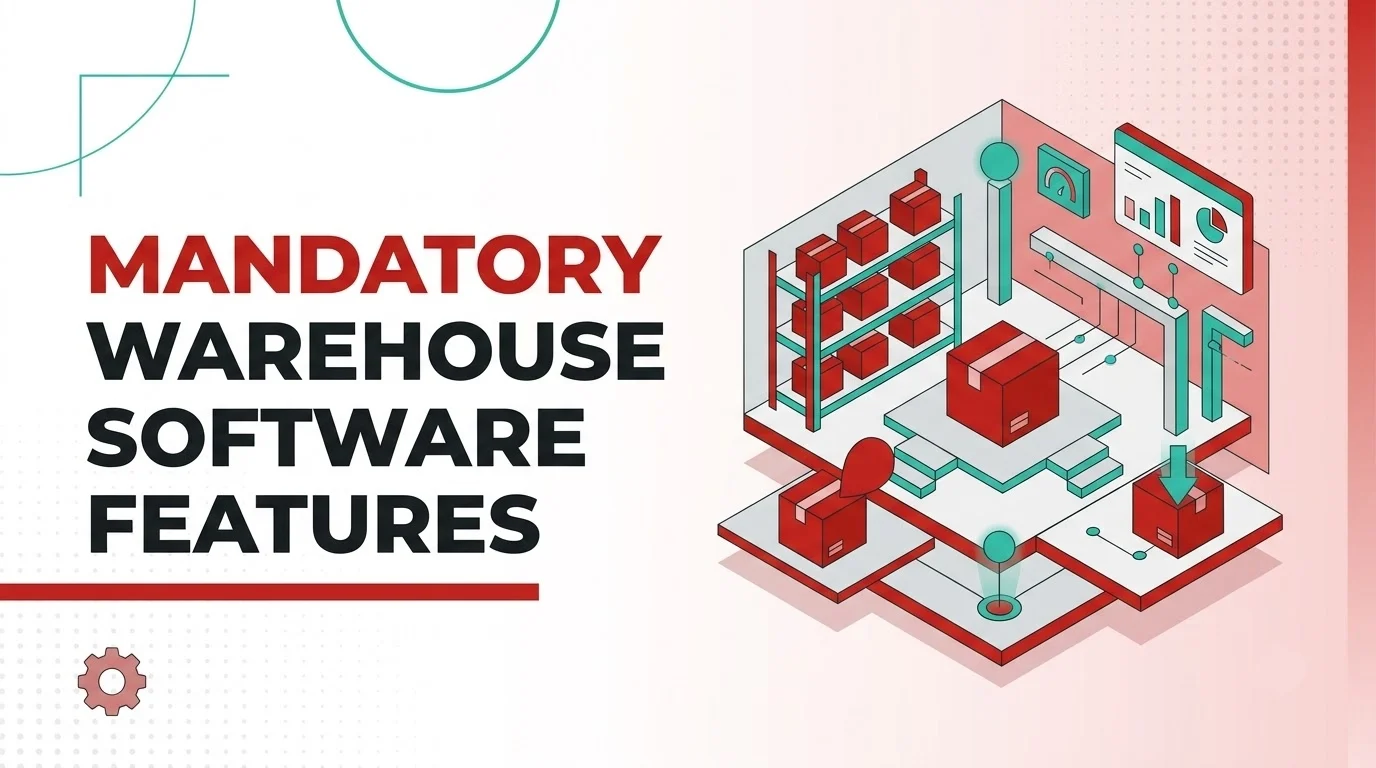
Warehouses are running in the millions in almost every other region. You can see many warehouses that are under the supervision of professional warehouse managers who know how to manage the transit of the products and keep them in the safest place.
Anyhow, a warehouse management software or solution is required to keep track of all the products that are in the inventory and those that are running out of stock.
A Warehouse Management Software is an ideal solution for the management of all attributes and inventories that are available in the warehouse.
So if you are building a WMS, then this blog will give you a better idea of the solution. Here are the features that should be present within the inventories. It helps in improving the visibility, order accuracy, and operational efficiency, which are mentioned below:
Are you excited to explore it with us? Let's get started then…
Interesting Statistics about Warehouse Management Solutions
Here are the necessary statistics related to WMS in the US:
- Rapid Expansion: The global WMS market is projected to skyrocket from roughly $4 billion to over $16 billion by the early 2030s, growing at an impressive compound annual growth rate (CAGR) of over 21%.
- Cloud Dominance: Cloud-based warehouse management solutions dominate the inventory software landscape, capturing nearly 68% of the market
Necessary Features for Warehouse Management Software
Here are the mandatory features for a warehouse management solution:
Inventory Management in WMS
Inventory management solution is the core functionality that any warehouse management software would offer. It offers complete visibility into the stock levels across multiple warehouse locations in real time.
The key features include real-time inventory tracking, SKU and product management, batch and lot tracking, serial number tracking, expiry date management, stock adjustments, along with transfer, and inventory valuation.
The core benefits include a faster receiving process, a reduction in receiving errors, and improved inventory accuracy from the point of entry.
Goods Receiving (Inbound Management) in WMS
The second feature that should be present within any warehouse management solution is goods receiving, such as inbound management.
The key features include purchase order receiving, advanced shipping notice, barcode scanning during receiving, quality inspection, damage reporting, and automated put-away recommendations.
The core benefits include faster receiving processes, reduced receiving errors, and improved inventory accuracy from the point of entry.
Warehouse Location Management in WMS
The third feature to be there for omnichannel fulfillment software is warehouse location management. You know, this feature would enable you to organize the products by warehouse zones, aisles, and racks, along with shelf management for maximizing the storage efficiency.
The key features include bin management, rack, shelf, and zone management. Dynamic storage allocation and warehouse mapping with empty location identification. Benefits include faster product retrieval, better warehouse organisation and increased storage capacity.
Order Management in WMS
The fourth feature would include order management that enables businesses to process customer orders that should be done accurately from the receipt to shipment process.
The key features include sales order processing, order allocation, priority order management, and backorder management with partial order fulfillment and order status tracking with order history management.
Benefits for the warehouse management system include faster order processing, reduced fulfillment errors, and improved customer satisfaction levels.
Risk Factors linked with Warehouse Management Solution
Here are the risk factors linked with the warehouse management software:
Implementation Delays:
If you are planning to implement any warehouse management solution, then you may experience delays due to inadequate planning, limited resources, and technical challenges that come with poor project management skills.
This entire process leads to delays, and it may increase the project costs and disturb the normal warehouse operations.
Data Migration Risks:
The second risk linked to the implementation of warehouse management software is data migration, where movement from the legacy to the modernised system may cause errors and delays.
Perhaps, the transition from the legacy system to another might take time, but it won't be an inaccurate or incomplete data migration with discrepancies or misplacement of data. With proper data validation and testing, it's easier to manage the stuff and minimise the risk factor.
System Downtime:
Minor hardware failure, software bugs, and speed issues can cause the warehouse management solution to become unavailable to both customers and admin both. It causes downtime and interrupts the warehouse activities, delays in order fulfillment, and negatively impacts the customer satisfaction rate.
Cybersecurity Risks
You know, a warehouse management solution stores all kinds of sensitive data related to the products, and the third-party associations that are delivering the stuff to the customers. The potential target for cyber threats like malware, ransomware, and unauthorized access can cause the data to be compromised by the customers.
Strong security controls that include encryption and multifactor authentication are necessary for protecting the system from unauthorised access.
User Adoption and Training Risks
Employees are resisting adopting the new warehouse management solution and may not receive the training for using the software effectively. A poorly designed user adoption may reduce productivity, increase operational errors, and limit the overall benefits linked to the system.
A complex, newly developed warehouse management solution that confuses admin and warehouse officers would be of no use; instead, it would increase the chances of errors, even prone to error conditions.
Wrapping up
And we are done for the day. We hope you all enjoyed reading about the warehouse management systems and all the necessary features that should be present within it. We also tried to cover up the risk factors to make things clear to the management, and how they can build a software solution that is 100% customer-centric and meets the quality standards. If you think we have missed anything within the blog, then feel free to share your thoughts. We would love to hear from you. Happy Reading.