 Vipin PG
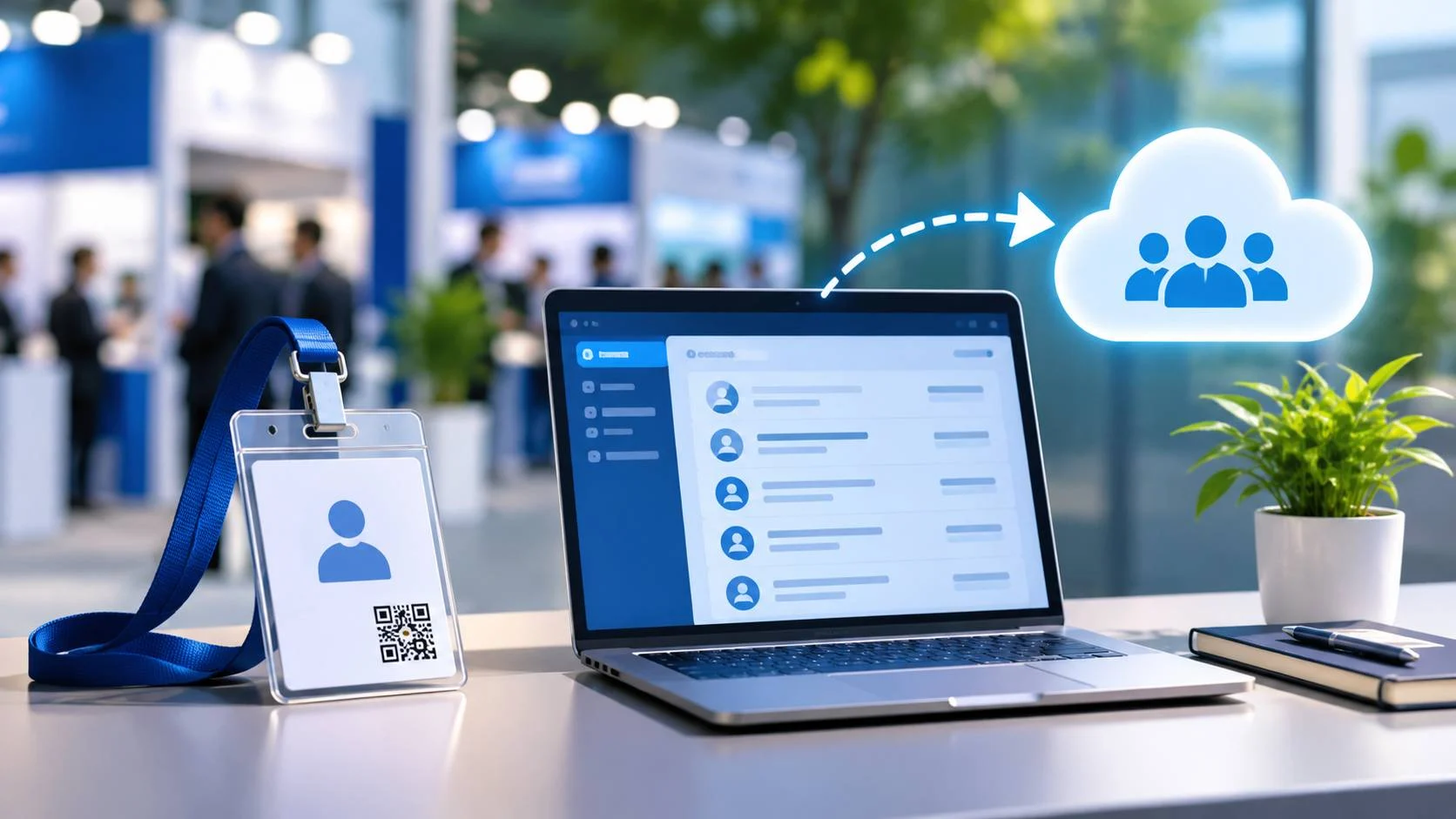
Trade shows are expensive. You pay for the booth, the travel, the team, and the branded swag, and then half the contacts you collected sit in a pile of business cards that nobody touches again until the next event. If that sounds familiar, you’re not alone. The real headache isn’t the events themselves; it’s that most teams don’t have a clear system for moving contacts from the booth floor into a CRM in a way that keeps context intact. Learning how to keep event contacts organized from booth to CRM is less about working harder after the show and more about setting up the right process before you ever get there.
Why Booth Contact Data Breaks Down Before It Ever Reaches Your CRM
The messiest part of any event isn’t the setup or the teardown – it’s what happens to contacts in the hours and days after. Most teams rely on a patchwork of tools when they look for trade show lead management software that fits their workflow, and that search often reveals just how fragmented the typical booth process really is. You collect a badge scan here, a business card there, a note typed into someone’s phone, and maybe a spreadsheet row filled in by a rep who’s already on a flight home. None of these live in the same place. None carry the same level of detail. And by the time someone tries to reconcile them Monday morning, the context behind each contact – what they asked about, what stage they’re at, what follow-up they need- is mostly gone. This is where leads die; not from lack of effort, but from lack of structure.
Business Cards and Paper Notes Don’t Scale
The business card is a cultural fixture at trade shows, and it’s also one of the most effective ways to lose contact data. Cards get shuffled into badge lanyards, jacket pockets, and laptop bags. Some get photographed and uploaded to a contacts app that nobody checks. Some get transcribed into a CRM two weeks later with typos in the email field, and by then, good luck remembering who that person even was. The bigger your booth traffic, the worse this gets. A team running a mid-size booth at a major industry event might collect 200 to 400 business cards over three days. Manually entering that volume of data accurately, with notes about each conversation, isn’t realistic. And even if someone does enter them, the contacts arrive in the CRM as cold, context-free records with no tags, no source tracking, and no link to what was actually discussed on the floor. That’s not a lead pipeline; it’s a list of names.
Timing Kills Context Faster Than Anything Else
There’s a window right after each booth conversation when the details are fresh. What problem the person mentioned, what product they showed interest in, whether they asked for a demo or a pricing sheet – all of that starts fading fast. Wait until the end of the day, and you’ll remember maybe half of it. Wait until after the event ends, and you’re reconstructing conversations from business cards and vague impressions. This is why the timing of your capture process matters as much as the tool you use. Teams that enter notes and tags immediately after each conversation – right at the booth, before the next person walks up- arrive home with a CRM full of qualified, contextualized leads. Teams that batch everything at the end of the event arrive home with a list they don’t trust.
Building a Process That Moves Contacts From Booth to CRM Without the Gaps
A good contact management process for events doesn’t require an overhaul of your entire tech stack. It requires three things done consistently: capture contacts digitally at the point of conversation, tag them with enough context to act on later, and sync them to your CRM the same day. Each of those steps is straightforward on its own. The trick is building a habit around all three so they happen automatically, not as an afterthought. Teams that do this well tend to share one trait: they treat the booth as the first step of a follow-up workflow, not just a place to collect names.
Capture Digitally and Tag Immediately
Scanning a badge or sharing a digital contact card is faster than exchanging paper, but the real advantage is what happens next. Digital capture tools let you attach notes and tags to a contact the moment you meet them, before you’ve moved on to the next conversation. You can tag someone as “decision-maker,” “requested demo,” or “pricing follow-up” in seconds. That tag travels with the contact all the way to your CRM, so whoever handles follow-up knows exactly where the conversation left off. And it doesn’t just apply to outbound capture. If a prospect scans your QR code and fills in their own details, you still get a timestamped, tagged record. No transcription, no guessing, no data entry backlog waiting at the office. The capture happens in real time; your CRM gets clean data instead of a pile of raw information that someone has to sort through later.
Sync and Segment Before You Leave the Floor
The final step – and the one most teams skip – is making sure contacts hit your CRM while the event is still happening, not after. If your capture tool syncs directly to HubSpot, Salesforce, or whatever CRM your team uses, configure that sync before day one. Set it up so every new contact flows through automatically, tagged with the event name and any notes you’ve added. By day two, your sales team back at the office can already see who came in, what they asked about, and what follow-up is needed. So that’s a real operational advantage over teams that return home with a CSV file and a week’s worth of data entry ahead of them. Segmenting by tag – hot leads, warm prospects, general inquiries – takes about five minutes at the booth and saves hours of sorting later.
Conclusion
Keeping event contacts organized from booth to CRM comes down to process discipline, not technology alone. Capture digitally, tag immediately, and sync in real time. Those three habits prevent the data loss and context collapse that make most post-event follow-up feel like starting from scratch. But if your current approach still relies on paper, batch entry, or spreadsheets, the contacts you’re losing aren’t going anywhere; they’re just falling to the competitor who reached out first. The right system makes sure your best booth conversations become your best pipeline opportunities, not forgotten names on a business card you’ll find in your jacket six weeks later.