 Vipin PG

The gap between a dream and a real plan is usually smaller than people think. It is not always about motivation. More often, it is about translation. A dream lives in your head as a picture. A smart goal lives on paper as numbers, dates, and tradeoffs. That shift can feel less exciting, but it is also the moment when progress becomes possible.
A good goal does more than name what you want. It helps you decide what matters this month, what can wait, and what resources you already have. For example, if your dream is a better commute, you might compare saving for repairs, paying down debt, and short term financing options. In some situations, older cars may qualify for a title loan, which may be one route a borrower considers when weighing urgent transportation needs against other financial priorities.
The key is to avoid treating every dream like a single finish line. Most goals work better when they are broken into stages. That is especially true when money is involved, because progress depends on cash flow, timing, and your ability to absorb surprises without blowing up the whole plan.
Start with the pressure point
People often set goals backward. They begin with the ideal picture and then feel discouraged when the path looks expensive or slow. A more practical approach is to start with the pressure point. Ask what problem needs to improve first so the bigger dream can move at all.
If your dream is to go back to school, the first smart goal may not be enrollment. It may be building enough breathing room to handle books, fees, or one reduced workday each week. If your dream is to move, the first goal may be raising available cash each month so your housing options improve. The dream gives direction, but the pressure point tells you where to act.
This matters because a money goal that weakens your day to day stability can work against you. The Consumer Financial Protection Bureau describes financial well being in terms of security and freedom of choice, not just income or willpower. Its financial well being research also explains that people tend to experience financial well being through control over daily finances, the ability to absorb a shock, progress toward goals, and room to make choices. That is a useful test for any plan. If one surprise could erase your progress, the first step is probably too big.
Turn a wish into a rule
Once you know the pressure point, turn the goal into something you can actually follow. “Save more” is not a rule. “Move $40 to savings every Friday” is a rule. “Fix my car” is not a rule. “Get two repair estimates by the 15th and set aside money from three skipped takeout meals each week” is a rule.
This is where smart goals help. The basic idea is simple. A goal should be specific, measurable, achievable, relevant, and time bound. That structure forces you to define what success looks like and when you will check your progress.
A useful goal usually answers five questions:
- What exactly am I trying to change?
- How will I measure movement?
- Why does this matter right now?
- What is the deadline for the next step?
- What will I change if costs or timing shift?
That last question gets ignored too often. Real life rarely follows the neat version of a plan. Hours get cut. A repair bill grows. A family expense appears. A strong goal includes room for revision without turning one setback into total failure.
Use a budget as a decision tool
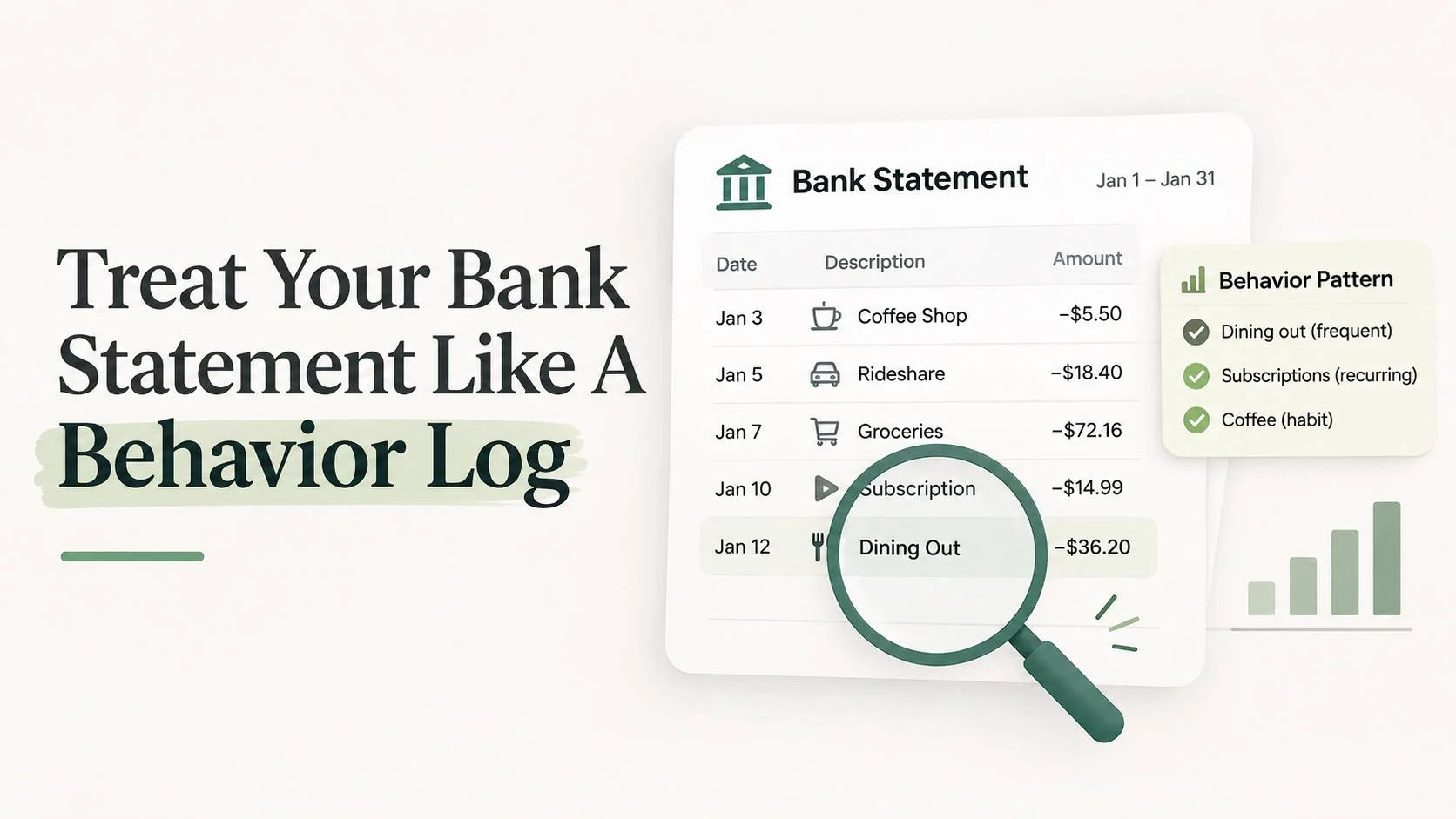
A budget is easier to stick with when you treat it like a working document instead of a moral scorecard. The official monthly budget worksheet from Consumer.gov walks people through listing monthly income, tracking expenses, and subtracting expenses from income to see what is left. That sounds basic, but that is exactly why it works. A useful budget makes tradeoffs visible.
You can also explore these 3 types of financial goals to understand how different financial targets can fit into your budget.
Measure momentum, not just outcomes
One reason people abandon smart goals is that the result can take too long to show up. If your only measure of success is buying the car, finishing the certificate, or taking the trip, you may feel stuck for months. Better goals include momentum markers that prove the plan is moving.
Small markers might include one bill brought current, one automatic transfer set up, one quote collected, or one spending habit changed for a month. These are not side tasks. They are proof that the system is working.
For help keeping track of your spending, you can also read about the best expense and finance tracking applications for Android.
That is also why smart goals should be reviewed, not worshiped. If the facts change, the plan should change. You are not failing when you revise a timeline, lower a target, or choose a bridge step before the full version of the goal. You are responding to reality.