 Vipin PG
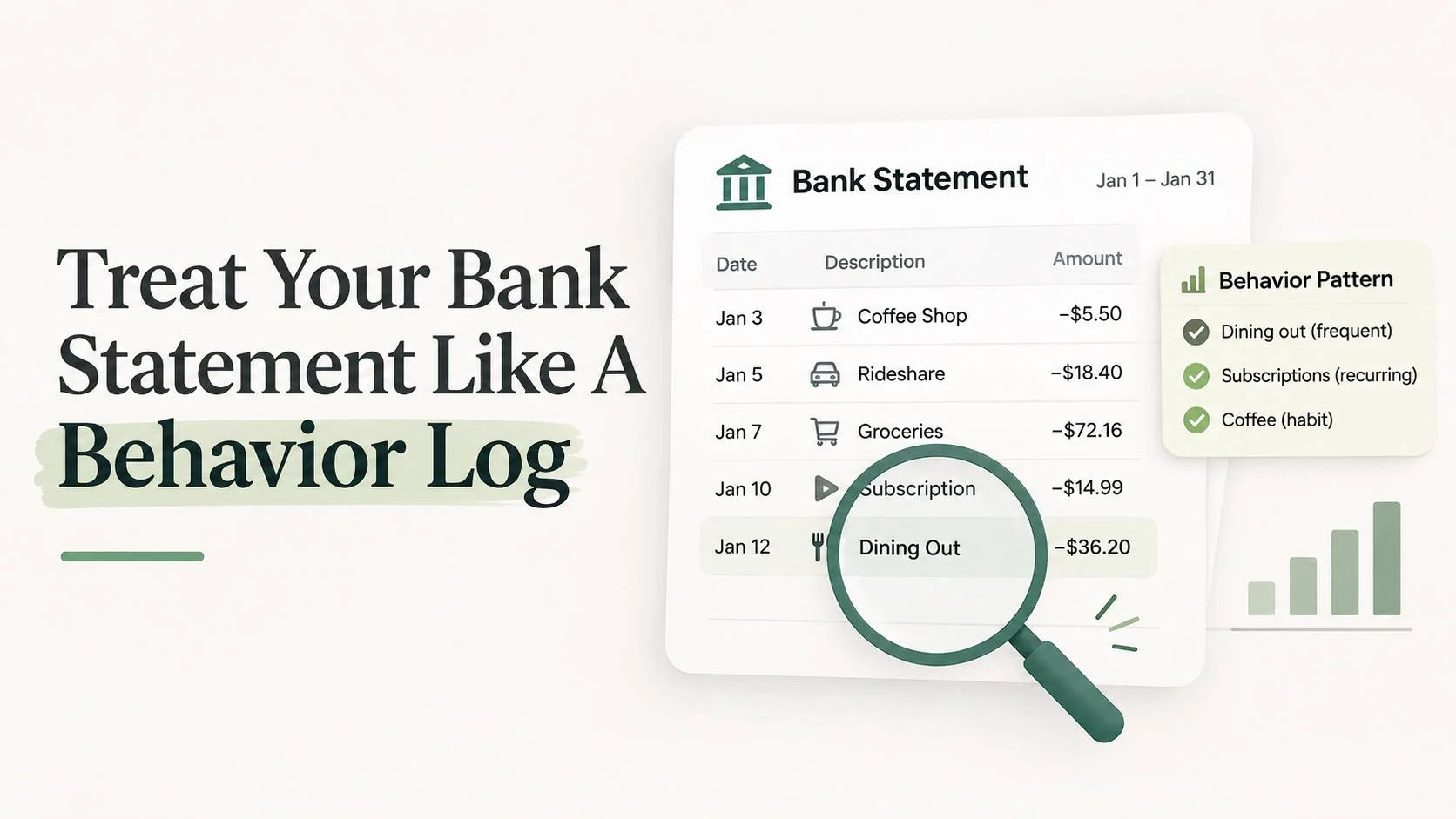
Your bank statement is easy to treat like a receipt archive. Glance at the balance, confirm the paycheck landed, maybe notice the rent cleared, then move on. That habit misses the real value of the document. A statement is not just a record of money moving around. It is a behavior log that shows what your routines are doing, often more honestly than your memory does.
If you read it that way, patterns jump out. Your statement can show whether convenience is quietly getting expensive, whether stress spending tends to happen on certain days, and whether fixed obligations are crowding out flexibility. It can even reveal when borrowing is starting to feel normal, which matters if you are considering bigger decisions later, like whether you can take out more than one home equity loan and still keep your cash flow manageable.
The trick is to stop asking, “What did I spend?” and start asking, “What does this sequence of transactions say about how I operate?” That shift turns a statement into something more useful than a budget worksheet. It becomes evidence.
Look for repeated cues, not just categories
Most people sort spending into categories like groceries, gas, and entertainment. That helps, but it can hide the reason the spending happened. A behavior log asks different questions. What tends to happen right before a food delivery purchase? Do convenience buys cluster on late work nights? Do impulse purchases show up the day after payday?
Think in loops. A cue happens, then a response, then a financial consequence. Your statement will not tell you your mood, but it often shows your timing. If a cluster of small purchases keeps appearing every Friday afternoon, that is probably not random. If several streaming or app charges hit in the same week each month, that can create a squeeze that has nothing to do with your income and everything to do with timing.
This is also where you catch silent friction. The Consumer Financial Protection Bureau explains that banks and credit unions may charge overdraft fees in connection with checks, electronic payments, or debit cards, and that consumers should understand account features and terms before relying on them. The same agency also notes that for ATM and one time debit card transactions, institutions generally cannot charge overdraft fees unless the consumer has opted in to that service. See the CFPB’s guidance on avoiding debit card overdrafts. A statement helps you see whether your real problem is low income, bad timing, or a fee generating account setup.
Read the middle, not just the top and bottom
Most people only read the opening balance and closing balance. The middle is where behavior lives. Scroll through the line items and look for three things:
- Repeats you forgot about
- Timing collisions
- Tiny leaks that add up
Repeats are subscriptions, auto renewals, and routine purchases that have become invisible. Timing collisions are more important than they seem. A perfectly reasonable bill can become a problem if it lands two days before your paycheck, especially when two or three other withdrawals hit at once. Tiny leaks are purchases that do not feel serious on their own but recur often enough to crowd out goals.
The Federal Trade Commission advises consumers to review statements carefully for charges they do not recognize, charges they do not remember agreeing to, or charges that continue after cancellation attempts. Its consumer guidance on stopping unwanted subscription charges also recommends disputing charges when a company keeps billing after you have tried to cancel. That is another reason to treat the statement like a log. It is not just about self awareness. It is part of basic account protection.
Use your statement to map decision fatigue
Some spending is really a time problem in disguise. If your statement shows frequent convenience purchases during the busiest part of the week, the issue may not be discipline. It may be that your system breaks down when you are tired. That changes the fix.
For example, a run of lunch purchases near your workplace could mean you need a better meal routine, not a stricter lecture. Several transfer fees near month end could mean your bill schedule needs adjusting. Repeated small purchases late at night could mean your phone has become a checkout lane whenever your guard is down.
When you frame spending as behavior, you stop moralizing every charge. You look for conditions. What was happening around the purchase? What made the expensive option the easy option? That leads to changes you can actually keep.
Build rules from evidence
Once you spot patterns, create rules that respond to them directly. Keep them simple and specific.
If grocery top ups keep happening three times a week, plan one bigger trip and one backup list. If automatic payments bunch up early in the month, move due dates where possible. If one merchant keeps surprising you, turn on alerts or cancel the service. If overdraft risk keeps appearing, choose a rule that prevents the chain reaction before it starts.