 Vipin PG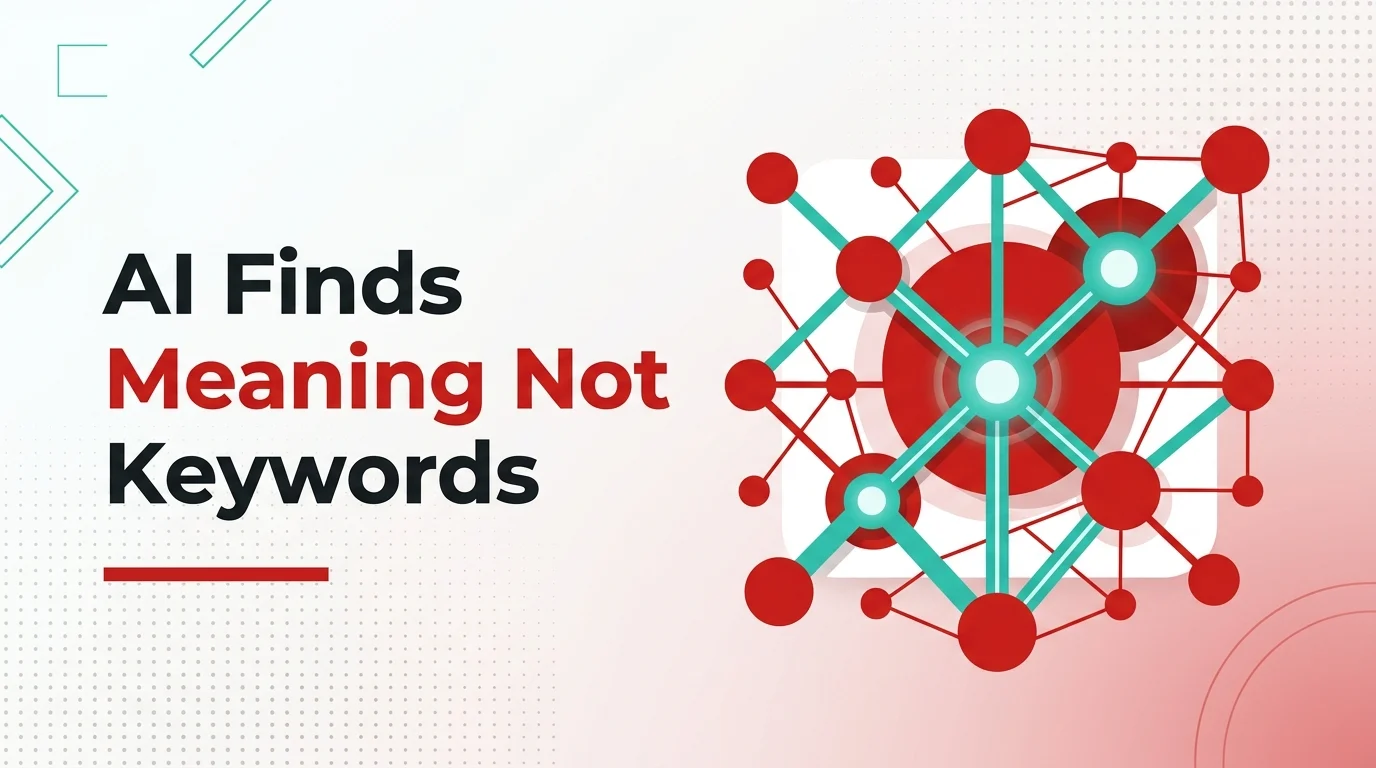
Search used to reward the page that repeated a phrase the most times. That era is over. Modern search engines and AI systems no longer scan for matching strings — they interpret meaning, context, and the relationships between concepts. This shift, broadly called semantic AI, is quietly rewriting the rules for how content gets discovered, understood, and cited.
AI Podcast Generator: A Case Study in Semantic Depth
Take a concept like the AI podcast generator — a tool category that, on the surface, sounds simple enough to target with a single keyword-optimized page. But a semantic system doesn’t evaluate that page by counting how many times the phrase appears. It evaluates whether the page actually demonstrates understanding of the concept: what an AI podcast generator does, how it fits into the broader landscape of AI content creation, what related tasks it solves (scripting, multi-voice narration, audio editing), and how it connects to adjacent tools someone in that space would also care about.
This is the difference between keyword coverage and conceptual coverage. A page that thoroughly explains how audio generation, voice synthesis, and automated editing relate to one another signals genuine topical authority. A page that just repeats “AI podcast generator” in every paragraph signals the opposite — and modern ranking systems are built specifically to tell the two apart.
Why Semantic Understanding Changes Everything About AI-Era Search
The reason this matters more now than it did five years ago comes down to how people actually get answers today. Google’s AI Overviews, ChatGPT, Perplexity, and similar systems don’t hand someone ten links to sort through — they synthesize a direct answer, drawing from sources that most clearly and completely represent the concept being asked about.
That synthesis process rewards semantic clarity in a very specific way: an AI system needs to be confident it understands what a page is actually about before it will cite that page in a generated answer. Ambiguous, thin, or repetitive content doesn’t get selected — not because it’s penalized, but because it simply doesn’t provide the conceptual clarity these systems are built to extract.
Building Content Around Concepts, Not Phrases
In practice, this means shifting from a keyword list to a topic map. Instead of asking “what keyword should this page target,” the better question is “what does someone need to understand completely before they’d trust this page as an authority on the topic?”
That reframing changes how content gets structured:
- Lead with the concept, not the phrase. Explain what the tool or idea actually does before worrying about where the exact keyword sits.
- Cover the surrounding landscape. A page about one AI tool should acknowledge the adjacent tools and use cases a real expert would naturally mention.
- Use varied, natural language. Semantic systems are built to recognize synonyms and related phrasing — rigid repetition of one exact phrase reads as manufactured, not authoritative.
- Structure for extraction. Clear headers, direct answers early in each section, and well-organized comparisons make it far easier for both human readers and AI systems to pull out the specific fact they need.
The Bigger Shift Behind Semantic AI
What’s really happening is that “relevance” itself has been redefined. It used to be a matching problem — find the right words in the right place. Now it’s a comprehension problem — does this content demonstrate real, connected understanding of what it claims to cover. That’s a much higher bar than keyword density ever was, but it’s also a fairer one: it rewards genuinely useful, well-organized content over content engineered purely to game a matching algorithm.
Brands that build content this way aren’t just optimizing for a ranking factor. They’re building the kind of clear, interconnected topical authority that both search engines and AI systems are specifically designed to recognize and trust — whether the entry point is a search results page, a chatbot answer, or a tool like an AI product ads generator helping a business turn that same understanding into finished marketing assets.