 Vipin PG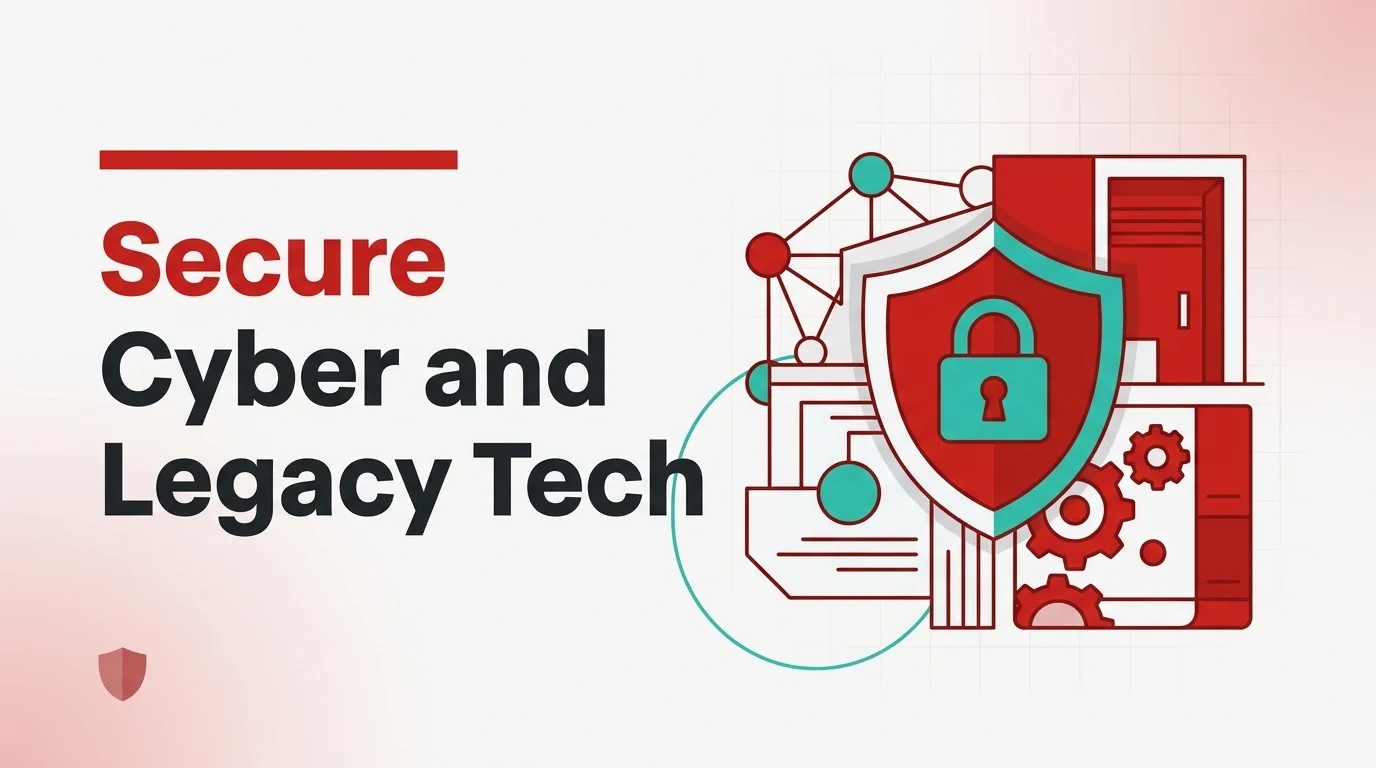
IT leaders today face an incredibly stressful balancing act. On one side of the server room, you have aging, fragile infrastructure that runs the core functions of your business. On the other side, you face a daily barrage of highly sophisticated, rapidly evolving cyber threats.
Keeping those older systems alive requires immense effort and capital. In fact, up to 80% of companies’ IT budgets are spent keeping old IT systems afloat. This financial drain leaves little room for innovation, putting IT managers in a tight spot. You cannot simply turn off a mission-critical server, but leaving it exposed is equally unacceptable.
Navigating the complexities of outdated infrastructure while defending against modern threats requires more than a quick software patch. It requires a comprehensive IT roadmap. You need a planned, structured transition that protects your current assets while building toward the future.
The Heavy Toll of Legacy Technology
When we talk about legacy systems, age is only part of the equation. A system becomes “legacy” when it loses its ability to integrate with modern security standards, cloud environments, or new business processes. A five-year-old application can be considered legacy if the original vendor goes out of business and stops releasing updates.
Despite their technical limitations, these systems often power critical daily operations. A manufacturing plant might rely on a decade-old machine controller to keep the assembly line moving. A healthcare clinic might depend on an older database to access historical patient records. You cannot just pull the plug on these tools without halting business entirely.
However, the longer these systems remain active on your network, the more technical debt your organization accumulates. Technical debt is the implied cost of future rework. By choosing a temporary, easy fix now instead of a proper upgrade, you guarantee a more expensive and difficult repair down the road.
Why Aging Infrastructure is a Cybersecurity Liability
When software no longer receives security patches, it becomes a permanent liability. Cybersecurity is a constant arms race. When researchers discover a new vulnerability in an EOS operating system, the vendor will not issue a fix. That vulnerability becomes a permanently open door for cybercriminals to walk through.
This makes older technology a primary target for ransomware and malware attacks. Hackers actively scan for outdated software because they know it offers the path of least resistance. In fact, vulnerabilities in End-of-Life (EOL) or End-of-Support (EOS) systems are 4 times more likely to be weaponized by attackers.
Reducing that risk takes more than replacing outdated hardware; it requires a long-term strategy for monitoring, securing, and modernizing your environment without disrupting daily operations. That’s where PCM, a managed IT and cybersecurity provider, helps organizations strengthen their security posture while planning practical upgrades that keep legacy systems protected until they’re ready for replacement.
Evolving Risks and Compliance Hurdles
Beyond the immediate threat of a data breach, aging infrastructure creates severe regulatory headaches. Modern compliance frameworks demand strict data encryption, multi-factor authentication, and detailed access logging. Legacy systems simply were not built to support these features.
This makes it nearly impossible to meet modern compliance standards and pass security audits. If you operate in finance, healthcare, or government contracting, failing an audit can lead to massive fines or lost contracts.
IT leaders feel this friction daily. You want to innovate and adopt new cloud technologies, but you are anchored down by the need to secure a fragile foundation. Industry research confirms this widespread anxiety. Currently, 32% of CIOs report that legacy technology is a top challenge for cybersecurity and risk management.
Strategic Approaches to Bridging the IT Gap
When to Maintain, Upgrade, or Replace
Deciding what to do with aging systems requires a practical, structured framework. You need to balance your current IT budget with your long-term business goals, all while minimizing operational downtime. Not every old server needs to be thrown in the trash today.
Sometimes, maintaining a system with strict security guardrails is the right short-term financial move. In other cases, a partial software upgrade can extend the life of your hardware. When a system becomes a critical security risk or actively prevents business growth, a full replacement is the only responsible choice.
To help evaluate your infrastructure without causing business disruption, use the following criteria to guide your decisions:
| Action | Cost Impact | Security Risk & Mitigation | Business Disruption |
|---|---|---|---|
| Maintain | Low immediate cost, but high hidden maintenance costs over time. | High risk. Requires heavy isolation and strict network segmentation. | Low disruption. Daily operations continue exactly as usual. |
| Upgrade | Moderate cost for partial software patches or minor hardware additions. | Medium risk. Updates address known vulnerabilities and buy you time. | Moderate disruption. Requires scheduled downtime and testing. |
| Replace | High upfront capital expenditure to transition to a modern solution. | Low risk. System aligns perfectly with modern security and compliance standards. | High disruption. Requires a phased rollout, data migration, and staff training. |
The Role of an IT Partner in Your Modernization Roadmap
The reality for most internal IT teams is that they lack the bandwidth to manage everything at once. Monitoring modern cyber threats requires constant vigilance, and nursing antiquated systems back to health requires time. Trying to do both simultaneously is a recipe for employee burnout.
Partnering with an external Managed Service Provider (MSP) provides the specialized talent needed to bridge this gap. An MSP with deep historical roots in the industry understands both ends of the spectrum. They have the hands-on experience required to safely audit your aging infrastructure without accidentally breaking it.
The right IT partner works alongside you to build a customized, flexible modernization roadmap. They help you integrate old technology with modern cloud standards at a pace your business can afford. They handle the complex security integration, allowing your internal team to focus on daily operations.
Most importantly, a good partner communicates in plain English. They ensure IT leaders and business executives fully understand the strategy. You get a clear picture of your security posture without being bogged down by confusing technical jargon.