 Vipin PG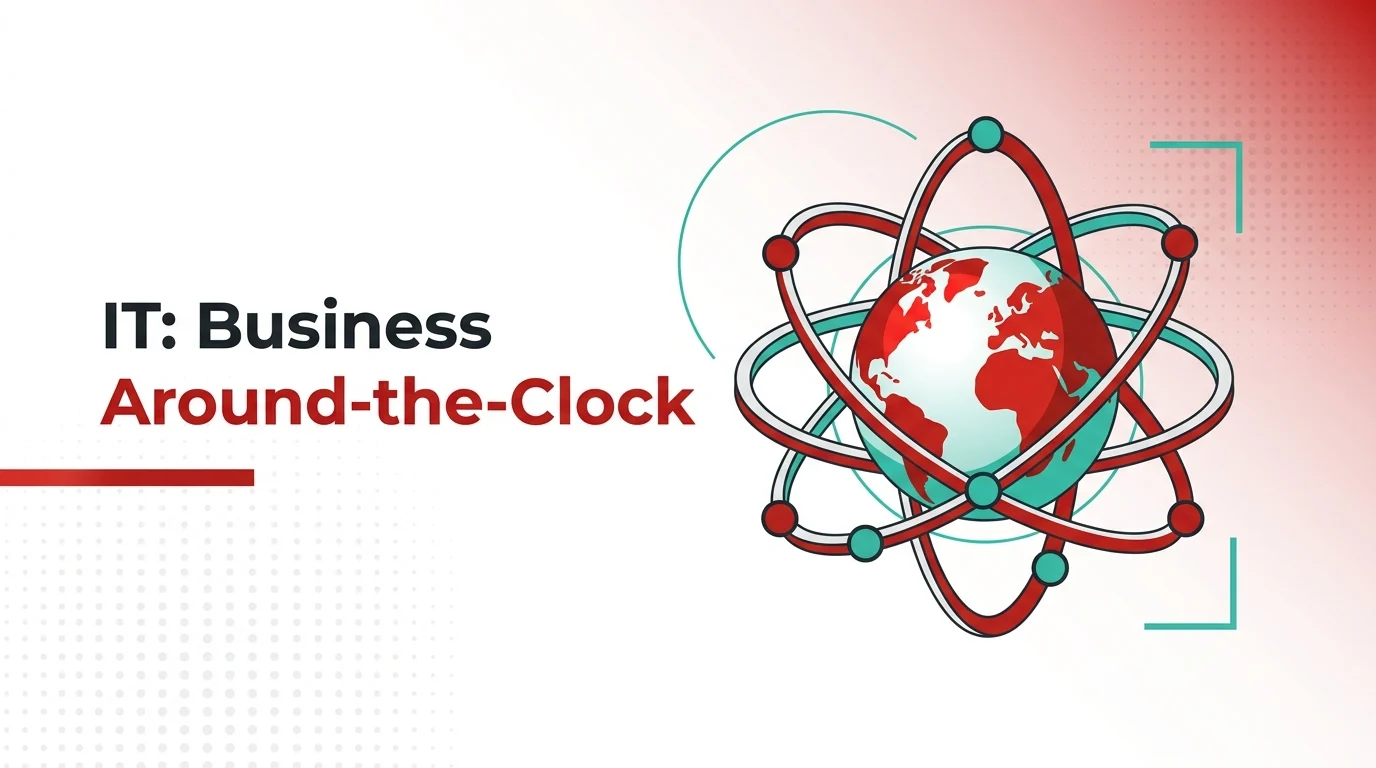
Picture the start of a typical workweek. Instead of diving into client projects or processing new orders, your operations team is staring at frozen screens. They are waiting on hold with software vendors, trying to recover lost files, and rebooting routers.
As an operations manager or business leader, watching your staff waste valuable time wrestling with technology is incredibly frustrating. You hired experts to generate revenue and drive your business forward, not to act as amateur computer technicians.
When technology constantly gets in the way of actual work, your company suffers from "digital friction." This refers to the unnecessary effort employees must exert simply to use their workplace technology. It severely drains workforce productivity, crushes team morale, and kills task efficiency.
How Proactive IT Frees Your Team to Actually Work
Managed IT services operate on a completely different philosophy than the traditional repair model. Instead of waiting for system issues to escalate and disrupt operations, you have a 24/7 outsourced IT department working behind the scenes to maintain stability, performance, and reliability across your entire infrastructure. This proactive approach, delivered through providers like VTech Support, helps ensure that small technical issues are identified early, before they turn into costly downtime or business interruptions.
This proactive approach involves around-the-clock monitoring of your entire network infrastructure. Dedicated technicians constantly scan for failing hard drives, outdated software, and potential security vulnerabilities.
| Feature | Reactive "Break-Fix" IT | Proactive Managed IT |
|---|---|---|
| Response Time | Days or hours (after the system fails) | Immediate (issues fixed before failure) |
| Billing Structure | Unpredictable hourly rates | Predictable flat-fee monthly rate |
| System Updates | Ignored until software breaks | Automated and handled off-hours |
| Business Focus | Putting out daily technology fires | Strategic growth and innovation |
Think about the daily bottlenecks that cause digital friction in your office. Your team likely deals with forgotten passwords, confusing software updates, and misbehaving printers. Offloading these daily help-desk tickets to a dedicated support team removes these hurdles entirely.
When an employee has a technical issue, they simply contact the help desk and get an immediate resolution. They do not have to bother the operations manager or waste an hour searching for solutions online.
Furthermore, your managed service provider handles vendor management. If your specialized accounting software has a glitch, your outsourced team calls the software vendor to troubleshoot the problem. Your internal team gets an immediate boost in morale because they are free to focus strictly on the jobs you hired them to do.
Taking Control of Your Budget with "No Surprise Billing"
Financial forecasting is a major source of stress for business leaders managing their own technology. A single catastrophic network outage can blow through your entire annual IT budget in a single weekend.
Managed IT services solve this executive pain point by offering a predictable, flat-fee pricing model. You pay a set monthly rate for comprehensive monitoring, maintenance, and support.
This model allows operations managers to accurately forecast their budgets for the entire year. You know exactly what your technology expenses will be every single month. There are no sudden invoices for emergency weekend server repairs or unexpected hardware diagnostic fees.
More importantly, the "no surprise billing" model perfectly aligns the IT provider's goals with your business goals.
In a traditional break-fix setup, the IT guy only makes money when your business suffers a disruption. They are financially motivated by your technology failing. A managed service provider, operating on a flat fee, loses money if they have to constantly send technicians to fix your network. Both parties are now financially motivated to achieve zero downtime.
Stop Maintaining and Start Innovating: The Role of a Virtual CIO
Growing companies in heavy industries like manufacturing, medical, or energy often hit a technological ceiling. Their internal resources are completely consumed by daily help-desk requests, leaving zero time to plan for the future.
This is where a Virtual CIO (vCIO) becomes essential. A vCIO is an experienced executive-level consultant provided by your managed IT partner. They do not just fix computers; they align your technology infrastructure with your long-term operational goals.
Unfortunately, most internal teams are stuck in a cycle of constant maintenance.
Research shows that organizations typically spend over 70% of their IT budgets simply on maintenance activities, leaving very little room for innovation.
A vCIO actively helps you shift your budget away from just keeping the lights on. They analyze your workflow and recommend strategic upgrades. If you run a manufacturing plant, a vCIO might map out a transition to cloud-based inventory tracking. If you manage a medical clinic, they will design a secure telehealth infrastructure.
By offloading daily maintenance to the help desk and trusting high-level planning to a vCIO, your business can finally stop treading water. You transform technology from a frustrating roadblock into a tool that actively drives your company forward.
Protecting the Bottom Line: Cybersecurity and Compliance
Attempting to manage complex cybersecurity internally without dedicated experts is incredibly risky. The threat landscape changes daily, and hackers specifically target mid-sized businesses that lack enterprise-level defenses.
For highly regulated sectors like legal, healthcare, and energy, the stakes are even higher. A single data leak can result in massive regulatory fines, lost client trust, and crippling lawsuits. Tracking continuous compliance for regulations like HIPAA or SOC 2 is a full-time job that most internal operations managers simply do not have the time to handle.
Outsourcing your security to a managed provider is not just an IT decision. It is an absolute financial necessity.
A managed IT partner protects your bottom line through continuous, proactive defense. They deploy advanced endpoint encryption, manage secure employee access, and conduct regular vulnerability scans.
Most importantly, they manage your data backups. If a ransomware attack does occur, a proper managed service provider can isolate the threat and restore your entire system from secure, off-site backups within hours. You avoid paying a ransom, bypass the crippling costs of a breach, and keep your business running smoothly.
Conclusion
Outsourcing your IT operations is the ultimate operational hack for efficiency-driven businesses. It completely eliminates the technical bottlenecks that cause digital friction, stabilizes your monthly expenses, and empowers your staff to do their best work.
A comprehensive managed IT solution gives you access to a 24/7 help desk, predictable flat-fee billing, and proactive cybersecurity defenses. This combination shifts your technology from a frustrating, unpredictable expense into a reliable productivity engine.