 Vipin PG
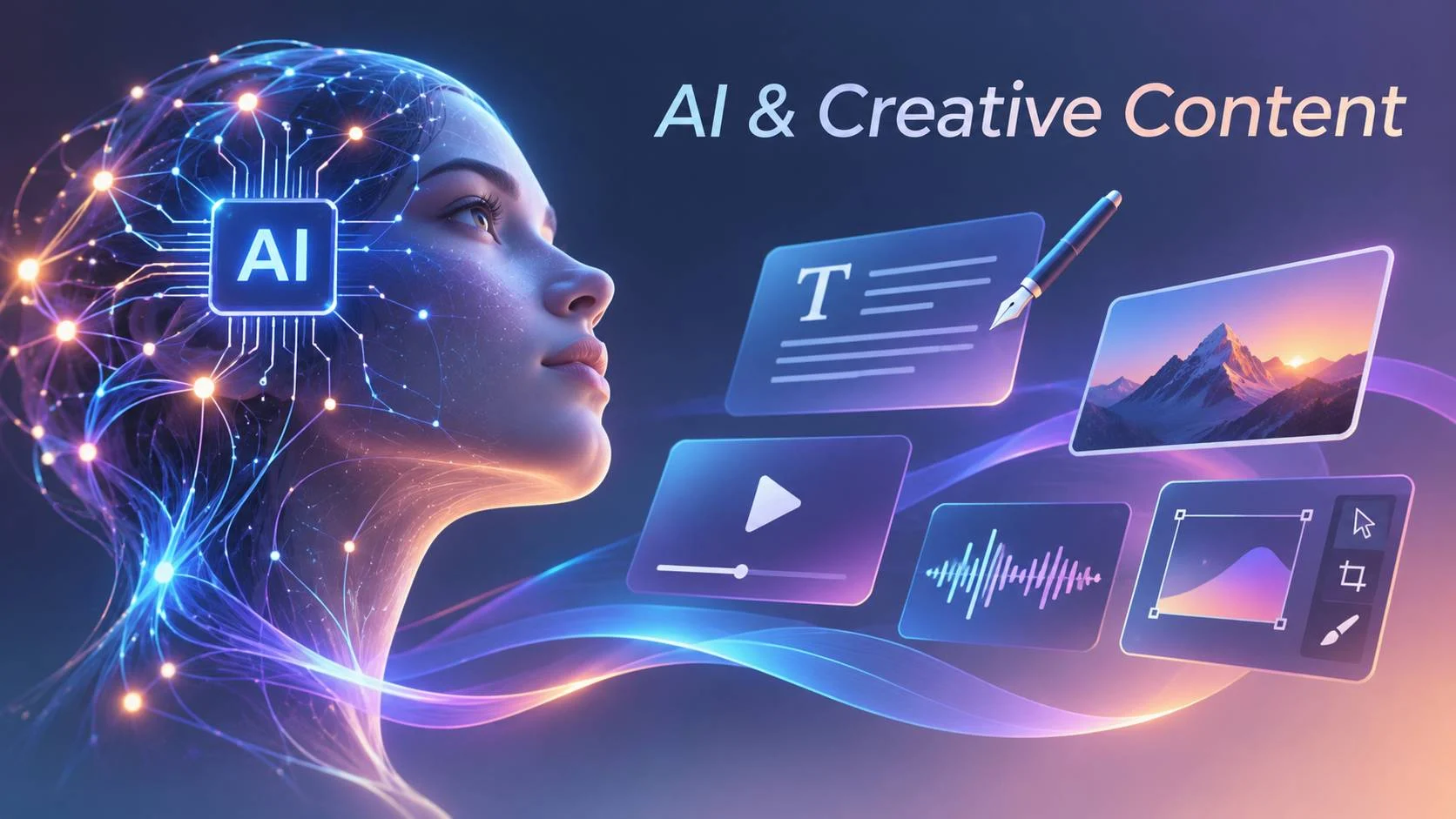
Artificial intelligence is changing the way people create, communicate, and share information online. What once required specialized software, technical expertise, and hours of manual work can now be accomplished with intelligent tools that simplify complex creative processes. From generating realistic visuals to producing natural-sounding audio, AI is making digital content creation more accessible to individuals, businesses, and creative professionals.
As digital platforms continue to demand fresh and engaging content, AI-powered solutions are becoming an important part of modern creative workflows. Their ability to automate repetitive tasks, accelerate production, and support new ideas is reshaping industries such as marketing, education, entertainment, and online publishing.
The Growing Role of AI in Digital Content Creation
Content creation has traditionally involved several stages, including research, writing, graphic design, editing, and distribution. Each stage requires time and coordination, particularly for teams managing multiple digital channels.
AI tools are helping streamline these processes by assisting with everything from brainstorming and visual development to audio production. Instead of starting every project from scratch, creators can use AI to generate initial concepts, experiment with different creative directions, and refine their results.
This shift does not eliminate the need for human creativity. Rather, it gives creators more flexibility to focus on storytelling, originality, and strategic decisions while technology handles some of the time-consuming production work.
AI Image Generation Is Changing Visual Communication
Visual content plays a major role in how audiences interact with digital platforms. Whether it is a social media graphic, product advertisement, website illustration, or presentation, compelling imagery can make information easier to understand and more memorable.
Modern AI image generators allow users to transform written descriptions into visual concepts within seconds. These systems can interpret prompts, understand different artistic styles, and produce images for a wide range of creative applications.
Emerging technologies such as GPT Image 2.6 reflect the growing interest in more advanced AI-powered visual creation. Developments in this area highlight how image-generation technology is evolving toward more detailed outputs, improved prompt interpretation, and greater creative flexibility.
For marketers, designers, and content creators, these capabilities can reduce production time and make visual experimentation more accessible. They can explore multiple concepts, compare different styles, and develop creative assets without relying entirely on traditional design processes.
AI-Powered Audio Is Making Content More Accessible
While visual content attracts attention, audio has become equally important in modern digital communication. Podcasts, online courses, product demonstrations, audiobooks, and video content all depend on effective audio experiences.
One technology gaining considerable attention is AI text to speech, which converts written text into spoken audio using artificial intelligence. Unlike traditional robotic voice systems, modern solutions can produce increasingly natural speech with improved pronunciation, pacing, and vocal expression.
This technology offers several practical applications:
- Educational content: Teachers and course creators can convert written learning materials into audio lessons.
- Digital marketing: Businesses can produce voiceovers for promotional videos and advertising campaigns.
- Accessibility: Websites and publishers can make written information easier to consume for people who prefer listening.
- Content localization: Creators can develop audio versions of content for audiences across different languages and regions.
- Podcast production: Publishers can transform articles, scripts, and other written resources into audio-based content.
As these tools continue to improve, producing professional-sounding audio is becoming more convenient for individuals and organizations with limited production resources.
Combining AI Images and Audio for Better Storytelling
One of the most interesting developments in digital creativity is the ability to combine multiple AI technologies within a single workflow.
For example, a marketing team developing a product campaign might begin by using an AI image generator to explore visual concepts. After selecting a suitable direction, the team can create a script and use an AI voice generator to produce narration.
These elements can then be combined into a promotional video with background music, captions, and additional visual effects.
This approach can be useful for:
- Social media campaigns and short-form videos.
- Educational explainers and tutorials.
- Product demonstrations and advertisements.
- Brand storytelling and promotional presentations.
- Digital courses and informational content.
By connecting different creative technologies, businesses can develop consistent multimedia content without managing an unnecessarily complicated production process.
How AI Is Improving Productivity for Businesses
For businesses, the value of AI extends beyond creative experimentation. It also provides opportunities to improve operational efficiency and manage increasing content demands.
Small businesses can use AI tools to create marketing materials without maintaining large production teams. Agencies can accelerate content development for multiple clients, while independent creators can experiment with formats that might otherwise require significant financial investment.
AI-powered automation can also help organizations maintain consistency across their communication channels. For instance, a single written concept can be adapted into a blog article, a narrated video, social media graphics, and an audio presentation.
However, businesses should approach automation strategically. Human review remains essential for maintaining factual accuracy, brand consistency, originality, and audience relevance.
Challenges and Considerations When Using AI Tools
Despite their advantages, AI-powered creative technologies still have limitations. Generated images may contain visual inconsistencies, while synthetic voices can occasionally misinterpret pronunciation, tone, or context.
Copyright, data privacy, transparency, and responsible usage are also important considerations. Organizations should understand the licensing conditions of their chosen platforms and review AI-generated material before publishing it.
The most effective approach is to treat AI as a creative assistant rather than a complete replacement for human judgment. Combining automated capabilities with professional oversight generally produces more reliable and meaningful results.
The Future of AI-Powered Creativity
Artificial intelligence is likely to become increasingly integrated into everyday creative workflows. Improvements in image generation, voice synthesis, video production, and multimodal systems will continue to reduce the technical barriers associated with digital content creation.
Future tools may offer more seamless ways to move between written ideas, visual assets, and spoken presentations. This could allow creators to develop complete multimedia experiences from relatively simple starting concepts.
For businesses and individuals alike, understanding how these technologies work will become an increasingly valuable skill.
Ultimately, the biggest opportunity lies in combining technological efficiency with human imagination. AI can accelerate production and expand creative possibilities, but meaningful storytelling, originality, and strategic thinking will continue to distinguish successful digital content.