
A fresh security alert is pushing millions of users to update their browsers after Google released an emergency fix for Chrome to address a serious zero-day vulnerability already being exploited online.
The update, rolled out outside the regular release schedule, patches a flaw identified as CVE-2026-2441, a critical issue that security researchers say could allow attackers to execute malicious code simply by convincing someone to visit a compromised website.
While most users will only notice a small “Update Chrome” notification in the corner of their screen, cybersecurity analysts say the patch reflects a much larger and ongoing battle to keep the web secure.
What Happened?
Google confirmed that the flaw was actively exploited before the patch became available. That makes it a zero-day vulnerability — a security hole attackers discover and use before developers can fix it.
According to security disclosures, the issue was buried deep within Chrome’s handling of certain CSS font feature values. In practical terms, that means simply opening a malicious webpage could potentially trigger harmful code.
Chrome runs on:
- Windows
- macOS
- Linux
Given that the browser has more than 2 billion users worldwide, even a narrowly targeted exploit raises significant concern.
Why Zero-Day Vulnerabilities Matter
Zero-day bugs are among the most serious threats in cybersecurity because:
- There is no immediate defense when they are first discovered
- Antivirus tools may not detect the exploit
- Attackers can quietly operate before public awareness grows
In this case, researchers reported that hackers could potentially steal login credentials, access sensitive data, or install additional malware if the flaw was successfully triggered.
Security experts note that these incidents are not rare — but they are critical moments. Each one tests how quickly developers can respond before widespread damage occurs.
Chrome Has Become Infrastructure
Google Chrome is no longer just another app. For many users, it is the gateway to banking, healthcare portals, work dashboards, cloud storage, and communication platforms.
Because of that, vulnerabilities in Chrome do not just affect browsing. They can impact:
- Financial accounts
- Corporate networks
- Personal identity data
- Government systems
This scale is why emergency patches are treated with urgency. Even a short delay in updating can leave systems exposed.
A Pattern Across the Tech Industry
Recent years have seen similar emergency fixes across major platforms, including:
- Windows
- iOS
- macOS
Security researchers say the frequency of these patches reflects a broader reality: modern software is complex, layered, and constantly evolving. Even well-tested systems contain hidden weaknesses.
The difference between a minor incident and a major breach often comes down to response speed.
What Users Should Do Now
If you use Chrome, experts recommend taking a few quick steps:
- Open Chrome
- Click the three dots (top right corner)
- Go to Help → About Google Chrome
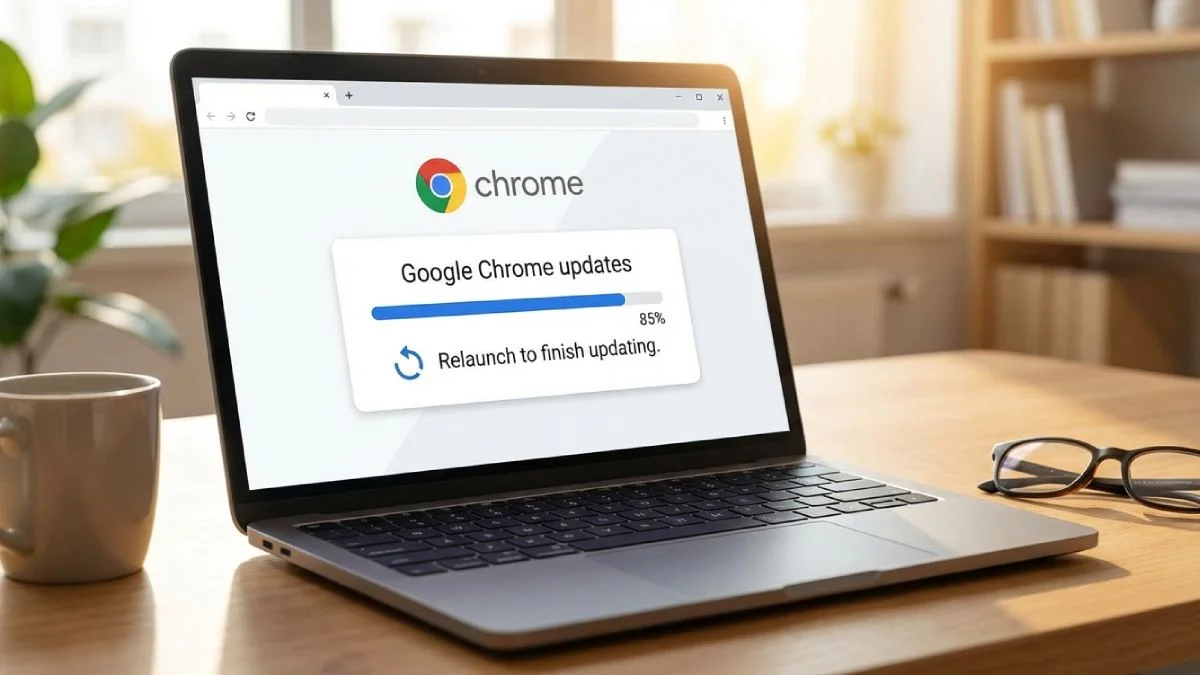
- Allow the browser to update and relaunch
Updates are rolling out automatically in many regions, but manually checking ensures you are protected.
It’s also wise to:
- Enable automatic updates
- Avoid suspicious links
- Keep your operating system up to date
- Use multi-factor authentication where possible
The Bigger Issue: Digital Trust
Incidents like this serve as a reminder that online security is built on constant maintenance. Most users rarely see the teams working behind the scenes — engineers analyzing exploit patterns, researchers tracking threat actors, and security operations centers monitoring unusual activity in real time.
Yet the stability people expect from the internet depends on those invisible efforts.
Cybersecurity professionals often describe today’s web as a patchwork of old and new systems layered together over decades. Even a modern browser like Chrome relies on components that interact with older standards and code.
That complexity creates opportunity — both for innovation and for exploitation.
Why Emergency Updates Will Continue
Industry analysts say emergency patches are likely to remain common for three main reasons:
- Software ecosystems are growing more complex
- Attackers are increasingly sophisticated
- Browsers now function as platforms, not simple viewing tools
The goal is not absolute perfection. Instead, it is rapid detection and containment.
In cybersecurity circles, the working assumption is often not if vulnerabilities will be found, but when.
The Bottom Line
For most users, this update will take less than a minute. After restarting Chrome, everything will look exactly the same.
But behind that routine restart is a reminder: the internet’s stability depends on constant vigilance.
The latest Chrome patch closes one exploited door. Security experts say the next vulnerability is likely already being searched for somewhere else.
Updating promptly remains one of the simplest — and most effective — ways to stay protected.