
Managing your digital identity is not something easy to do, especially these days. But once you learn how to implement all the right tools and adapt it to your region, it will be an extremely useful process. Realistically, we all have a digital identity at this point. It makes a lot of sense to manage it accordingly, and if we do it right, the results can be extremely good every single time.
What does digital identity entail?
For everyone it can be a bit different, since it depends on your digital life. But as a whole, it includes biometric data, social profiles, email addresses, usernames and passwords, purchases and transactions you made online, etc. It can also include behavioral data and digital certificates or authentication tokens that you have, too.Why is it important to manage your digital identity?
The truth is that once you have a digital identity, you want to know what’s included in it. Plus, in case anyone steals it, you want to know what they can access, what you can change and so on. Not only that, but figuring out how to manage your digital identity can make a huge difference, and here’s why:- You will be able to prevent any cases of identity theft or data breaches, both of which can bring a lot of damage to you and your business as a whole.
- Plus, you can enhance your privacy if you secure and manage your digital identity wisely
- A lack of management for the digital identity can lead to reputational harm and a loss of privacy in the long run.
Key components for your digital identity management
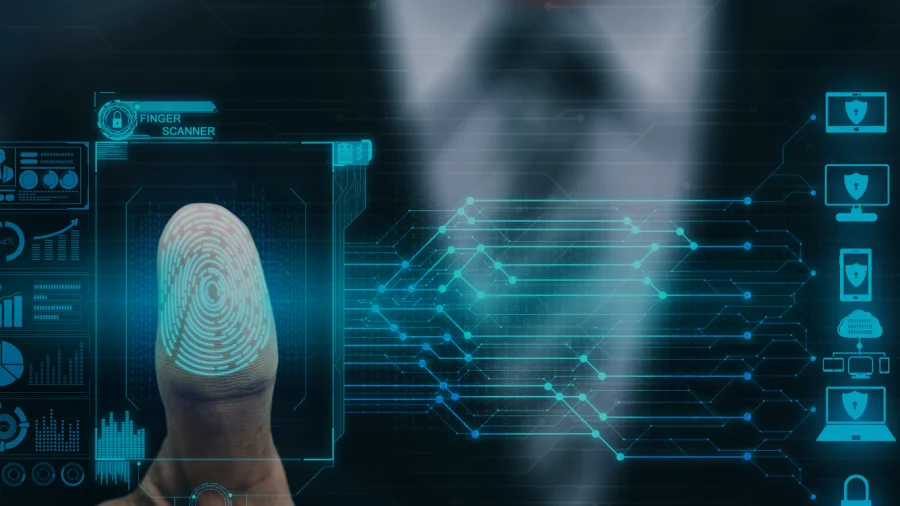
Every digital identity is different, because we all use the internet and the digital world in our own way. But what really matters is figuring out what’s a part of the digital identity, and how you can make the most out of it. That’s going to make things much easier to manage.- Authentication stuff is always relevant, because you want to ensure you show the systems in question that you are the one accessing the content. PINs, passwords, two factor authentication, biometrics, security tokens are all a part of this process.
- The same thing is valid when it comes to authorization, it will figure out what actions and resources you can access once you are authenticated. Most of the time, you will have ABAC and RBAC used as the main models here.
- Identity provisioning and lifecycle management covers biometrics, document checks, third party verification services and so on.
- Audit and compliance are used to track identity changes and usage, but also narrow down access for security monitoring and any regulatory compliance requirements that might arise.
- Privacy and consent management will matter, too. These days, you want to comply with regulations like CCPA, GDPR and so on.
How can you better manage your digital identity?
Always focus on making sure that you protect your personal data and keep it under control. For example, you can do the following:- Start using a utility bill generator to create copies of your utility payments and ensure that you don’t have to worry about any of this data leaking without your consent.
- Try to monitor your digital footprint as much as possible. Searching for your name online is very important, and it will allow you to focus more on protecting your data from going into the wrong hands.
- Don’t click on links or messages that aren’t sent by people you know. Realistically, you want to avoid those suspicious links, because they can be very problematic and you never really know how to manage it all appropriately in the long run.
- Secure your personal devices. Start using a firewall, an antivirus and other things that could help you stay safe. Plus, encryption services can make it harder to access content that you don’t want to fall into the wrong hands. If you start doing this, it will be much harder for attackers to access your data, so try to take that into consideration.
- It helps if you review the privacy settings of social media tools and apps you use. Focusing more on your privacy might not seem like a lot, but it matters and it will provide you with an excellent result going forward.
- Change your passwords often. If you don’t change passwords for a while, you are at a higher risk of dealing with attacks, and that’s surely something you want to avoid here. How often should you change passwords is totally up to you, but overall, it’s a great idea to change them once in a while, maybe every 2-3 months or so, especially if you use that account often.