


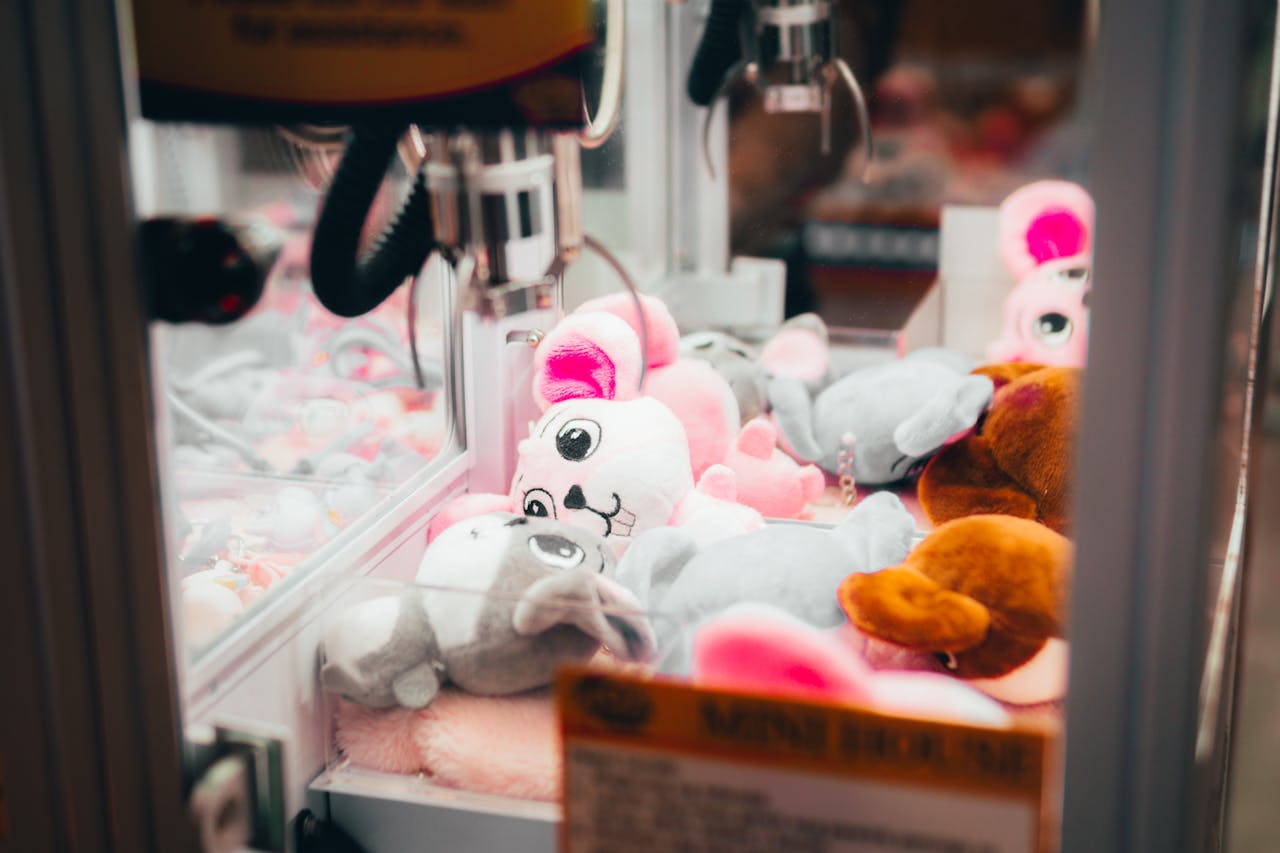
Step aside, pinball. The claw machine is quietly becoming one of the most advanced arcade attractions out there. What used to be a simple motorized arm grabbing at stuffed animals has evolved into a high-tech, interactive experience. And it’s not just for kids. From shopping malls to esports lounges, claw games are pulling in players with precision controls, sleek displays, and clever software under the hood.
That tech-savvy edge is part of why businesses are searching for claw machines for sale that offer more than just nostalgia. They want machines that engage, entertain, and deliver consistent value. The result? A new generation of smart cranes with features you wouldn’t expect from a coin-op game.
Let’s check and see what’s really going on inside.
The Brain: Programmable Logic Controllers (PLCs)
At the heart of a modern claw machine is a small but mighty computer system. This is usually a programmable logic controller, or PLC. It runs the logic behind everything you see (and don’t see), from joystick movement to prize drop timing. Why not just use a regular computer? PLCs are built to handle arcade environments. They’re sturdy, fast, and designed to work in places where there's lots of button-smashing and power cycling. Here’s what the PLC usually manages:- Input from the joystick or touchscreen
- Arm movement and claw strength
- Countdown timers
- Game result processing (win/loss logic)
- Prize release mechanisms
Precision Motors and Sensors
One of the most frustrating things about older claw games was how clunky they felt. You’d move the claw into position, hit the button, and watch it drop a few inches too far to the left. Today’s machines fix that with better motors and smart sensors. Modern units often use stepper motors instead of basic DC motors. Stepper motors allow for exact movement in tiny increments, which helps the claw land where you actually want it. This tech improves user satisfaction and trust. Some claw machines even include load sensors. These can tell if the claw has gripped a prize or not, giving feedback to the software and adjusting future behavior. It also helps operators detect if something’s jammed.Touchscreens and Interactive Displays
Say goodbye to faded instructions taped on the side. Touchscreen controls are showing up in more and more arcade units. Players can now select game modes, check prize descriptions, or even scan QR codes—all from the machine’s built-in interface. Touchscreens add a lot of flexibility:- Operators can push updates remotely.
- Branding and ads can rotate in real-time.
- New games or prize mechanics can be added with software changes alone.
Win Algorithms and Fair Play Settings
Claw machines have long had a bit of a reputation. Let’s face it, players often wondered if the game was rigged. But newer models are taking transparency seriously. Many come with adjustable win algorithms and fair play modes. These let arcade owners set claw strength to guarantee a prize every X number of plays or introduce randomness within a set range. This balances profitability with a good player experience. What’s more, digital logs track win rates, error messages, and payout trends. Operators can review this data and make informed decisions on settings or prize changes.Connectivity and Remote Monitoring
Thanks to Wi-Fi and cellular modules, many machines now offer remote management tools. An operator doesn’t need to visit each location to check on machine status. Instead, they get alerts for things like:- Low prize stock
- Technical errors
- Unusual play patterns
Flexible Payment Tech
Modern claw machines are ditching coins and going cashless. These days, players can use:- Contactless cards
- Mobile wallets (Apple Pay, Google Pay)
- Game cards tied to arcade systems
Bonus Features Players Love
While tech upgrades behind the scenes matter, player-facing features are where the fun really kicks in. Here are a few extra touches that make today’s claw games stand out:- LED light shows that sync with gameplay
- Themed audio and voiceovers that create excitement
- Camera feeds showing the claw in action, sometimes streamed live
- Social sharing options to let players post wins online