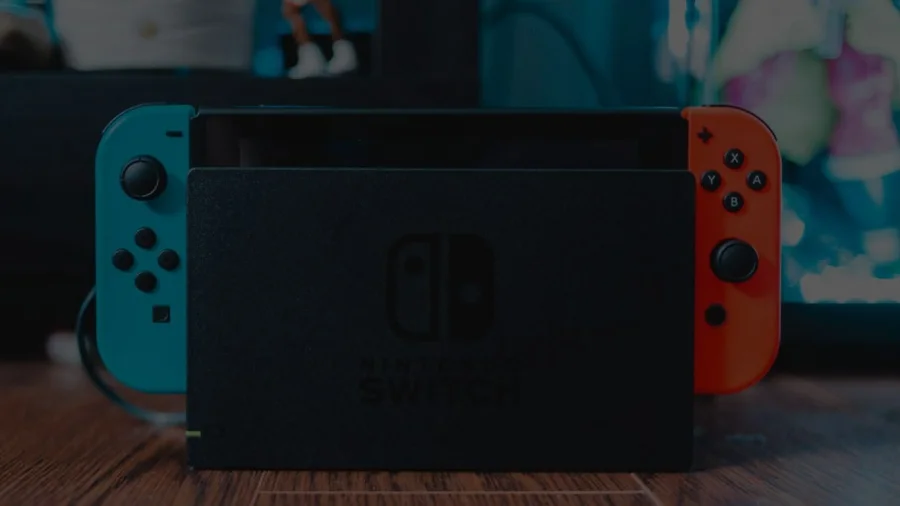
Nintendo is once again changing the way players manage and share their digital game libraries. With a new feature called
Virtual Game Cards, arriving via a system update in
late April 2025, Nintendo aims to offer a more flexible and user-friendly way to handle
digital game sharing across multiple consoles.
Let’s check what this new system means for Nintendo Switch users, how it works, and why it could be a game changer especially for families and multi-console households.
What Are Virtual Game Cards?
Virtual Game Cards are Nintendo’s fresh take on managing digital game ownership. Instead of tying games permanently to an account or a single console, this new system
treats digital games like physical cartridges—transferable, manageable, and even shareable across different systems.
When a user buys a digital game, it’s presented in the form of a
Virtual Game Card on the Switch’s home menu. Users can then
“load” or
“eject” these cards just like inserting or removing a physical game cartridge.
This approach brings a more
tangible feel to digital ownership, allowing better control and easier sharing within households or family groups.
Key Features of the Virtual Game Card System
Nintendo is adding a variety of useful options to make digital game management smoother:
1. Dedicated Game Management Interface
A new interface in the home menu shows all digital purchases as card-style icons. From here, users can manage their library by selecting which games to load or eject. This
visual, card-based layout makes game sharing intuitive and familiar—especially for those used to swapping physical cartridges.
2. Load & Eject Functionality
The core of the system is the ability to
eject a game from one Switch and
load it onto another. Once ejected, the game becomes inactive on the first device and active only on the second—emulating the real-world experience of sharing a game card.
3. Multi-Console Flexibility
Virtual Game Cards allow digital games to be
shared between two Nintendo Switch systems tied to the same Nintendo Account. This is a huge improvement over the current primary/secondary console model, which can feel restrictive and internet-dependent.
For families with multiple consoles (like one for home and one for travel), this makes juggling games much easier.
System Requirements and Limitations
While the feature is promising, there are some key points to understand before using it:
✔ Compatible with All Switch Models
The feature works on all current models—
original Switch, Switch Lite, and OLED, and is
fully compatible with the upcoming Switch 2, making it future-proof.
✋ Initial Local Pairing Required
To begin using the feature, both consoles need to be
physically nearby to establish a
local wireless connection. This initial “handshake” must be done once for the devices to share games. After that, games can be transferred via the internet.
⚠️ Limitation: If the other console is in a different city or country, sharing won’t be possible unless initial pairing is done together.
🌐 Internet Usage
An internet connection is required
only when loading or ejecting a game—not for actual gameplay. Once loaded, the game can be played
offline, even on secondary consoles. This is a
major step forward compared to the current system that demands constant online validation.
New Lending Option for Family Groups
Nintendo is finally adding an
official lending feature that allows users to
share games with other members in their Nintendo Account family group.
How It Works:
- You can select a specific game and lend it to any member in your family group.
- Both consoles need to be connected to the internet and nearby for the initial transfer.
- The recipient can play the game for 14 days before it returns automatically to your library.
- Save data stays on the borrower's console, so they can continue later or buy their own copy without losing progress.
🔄 After 14 days, the game automatically returns to the original owner—no action needed.
Benefits of Virtual Game Cards
Here’s why many users are excited about this feature:
| Benefit |
Description |
| True Digital Flexibility |
Digital games can be swapped between consoles like physical cartridges. |
| No More Always-Online for Secondary Consoles |
Once loaded, games work offline—even on a secondary system. |
| Easier Multi-Console Management |
Perfect for users with more than one Switch (e.g., OLED at home, Lite for travel). |
| Family Game Sharing |
Official support for lending games to family members within your Nintendo group. |
| Visual Interface |
The card-style layout makes game management easier and more engaging. |
Limitations and User Concerns
While innovative, the system does have a few restrictions that users have pointed out:
- ❌ No Simultaneous Play: Only one console can use a game at a time. Unlike workarounds in the old system, you can’t play the same game simultaneously on two devices.
- 🚫 Initial Local Pairing Required: Remote game sharing with family members living far away isn’t feasible unless initial pairing is done together.
- ⌛ 14-Day Lending Limit: Borrowed games return after two weeks, which some users find restrictive.
- 🔁 Only Two Consoles Supported: You can only link and manage Virtual Game Cards across two consoles per account.
Comparison With the Existing System
| Feature |
Current Digital System |
Virtual Game Cards |
| Primary Console |
Unlimited access |
Not needed |
| Secondary Console |
Internet required every time |
Only required during transfer |
| Simultaneous Play |
Allowed with some workarounds |
Not supported |
| Game Sharing |
Informal and limited |
Official and structured |
| Offline Play |
Primary console only |
Available on either console after setup |
Optional – Not Mandatory
One important point:
Virtual Game Cards are optional.
Nintendo has confirmed that users can continue with the current system if they prefer. This gives players the
freedom to choose the method that suits them best.
What This Means for the Nintendo Switch 2
With Nintendo confirming support for Virtual Game Cards on the upcoming
Switch 2, this may hint at:
- A digital-first future, potentially with Switch 2 Lite editions lacking physical game slots.
- Special game versions labeled as "Switch 2 Edition", optimized specifically for the new hardware.
- A smoother transition between generations, retaining and managing your digital library easily.
Conclusion
Nintendo’s
Virtual Game Cards system represents a big step forward in digital game ownership. It blends the
convenience of digital purchases with the
flexibility of physical game sharing, addressing long-standing user complaints.
While there are some restrictions, especially regarding initial setup and simultaneous play, the overall offering is more flexible, user-friendly, and forward-looking. Whether you play solo, share with family, or own multiple consoles, this system opens up new possibilities in how we interact with digital games.
As April approaches, and with the
Switch 2 reveal around the corner, gamers worldwide are eager to see how this system will evolve—and whether it signals a broader change in how digital content is shared in the gaming world.