 Vipin PG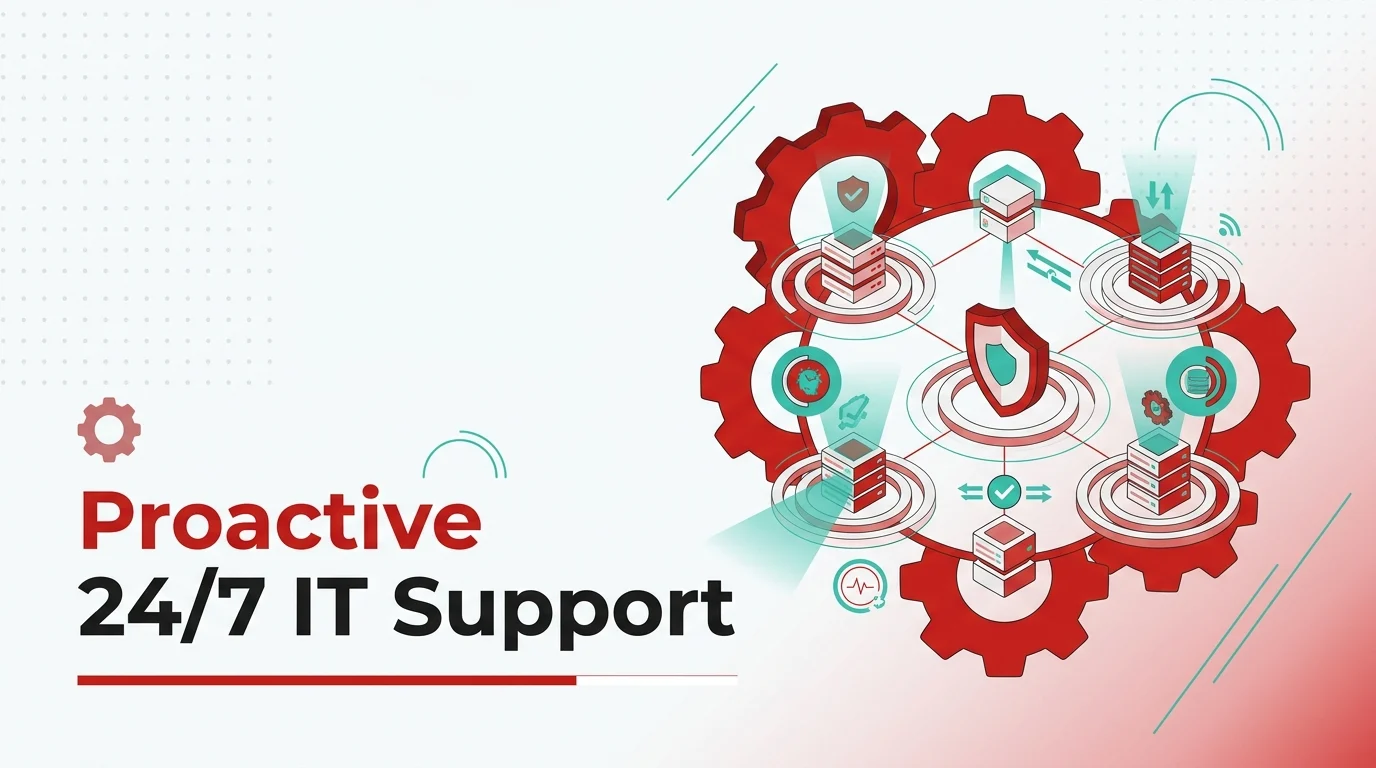
Technology rarely fails conveniently during standard business hours. Servers crash in the middle of the night, network switches fail during your busiest afternoon, and cybercriminals actively look for vulnerabilities on weekends. When these unexpected tech failures happen, the resulting chaos brings your daily operations to a complete standstill. Beyond the initial frustration of frozen screens and offline systems, the financial impact of this downtime is severe. And prolonged downtime can lead to severe customer churn and reputational damage. Those lost minutes quickly compound into thousands of dollars in wasted payroll and missed sales opportunities. When technology fails, every minute of lost productivity drains your bottom line and frustrates your team. Transitioning to a proactive model ensures your systems are continuously monitored, which is why partnering with a provider that offers comprehensive IT support services in Pomona can keep your operations running smoothly around the clock. Instead of waiting for a disaster to strike, a dedicated support team actively works in the background to prevent it.
Proactive vs. Reactive Support: A Fundamental Shift
Business leaders often ask what “proactive IT support” actually entails compared to traditional IT help desk services. The difference lies in the fundamental philosophy of how technology is managed. Reactive support relies on putting out fires after they start, while proactive support is entirely focused on fire prevention. Proactive support focuses on maintaining optimal system health around the clock. This means a dedicated team is constantly applying security patches, running software updates, and actively hunting for threats on your network. Instead of waiting for a hard drive to fail and taking your server down, a proactive team receives an alert that the drive is degrading and replaces it before you ever experience a disruption. To clearly understand this shift in strategy, you can compare the two models directly. The table below outlines how managed services eliminate the uncertainties of outdated repair methods.
| Feature | The “Break-Fix” Model (Reactive) | Managed IT Services (Proactive) |
|---|---|---|
| Cost Structure | Unpredictable and fluctuates based on hourly repair rates. | Predictable, flat-rate monthly fee. |
| Downtime | High. Issues are only addressed after operations stop. | Low. Issues are resolved in the background. |
| Security Approach | Cleans up the mess after a breach or infection occurs. | Actively hunts threats and updates defenses daily. |
| Business Alignment | Vendor profits when your technology breaks. | Partner profits when your technology works perfectly. |
Why 24/7 Continuous Monitoring is No Longer Optional
Many executives wonder why they need IT support outside of standard working hours. The answer is simple: hardware degradation and malicious hackers do not follow a standard 9-to-5 schedule. A ransomware attack is highly likely to execute at two in the morning on a Sunday when no one is watching the network. The escalating complexity of digital business has made constant vigilance a necessity rather than a luxury. The financial stakes of ignoring this reality are massive. According to recent research, unplanned outages cost the Global 2000 a combined $600 billion per year, up 50% in just two years. Round-the-clock monitoring catches aging hardware signs and cybersecurity gaps instantly. Automated systems and security operations centers monitor network traffic, server health, and backup integrity at all hours. This allows IT teams to resolve potential failures in the background before employees even notice a glitch when they log in the next morning. Furthermore, having 24/7 support means lightning-fast response times. When the unexpected happens during a late-night project or a weekend shift, a live person is always ready to help troubleshoot. Your team never has to wait until Monday morning to get back to work.
Securing Long-Term ROI with a Strategic Technology Partner
Viewing IT support purely as a frustrating operating expense is an outdated mindset. When you partner with a proactive Managed Service Provider, you shift your perspective of IT from a necessary evil to a revenue-protecting investment. This partnership fundamentally changes how your business operates and grows. Proactive IT support eliminates unpredictable repair bills. Instead of bracing for massive, unexpected invoices every time a server misbehaves, you pay a consistent monthly rate for comprehensive care. This stabilizes your company’s monthly cash flow, making financial planning and budgeting significantly easier for your leadership team. Continuous monitoring and real-time threat detection actively prevent devastating data loss and costly ransomware attacks. By securing your network infrastructure, you protect your proprietary data and your clients’ sensitive information. The cost of preventing a cyberattack is always a fraction of the cost of recovering from one. Ultimately, the long-term ROI of managed IT is undeniable. You gain increased team productivity because your staff experiences fewer disruptions. You extend the lifespan of your expensive hardware through regular maintenance. Most importantly, you greatly reduce your overall cyber risk.
Elevating IT from Help Desk to vCIO
The final question many executives have is how a managed service provider can act as a strategic partner rather than just another repair vendor. The answer lies in high-level technology consulting. A premium MSP does not just fix computers; they help steer your company’s future. This is accomplished through the role of a vCIO, or Virtual Chief Information Officer. A vCIO works directly with your leadership team to align your technology systems with your broader business goals. Whether you plan to open a new location, transition to a remote workforce, or scale your production, the vCIO ensures your infrastructure can support those ambitions. This level of partnership creates a framework for “Worry-Free IT.” The process begins by discovering your current infrastructure gaps and identifying vulnerabilities. Next, the vCIO helps plan a customized technology strategy complete with a transparent budget and timeline. Finally, the provider executes smooth, ongoing support, allowing you to focus entirely on running your business.
Conclusion
Because technology problems do not clock out in practice, relying on reactive support leaves your business highly vulnerable to unnecessary costs and daily stress. Waiting for systems to break guarantees that your team will face workflow interruptions, and it leaves your sensitive data exposed to modern cyber threats. Making the switch to a proactive IT management model delivers immediate and lasting benefits. You gain the peace of mind that comes with predictable monthly costs, strong 24/7 cybersecurity, and uninterrupted operational momentum. Your technology becomes an invisible engine that drives your business forward rather than an anchor holding it back. Stop letting technology troubles dictate your daily schedule and slow your business down. Demand a proactive, always-on IT partnership that actively supports your growth, protects your bottom line, and empowers your team to do their best work every single day.