 Vipin PG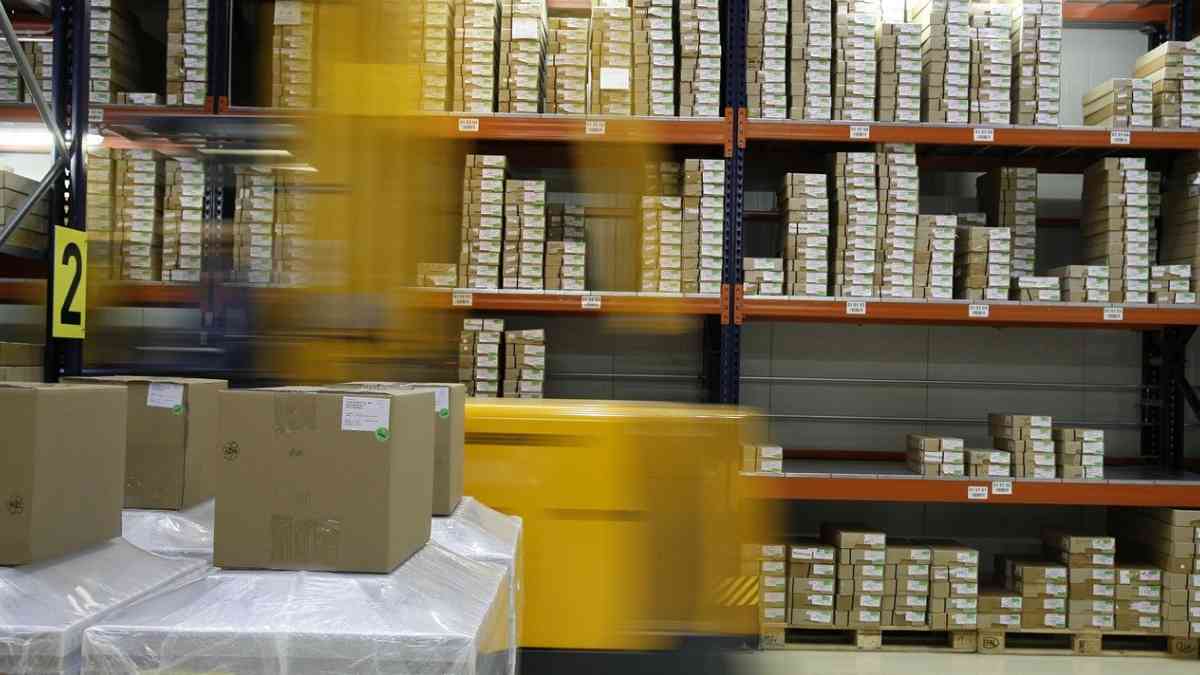
The old thinking was simple: keep everything under one roof so you stay in control. That sounds good until you look at the real cost of hiring, training, software, compliance, delays, and preventable mistakes. What I have seen time and again is that companies become more resilient when they are selective about what they own and what they hand over. Even large enterprises are doing it. Deloitte’s 2026 consumer products outlook found that 59% of executives surveyed are outsourcing core functions or forming centers of excellence Deloitte survey findings.
That does not mean outsourcing everything blindly. It means being honest about where your team adds unique value and where a specialist can outperform you on cost, speed, compliance, or quality. A manufacturing business, for example, usually should not be trying to build world-class shipping, tax, and packaging operations from scratch while also trying to improve production, sales, and customer retention.
To get your company more efficient and more profitable, there are several functions that make far more sense in expert hands. Here are three of the most practical ones.
Why Outsource Logistics to a Third-Party Provider?
Logistics is still one of the clearest examples of why outsourcing works. Moving goods efficiently is a discipline of its own. It depends on carrier relationships, warehouse networks, route planning, returns handling, customs knowledge, visibility tools, and constant adaptation when costs or demand shift. Most companies simply do not have enough shipment volume to optimize all of that alone.
That is why many businesses turn to third-party logistics providers. These companies can outsource various companies’ shipping and reduce these expenses drastically since costs are shared across multiple businesses.
The scale advantage matters. According to the 2025 3PL industry study, shippers are increasingly outsourcing for business and technology value, not just for basic transportation support. Logistics is no longer just about getting boxes from one place to another. It is about visibility, delivery performance, inventory flow, customer satisfaction, and how quickly you can react when something breaks.
Outsourcing logistics can also reduce fixed overhead. Instead of carrying the full burden of warehousing staff, software subscriptions, shipping negotiations, and operational firefighting, you convert much of that into a service relationship with clearer performance expectations. That gives you more flexibility when demand rises or falls.
Not every logistics provider is worth the contract, though. The good ones bring reporting, exception handling, carrier diversification, and technology that your team would struggle to build internally. The bad ones give you delays with prettier dashboards. So the decision is not whether to outsource logistics in theory. It is whether the provider can actually outperform your internal process on cost, reliability, and speed.
Why Does Financial Management Often Make Sense to Outsource?
Financial management is where a lot of businesses quietly lose money. Not because they are reckless, but because finance becomes messy long before leadership notices. Invoices pile up, reconciliations slip, expense categorization gets inconsistent, reporting lags behind reality, and tax deadlines start creating stress across the business. That is not just an accounting issue. It is an operational issue.
Managing finances could foresee headaches for any establishment. Keeping track of every single payment your business conducts daily is a significant task. Every expense and income needs to be processed and listed in a journal of transactions.
The recordkeeping burden is real. The IRS says businesses need a recordkeeping system that clearly shows income and expenses and includes supporting documents for purchases, sales, payroll, and other transactions IRS recordkeeping guidance. Finance is not something you can run casually once the business starts moving.
On top of this, you need to ensure that your organization remains tax compliant as per government regulations. Services offering enterprise tax software can be an excellent means of outsourcing tasks that fall out of your list of specialties. Agencies such as this are professionally trained and understand every tax law and regulation.
And the pressure is not easing. PwC reports that 67% of tax leaders say they are outsourcing a portion or all compliance duties to handle rising demand, while 64% are focusing on the systems and data feeds needed for newer global tax requirements PwC tax leader data. Even sophisticated finance teams are leaning on outside support because compliance and reporting expectations keep getting harder.
For smaller and mid-sized businesses, outsourcing finance does not always mean handing over everything. Sometimes the smartest move is a hybrid model. Keep strategic control in-house, but outsource bookkeeping, payroll, tax preparation, accounts payable support, or specialist reporting. That gives leadership better visibility without having to build a full internal department too early.
This is where outsourcing often pays for itself fastest. Clean books help you make faster decisions. Better reporting improves cash management. Specialist tax support lowers the chance of costly errors. Your core team gets to spend less time chasing paperwork and more time growing the business.
Why Is Packaging Worth Outsourcing?
Packaging is one of the most underestimated business functions because people tend to see it as decoration. It is not. Packaging affects product protection, shipping efficiency, shelf appeal, brand perception, returns, and increasingly, sustainability expectations. That is a lot of pressure for something many companies still treat as an afterthought.
One of the most significant factors of sales conversion, according to studies, is the packaging. Large organizations have perfected the art of packaging products to sell. Smaller companies should aim to drastically improve the quality and design of their packaging too. These large organizations invested millions into the perfect packaging, and for smaller companies, it might be challenging to compete with this.
So outsourcing your packaging to a company able to compete with the best packaging around might seem like a good idea. It will give the final consumer the idea that your company is on the same level and manufactures the same quality product as the larger players within your industry.
Here is where the conversation has changed in the last few years. Good packaging now has to do more than look polished. It also has to meet growing consumer expectations around sustainability, materials, and waste reduction. McKinsey’s 2025 global packaging research found that price and quality remain the biggest purchase drivers, but a meaningful share of consumers across markets are still willing to pay more for sustainable packaging global packaging research. Packaging decisions now sit at the intersection of marketing, operations, and brand trust.
A strong packaging partner can help with structural design, compliance labeling, filling and sealing processes, material selection, retail presentation, and transit durability. They can also help you avoid the expensive trap of producing packaging that looks good in a mockup but performs badly in shipping or on shelves.
Bad packaging creates costs far beyond the box itself. It can increase damage rates, raise return volumes, weaken brand perception, and make your product feel cheaper than it really is. If packaging is influencing conversion and retention, then it is not a side decision. It is part of the product experience.
What Outsourcing Actually Does for a Business
The deeper benefit of outsourcing is not just lower spend. It is operational clarity. When the right outside partner takes over a non-core function, your internal team gets room to focus on the work customers actually pay you for. Product development becomes faster. Customer support gets more attention. Leadership has fewer distractions. Decision-making improves because people are not buried under tasks they were never built to own.
That said, outsourcing only works when you manage it properly. You still need service expectations, reporting, accountability, and clear ownership on your side. Handing a broken process to a vendor does not magically make it efficient. But handing a clearly defined function to a capable specialist can absolutely improve quality and lower friction.
The real goal is not to outsource for the sake of it. The goal is to build a business that runs leaner, reacts faster, and competes smarter. When you treat logistics, finance, and packaging as strategic decisions instead of background tasks, that is when outsourcing starts becoming a growth tool rather than just a cost-cutting move.
Frequently Asked Questions
What business functions are best to outsource?
Logistics, financial management, and packaging are three of the most common functions businesses outsource. These areas require specialized expertise, significant infrastructure, or compliance knowledge that most companies cannot build efficiently in-house without distracting from their core work.
How do I know if I should outsource my logistics?
If your shipping costs are high, your delivery performance is inconsistent, or your team spends more time managing carriers than focusing on customers, outsourcing to a third-party logistics provider likely makes sense. A good 3PL brings scale, technology, and carrier relationships that would be difficult to replicate internally.
Is outsourcing finance a good idea for small businesses?
Yes. Many small and mid-sized businesses benefit from a hybrid approach — keeping strategic financial decisions in-house while outsourcing bookkeeping, payroll, tax preparation, and compliance. This gives you better visibility and reduces the risk of costly accounting errors without requiring a full internal finance department.
Does outsourcing packaging actually save money?
It can. Contract packaging providers share equipment, materials, and labor costs across multiple clients. They also help you avoid expensive mistakes like producing packaging that looks good but fails in shipping or on shelves. The savings come from better efficiency, fewer returns, and reduced damage rates.
What are the risks of outsourcing business functions?
The main risk is handing a poorly defined process to a vendor and expecting it to fix itself. Outsourcing works when you have clear expectations, reporting requirements, and accountability on your end. It does not work as a substitute for managing the relationship actively.
How do I choose the right outsourcing partner?
Look at their reporting capabilities, technology, track record with businesses your size, and how they handle exceptions or problems. The best providers do more than the basics — they bring visibility, accountability, and expertise that improves your overall operation, not just the specific function they are handling.