 Vipin PG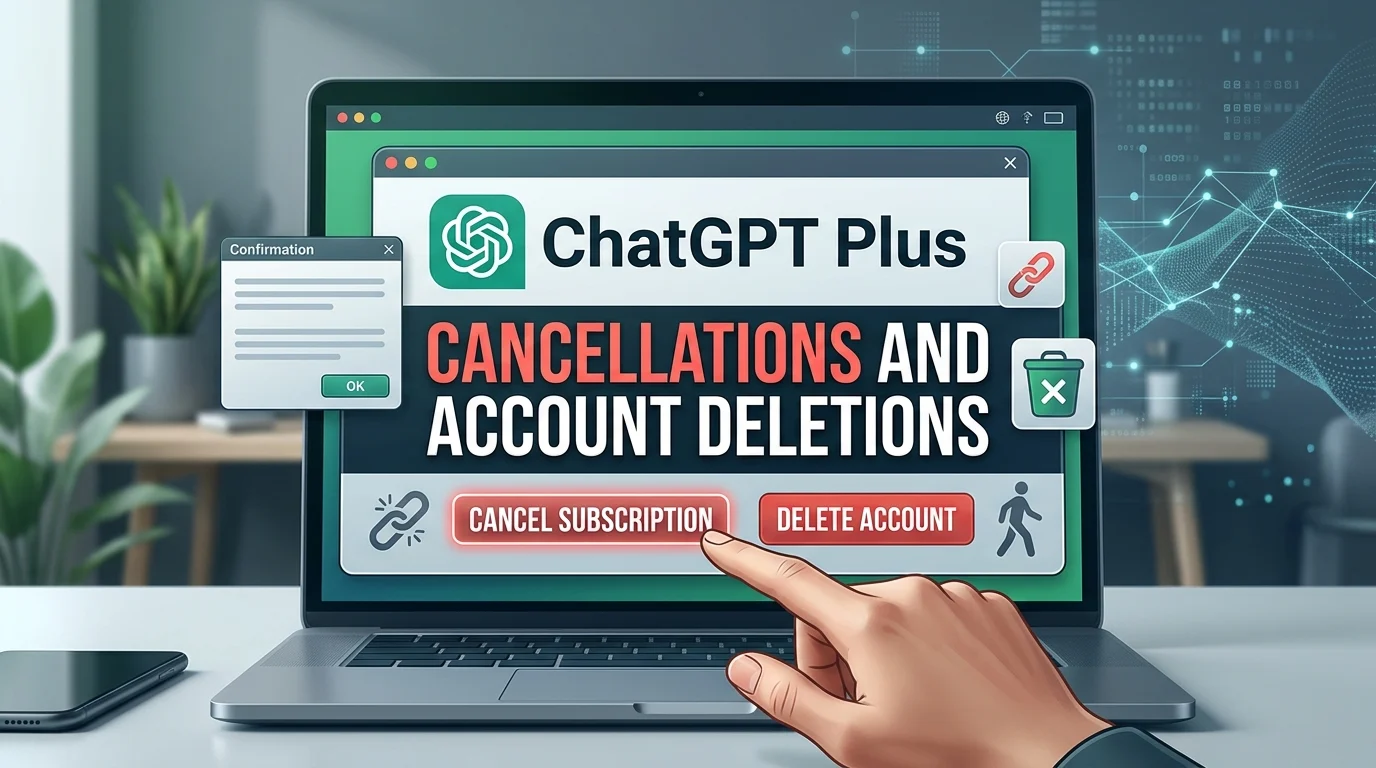
OpenAI confirmed it reached an agreement with the Pentagon for “deploying advanced AI systems in classified environments.” Reuters reported that the deal came after the U.S. government moved to stop working with rival Anthropic and that OpenAI’s systems would be used on classified Defense networks.
Multiple outlets described the rollout as rushed and politically fraught. TechCrunch noted Sam Altman acknowledged the deal was “definitely rushed” and that “the optics don’t look good.” Reuters similarly framed it as a controversial pivot happening amid intense scrutiny over mass surveillance and autonomous weapons concerns.
Why this sparked cancellations and deletions
Users’ objections clustered into a few themes:
- Military use‑case anxiety: Even if the deal is framed as “defensive” or “lawful,” a segment of users rejects any defense integration on principle.
- Surveillance fear: The biggest public flashpoint was the possibility—real or perceived—of AI enabling domestic monitoring, especially if model outputs or logs might be used to analyze personal data.
- Autonomous weapons fear: Concerns that AI might assist targeting, decision‑making, or operational command loops.
- Trust and transparency: Many complaints focused less on “Defense work exists” and more on the announcement timing, lack of detail, and ambiguity around enforceability inside classified systems.
The public narrative escalated quickly. Some reports claimed large subscriber losses (e.g., “1.5 million subscribers in under 48 hours”), but those figures are hard to independently verify and are often attributed to third‑party boycott tracking sites rather than audited platform metrics. Treat them as reported claims, not confirmed totals.
OpenAI’s Clarifications: What They Added and What They Claim the Contract Prevents
OpenAI’s central response was: the deal includes enforceable guardrails, and OpenAI retains technical control in ways that (they argue) make red lines harder to bypass than “policy‑only” restrictions.
The three “red lines”
- No use for mass domestic surveillance
- No use to direct autonomous weapons systems
- No use for high‑stakes automated decisions (e.g., “social credit” type systems)
The “update” designed to stop the bleeding
In an update dated March 2, 2026, OpenAI said it worked with the Defense side to add additional language making domestic surveillance restrictions “as clear as possible.” Two key points stand out:
- Explicit prohibition on domestic surveillance of U.S. persons, including via commercially acquired personal/identifiable information.
- Affirmation that the services will not be used by intelligence agencies like the NSA, and any services to those agencies would require a new agreement.
OpenAI also published sample contract‑style language referencing major U.S. legal frameworks (Fourth Amendment, National Security Act, FISA) and stated the AI system “shall not be intentionally used for domestic surveillance of U.S. persons.”
“Technical controls,” not just policy promises
- Cloud‑only deployment (not “edge devices”), presented as reducing the risk of autonomous weapons integration.
- OpenAI‑controlled safety stack, including the ability to run and update classifiers.
- Cleared OpenAI personnel “in the loop” for additional assurance.
- Contract termination if terms are violated.
NATO “clarification” as part of the trust repair arc
Reuters reported OpenAI was also exploring a NATO opportunity—but clarified (via a spokesperson) that discussions were for NATO’s unclassified networks, after reports of “classified” involvement. This matters because it fits the same pattern: fast headline → backlash risk → narrower clarification.
The Core Dispute: “Can You Really Contract Away Future Abuse?”
Even with clearer language, critics argue that:
- Contract language may not “freeze” future legal and policy changes in the way companies imply (i.e., a contract referencing today’s standards does not necessarily control how governments evolve authorities later).
- Classified environments limit external verification. Users can’t audit how models are used inside secure networks; they must trust internal controls, oversight, and enforcement.
- “No autonomous weapons” can be interpreted narrowly. There’s a difference between “AI that directly selects/engages targets” and “AI that provides intelligence summaries, recommends actions, or accelerates decision loops.” The public often lumps these together; contracts often separate them.
This gap—between public fears and legal/technical definitions—is exactly why the churn risk became real for OpenAI’s consumer products.
What This Means for Regular ChatGPT Users: Privacy, Data Sharing, and Retention Reality
Two things can be true at once:
- A Pentagon deployment does not automatically mean your personal ChatGPT chats are piped into the military.
- Any major AI company’s consumer service still operates under privacy policies that allow disclosure to governments under lawful process.
OpenAI’s privacy policy states it may share personal data (including information about interactions with its services) with government authorities when required by law or for legal/security reasons. Separately, OpenAI publishes transparency reports about government requests for user data (showing types and volumes of requests).
And deletion is not “instant vaporization.” OpenAI’s help documentation describes retention windows and explains that deletion removes content from your visible history and from systems after a retention period.
If You Want to Leave: Cancel Plus vs Delete Account (and Why the Order Matters)
A lot of users mixed up three different actions:
- Cancel ChatGPT Plus (stops future billing; account stays)
- Delete chats (removes conversation history after retention window)
- Delete the entire account (closes the account; also cancels subscription)
A) How to cancel ChatGPT Plus (Web)
OpenAI’s official instructions:
- Log into ChatGPT
- Profile icon → Settings
- Account tab → Manage → Cancel Subscription
OpenAI notes cancellation becomes effective after your next billing date (you keep access until then) and recommends canceling at least 24 hours before renewal to avoid the next charge.
B) If you delete your account, your subscription is canceled
OpenAI explicitly states: Deleting your ChatGPT account automatically cancels your subscription to prevent unwanted charges.
C) How to delete your OpenAI/ChatGPT account
Web:
- Sign in → Profile icon → Settings → Account → Delete account → Delete
iOS app:
- Account settings → Data Controls → Delete Account → confirm
Android app:
- Menu → Settings → Data Controls → Delete Account → confirm
D) Don’t skip the export step if you need your history
If you rely on ChatGPT for work notes, code, or research, export before you delete. Some coverage around the backlash specifically warned users to download their data before leaving.
What OpenAI Is Trying to Prevent: The “Trust Cascade” That Turns PR Into Revenue Loss
From OpenAI’s perspective, the immediate risk wasn’t just criticism—it was a compounding trust collapse:
- Consumer churn (Plus cancellations, deletions)
- Developer churn (API switching)
- Enterprise procurement delays (“brand risk”)
- Staff morale and retention issues
That’s why OpenAI’s clarifications focused on concrete‑sounding safeguards:
- explicit “no domestic surveillance” language,
- “not used by NSA” claim,
- cloud‑only deployment,
- OpenAI safety stack control,
- personnel oversight,
- termination rights.
And it’s why Reuters‑style follow‑ups about NATO being “unclassified only” mattered: they reduce the perception of uncontrolled expansion.
The Bottom Line: What’s Actually Changed vs What Remains a Values Choice
What OpenAI has clearly done
- Published red lines and deployment architecture claims.
- Added explicit contract language against domestic surveillance of U.S. persons and stated NSA use would require a new agreement.
- Publicly argued that its approach is more enforceable than policy‑only safeguards.
What OpenAI cannot fully solve with clarifications
- If your objection is “no military partnerships, ever,” then no amount of guardrail language will satisfy you.
- If your objection is “classified use is unverifiable,” you’ll still be relying on trust in enforcement.
- If your concern is government access to user data, that’s governed by privacy policies, lawful process, and retention practices—not just Pentagon contract wording.
Practical checklist for readers deciding what to do
- Want to stop paying but keep your account? Cancel Plus via Settings → Account → Manage → Cancel.
- Want to fully leave? Export your data first, then delete the account.
- Worried about charges? Deleting your account cancels the subscription automatically.
- Want to reduce what’s stored? Delete specific chats and understand retention windows.
- Want to understand government access risk? Read the privacy policy disclosures and transparency reporting.