

In today’s fast-paced and data-rich business environment, decision-making has become increasingly complex. Leaders are no longer relying solely on intuition or past experience; they now need tools that can process massive data volumes, anticipate trends, and guide strategic moves in real time.
This is where AI-Augmented Decision Making steps in—a powerful blend of human intelligence and machine learning that’s reshaping how organizations plan, operate, and innovate.
What Is AI-Augmented Decision Making?
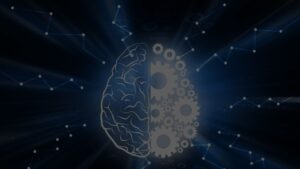
AI-Augmented Decision Making refers to a collaborative process where artificial intelligence systems support human decision-makers with data-driven insights, predictions, and recommendations. Unlike fully autonomous AI systems, this approach keeps humans in the loop—combining the speed and precision of AI with human creativity, ethics, and strategic thinking.
Key Characteristics:
- Human-in-the-loop: AI assists, but humans retain control.
- Enhanced insight: AI uncovers patterns and forecasts that humans might miss.
- Contextual decision-making: Humans provide intuition, ethics, and business vision.
Why It Matters More Than Ever
Traditional decision-making is limited by:
- Cognitive overload
- Information gaps
- Time-consuming processes
- Bias-prone judgments
AI-augmented systems address these challenges by:
- Processing data in real time
- Reducing errors
- Predicting future trends
- Improving the speed and quality of decisions
This shift enables organizations to move from reactive strategies to proactive, anticipatory planning.
Real-World Applications Across Industries
1. Finance and Banking
- Fraud Detection: AI scans transaction patterns and flags anomalies instantly.
- Risk Analysis: Banks use predictive models to assess creditworthiness.
- Document Review: Tools like JPMorgan’s COiN cut hours of legal work to seconds.
2. Healthcare
- Diagnostics: AI enhances imaging analysis and patient data interpretation.
- Treatment Planning: Machine learning suggests personalized care paths.
- Supply Chain Management: Predictive analytics prevent medical shortages.
3. Retail and E-commerce
- Personalized Recommendations: AI tailors offers based on user behavior.
- Inventory Forecasting: Prevents overstock and shortages using predictive models.
- Voice & Visual Search: Enhances customer experience and engagement.
4. Logistics and Manufacturing
- Predictive Maintenance: AI foresees equipment failure before it happens.
- Route Optimization: Smart routing saves fuel and improves delivery timelines.
- Autonomous Operations: AI systems adjust production schedules dynamically.
Technologies Enabling AI-Augmented Decisions
Business Intelligence Platforms
- Tableau AI: Offers visual analytics with smart suggestions and predictive tools.
- Power BI with Copilot: Integrates natural language interaction and Microsoft ecosystem support.
- IBM Cognos Analytics: Delivers pattern detection and AI-driven forecasting.
Machine Learning & Automation Tools
- IBM Watsonx.ai: Centralizes model development, deployment, and business integration.
- AnswerRocket: Empowers non-technical users to query data in plain English.
- Julius.ai: Converts raw data into insights via conversational AI.
NLP & Conversational Interfaces
These tools remove barriers for non-technical decision-makers, enabling everyone—from analysts to executives—to gain insights through natural queries and get instant answers with context-aware dashboards.
Strategic Benefits and Impact
Dynamic Planning & Simulation
AI can simulate multiple scenarios, helping businesses prepare for a range of outcomes. This reduces uncertainty and supports data-backed risk management.
Trend Forecasting & Market Intelligence
AI analyzes digital footprints like social media chatter, reviews, and search data to predict emerging trends, allowing businesses to act before competitors do.
Adaptive Strategy Execution
AI-powered systems learn from real-time data to adjust strategies dynamically. They:
- Identify inefficiencies
- Allocate resources intelligently
- Enable self-correcting workflows
Challenges & Ethical Considerations
1. Automation Bias
Overreliance on AI can reduce human vigilance. Users may accept flawed AI outputs due to initial success, leading to trust issues or errors in critical decisions.
2. Data Quality and Bias
Poor or biased data leads to flawed models. Ensuring high-quality, unbiased datasets is essential to avoid perpetuating discrimination or inaccurate outcomes.
3. Explainability (XAI)
Trust in AI grows when decisions are transparent. Explainable AI helps:
- Understand how AI reached a conclusion
- Identify strengths/weaknesses in models
- Build user confidence and compliance in regulated industries
4. Governance and Oversight
Organizations must implement:
- AI policies and ethical guidelines
- Accountability frameworks
- Human oversight in critical decisions
The Future of AI-Augmented Business Strategy
1. Continuous Learning Systems
Future AI will:
- Learn incrementally from streaming data
- Adapt to changing environments
- Retain knowledge across tasks
This enables real-time updates and smarter, more flexible systems that evolve with the business.
2. Democratization of AI
No-code platforms and natural language tools are putting AI in the hands of every business user, not just data scientists. This expands innovation and insight generation across departments.
3. Autonomous Business Operations
AI is now powering:
- Self-adjusting supply chains
- Real-time investment strategies
- Personalized marketing campaigns
The result is leaner, faster, more responsive businesses.
4. Integration with Emerging Tech
AI will soon be tightly integrated with:
- Generative AI: For content creation and design
- IoT: For real-time data from physical assets
- Blockchain: For secure, traceable decisions
Conclusion: Strategic Partnership Between Humans and AI
AI-Augmented Decision Making isn’t about replacing humans—it’s about enhancing our capabilities. By combining the strengths of artificial intelligence with human wisdom, businesses can:
- Make better decisions faster
- Predict the future more accurately
- Minimize risks while maximizing opportunities
Companies like Amazon, JPMorgan Chase, and Moderna are already seeing immense value from AI-augmented strategies. The future belongs to organizations that adopt AI thoughtfully—ensuring explainability, fairness, and accountability—while embracing a collaborative, human-AI approach to strategy.