

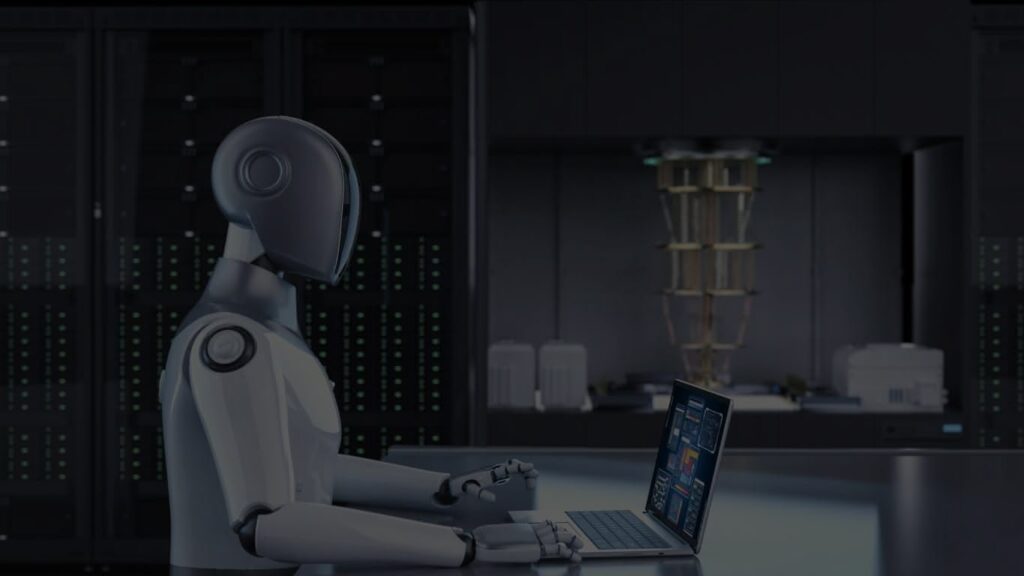
In 2025, a new wave of programming innovation is emerging—one that’s not defined by code alone, but by creativity, flow, and collaboration between human and machine. Known as Vibe Coding, this AI-driven development approach is rapidly changing how we build software, prototype ideas, and think about coding altogether.
This article checks what Vibe Coding really means, how it works in practice, the tools enabling it, and why it represents a major shift in the software development landscape.
What Is Vibe Coding?
Vibe Coding is a modern software development approach where developers collaborate with AI tools in a fluid, intuitive, and conversational way. The focus shifts from writing perfect syntax to expressing intent in natural language, letting the AI assist in code generation, refactoring, and debugging.
The term was first introduced in early 2025 by Andrej Karpathy, co-founder of OpenAI, who described it as a flow-state-driven, improvisational style of coding—where humans and AI “code with the vibe.”
Unlike traditional programming, Vibe Coding is less about exact structure and more about creative interaction, iterative experimentation, and staying in the zone while AI takes care of the details.
How Vibe Coding Works
In a typical Vibe Coding workflow, a developer uses natural language to guide AI tools. For example:
“Create a React dashboard with user profile cards and dark mode support.”
The AI then generates a working prototype. The developer can refine the result by saying:
“Add animation to the cards”
“Connect it to a mock API”
“Fix the layout for mobile view”
This conversational feedback loop allows continuous flow and fast iterations, reducing context switching and technical friction.
Key Use Cases:
- Structure Planning: Brainstorm app components, architecture, or logic trees using descriptive prompts.
- Boilerplate Automation: Skip the repetitive setup—AI builds scaffolding for front-end, back-end, or APIs instantly.
- Code Enhancement: Ask AI to optimize performance, refactor code, or apply best practices.
- Debugging: Describe an issue in plain English, and let the AI help you trace and fix the problem.
Popular Tools Powering Vibe Coding
A variety of advanced AI development platforms are at the heart of the Vibe Coding movement:
| Tool | Key Features |
|---|---|
| GitHub Copilot | Suggests full code blocks and functions inside IDEs like VS Code. |
| Cursor | AI-first code editor with chat-based assistance and debugging features. |
| Codeium | Real-time suggestions across multiple languages, free for individual use. |
| ChatGPT/Claude | Versatile AI models used for deep reasoning, debugging, and task automation. |
| Replit AI | Browser-based coding with AI that goes from idea to live app deployment. |
| Bolt.new | Builds mobile/web apps from a single prompt—no setup required. |
Modern IDEs are also catching up by adding native chat panels, voice input, and contextual understanding to keep developers in sync with AI suggestions.
Why Vibe Coding Matters
Vibe Coding isn’t just a productivity hack—it’s a complete shift in how we build and think about software.
Major Benefits:
- Faster Development: AI handles routine tasks, letting you move from idea to prototype much faster.
- Lower Learning Curve: Beginners can start creating meaningful apps without needing deep syntax knowledge.
- Creative Exploration: Developers can focus on design, architecture, and logic instead of being bogged down in repetitive code.
- Continuous Learning: Real-time feedback from AI encourages learning by doing—one of the most effective ways to grow technical skills.
- Enhanced Team Flow: Whether you’re a solo developer or in an agile team, vibe coding helps maintain momentum and focus.
Challenges and Concerns
Despite its advantages, Vibe Coding also raises some challenges worth noting:
| Concern | Description |
|---|---|
| Skill Dilution | Developers may rely too much on AI, missing foundational programming skills. |
| Code Quality Issues | AI-generated code isn’t always optimal or secure—manual review is essential. |
| Inconsistent Styles | Teams using different prompts may produce mismatched code styles. |
| AI Dependency | Developers may struggle when AI isn’t available or fails to understand intent. |
To counter these issues, developers must treat AI as a co-pilot, not a substitute. Regular code reviews, learning fundamentals, and developing clear prompt-writing skills are essential.
The Future of Vibe Coding
As the Vibe Coding trend matures, it is influencing not only how developers code but how software engineering is taught and experienced.
Emerging Trends:
- AI-Centric Curriculum: Programming education is shifting to include AI collaboration, prompt engineering, and debugging with AI assistance.
- Low-Code/No-Code Fusion: Vibe Coding bridges the gap between professional development and citizen-developer tools.
- Adaptive AI Companions: Next-gen tools will learn your habits, coding style, and preferences for even smoother collaboration.
- Standardized Workflows: Industry-wide best practices for human-AI coding partnerships are beginning to form.
Conclusion
Vibe Coding marks a new era in programming where human creativity meets machine intelligence. It’s not about replacing developers but empowering them to do more, faster, and with greater freedom. As this hybrid form of coding evolves, it promises to democratize software creation, inspire innovation, and redefine what it means to be a developer in the AI age.
If you’re in tech, now is the time to embrace the vibes—because the future of coding is no longer just about writing lines, but about designing experiences, collaborating with intelligence, and building in flow.