

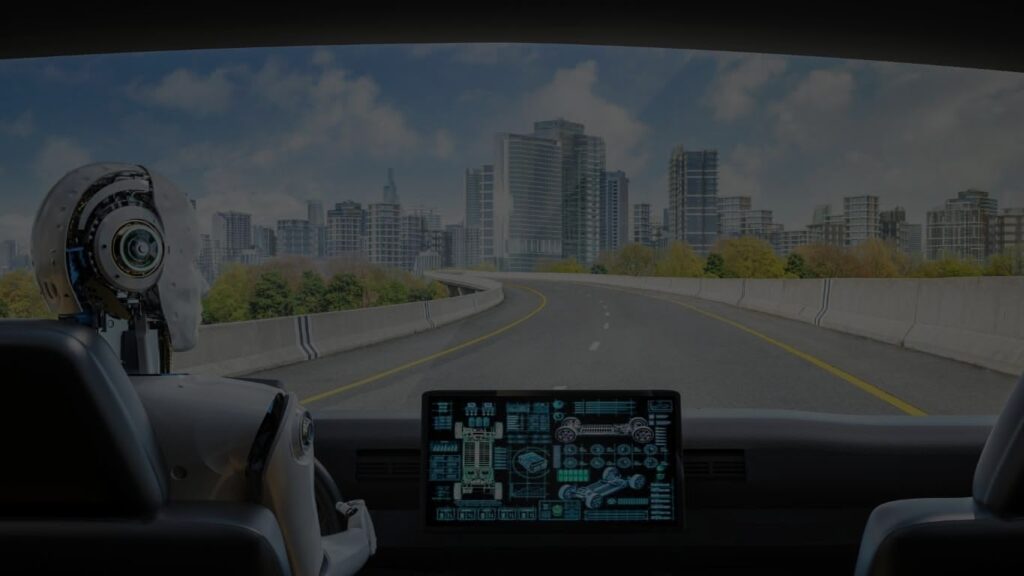
The automotive world is swiftly moving toward a future where intelligent assistance isn’t just a luxury—it’s becoming a standard. At the heart of this change lies the concept of AI Co-Pilot Systems. These advanced systems go beyond traditional driving aids by introducing intelligent collaboration between the driver and machine, aiming to enhance safety, convenience, and user experience on every trip.
What Are AI Co-Pilot Systems?
AI Co-Pilot Systems are intelligent platforms built using artificial intelligence, real-time data processing, and personalized learning to act as proactive assistants during driving. Unlike basic Advanced Driver Assistance Systems (ADAS) that react to specific situations (like automatic braking or lane-keeping), AI co-pilots are context-aware and predictive.
These systems combine:
- Natural Language Processing (NLP) for human-like voice interactions
- Machine Learning for personalization and adaptability
- Sensor Fusion to interpret surroundings through cameras, radar, LiDAR, GPS, and more
- Decision-Making Engines that provide alerts or take action based on real-time analysis
Together, they function not just as tools, but as intelligent driving companions.
How Do AI Co-Pilot Systems Work?
At their core, AI Co-Pilot Systems integrate multiple technologies:
- Sensor Input Collection: Cameras monitor the road, radar tracks distances, GPS provides geolocation, and onboard diagnostics track vehicle and driver behavior.
- Data Analysis: These inputs feed into AI algorithms capable of analyzing up to 25GB/hour of data in real-time.
- Personalization: The system learns from repeated behavior—like route preferences, cabin temperature, or frequent destinations—to create a custom driving profile.
- Human Interaction: Drivers can interact using normal language, such as “Take me home using the fastest route,” and the system cross-references maps, traffic, and schedules to respond appropriately.
- Predictive Assistance: From suggesting alternate routes to warning about potential hazards based on weather or traffic trends, AI Co-Pilots are designed to think ahead.
Core Features of AI Co-Pilot Systems
- Natural Voice Interaction: Understands spoken commands without needing pre-set phrases.
- Smart Navigation: Dynamically adjusts routes based on traffic, weather, and road hazards.
- Fatigue & Distraction Monitoring: Detects signs of drowsiness or inattention through eye-tracking and behavior patterns.
- Connected Infotainment & Smart Home Integration: Syncs with calendars, music preferences, and even home automation systems.
- Contextual Alerts: Provides alerts based on driving zones, such as schools, speed zones, and construction areas.
Benefits for Drivers
1. Enhanced Road Safety
By predicting potential hazards, AI Co-Pilot Systems reduce accident risks significantly. Research shows these systems can cut rear-end collisions by 40–50%, and fatigue-related incidents by up to 70% in fleet vehicles.
2. Reduced Driver Fatigue
AI co-pilots take over repetitive tasks, allowing drivers to stay focused on strategic decisions, especially during long drives.
3. Accessibility Support
Voice control, visual alerts, and adaptable interfaces make vehicles more accessible for elderly and differently-abled individuals.
4. Hyper-Personalization
From remembering your preferred seat position to choosing playlists based on mood, AI adapts to each driver’s style and preferences.
Current Challenges
1. Connectivity Dependence
Cloud-based AI features require constant internet access. Limited connectivity reduces system intelligence to basic functionality.
2. Sensor Reliability
Dirt, fog, or malfunctions in cameras and sensors can impact system accuracy.
3. Over-Reliance & Ethics
Drivers may become too dependent, leading to inattentiveness. There’s also concern over the AI making incorrect or non-transparent decisions.
4. Data Privacy
Continuous data collection (voice, location, biometrics) raises concerns over who owns the data, how it’s used, and how securely it’s stored.
Future of AI Co-Pilot Systems
1. Integration with Fully Autonomous Vehicles
As automation advances, AI co-pilots will manage smooth transitions between human and autonomous control.
2. Commercial Fleet Optimization
AI co-pilots in shared mobility and logistics fleets can streamline routing, monitor driver wellness, and enhance operational efficiency.
3. Emotion Recognition
AI will soon interpret driver emotions—stress, anxiety, or fatigue—and adapt responses, from suggesting a scenic route to calming music.
4. Smart City Integration
Future systems will communicate with traffic lights, parking systems, and city infrastructure, optimizing every aspect of urban transportation.
Conclusion
AI Co-Pilot Systems aren’t just driving aids—they’re the gateway to a new era of intelligent mobility. By learning driver behavior, reacting proactively, and interacting naturally, they make driving safer, smarter, and more human-centric.
As the automotive world transitions toward full automation, AI co-pilots serve as the critical bridge—ensuring drivers remain in control while enjoying the benefits of cutting-edge technology.
The journey has only just begun—and with AI as our co-pilot, the road ahead is not only more efficient but far more intelligent.