

Generative AI is not just influencing photography—it is revolutionizing it. As the creative and commercial worlds embrace intelligent tools, a new visual age is emerging, where imagination is no longer limited by lenses, lighting, or even real-world subjects. Commercial photography, once reliant on cameras and costly setups, is now being transformed by algorithms that can create, modify, and enhance images with astonishing realism and speed.
In this article, we will check how generative AI is reshaping commercial photography, the benefits and challenges it introduces, the tools empowering this shift, and what professionals need to know to stay ahead in this evolving visual landscape.
What Is Generative AI in Photography?
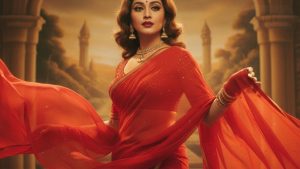
Generative AI in photography refers to machine learning models that can generate, modify, or enhance images from text prompts, sketches, or existing images. These models are trained on massive datasets of image-text pairs and use techniques like diffusion modeling or Generative Adversarial Networks (GANs).
Unlike traditional photo editing—which enhances what’s already captured—generative AI can create completely new visuals from scratch, starting with random noise and turning it into a detailed image guided by a prompt like:
A futuristic sneaker floating above a neon-lit city skyline at night.
Key generative AI functions include:
- Text-to-image generation
- Generative fill (adding/removing elements)
- In-painting and out-painting
- Image upscaling and enhancement
- Style transfer and background replacement
How Commercial Brands Are Using Generative AI
Generative AI is rapidly integrating into business workflows across industries. Here’s how:
Product Photography
- Virtual product shots without physical prototypes.
- Tools like Flair.ai, Hippist, and AI Product Shot generate photorealistic lifestyle images for as little as $1 per frame, compared to traditional shoot costs of $50–$150.
Fashion and Apparel
- Platforms such as Botika and Piccopilot generate AI models wearing various outfits—cutting model, set, and retouching costs by up to 90%.
Creative Storyboarding & Concepting
- Brands and agencies use Midjourney or Adobe Firefly to visualize creative concepts before investing in full shoots—speeding up ideation and approval timelines.
Real Estate & Hospitality
- AI tools generate virtual staging for empty properties, complete with furniture, lighting, and decor, helping listings go live weeks before physical readiness.
Social Media Campaigns
- Brands scale up visual content creation by generating regionally tailored, on-brand visuals in minutes—perfect for A/B testing or targeting different audiences.
Business Benefits of Generative AI Photography
| Benefit | With Generative AI | Traditional Approach |
|---|---|---|
| Cost per image | $1–$5 | $50–$150 per shoot |
| Turnaround time | Minutes to hours | Days to weeks |
| Visual variations | 10–50+ per product instantly | 1–3 per shoot |
| Personalized campaigns | Automated generation by cohort | Manual design or reshoot |
| Creative flexibility | Surreal or imaginative scenes | Physically limited setups |
| Return reduction (e-comm) | AI try-ons cut returns by 20–36% | Not applicable |
Legal, Ethical, and Regulatory Concerns
With power comes responsibility—and using AI-generated content in commercial photography raises important questions:
Copyright and Ownership
- U.S. law currently does not recognize copyright for images created purely by AI.
- However, hybrid works with substantial human input (e.g., prompt crafting, manual editing) may be protected.
- Always check licensing terms from platforms like Midjourney, DALL·E, and Firefly.
Training Data & Fair Use
- Some AI platforms have been sued for using copyrighted images during training without permission.
- Legal rulings vary, with some courts calling it “transformative use” and others pursuing copyright infringement.
Authenticity and Deepfakes
- Misinformation is a risk. Ethical usage demands disclosure, informed consent, and transparency.
- The EU AI Act (enforcing 2026) will require clear labeling of AI-generated content.
Job Displacement
- Routine roles like corporate headshots or stock imagery are under threat.
- However, creative direction, client management, and brand curation remain human-led—at least for now.
The Changing Role of Professional Photographers
Generative AI isn’t killing photography—it’s reshaping the role of photographers from image takers to creative technologists. Here’s how pros are adapting:
- Prompt Engineering: Understanding composition, lighting, and mood helps photographers write better prompts and fine-tune results.
- Hybrid Workflows: Photographers now mix captured imagery with AI-generated enhancements—creating scenes that would otherwise be impossible.
- New Services: Professionals offer AI consultancy, on-brand model creation, or even curated synthetic asset libraries.
- Quality Assurance: Human judgment is crucial in selecting, editing, and ensuring brand consistency in AI outputs.
Popular Generative AI Tools for Commercial Photography
| Tool | Use Case | Strength | Commercial Use Rights |
|---|---|---|---|
| Midjourney v6 | Text-to-image generation | Painterly, artistic outputs | Pro plan needed for >$1M biz revenue |
| DALL·E 3 | Text-to-image, inpainting | High prompt accuracy | Usage allowed under OpenAI policy |
| Adobe Firefly | Integrated creative suite tools | Seamless Photoshop & Illustrator workflow | Commercial use allowed for non-beta |
| Runway ML Gen-3 | Image & video generation | Motion storyboards, text-to-video | Royalty-free under license terms |
| Claid.ai | AI fashion modeling | Fast apparel visuals with model variety | Subscription-based access |
| Topaz AI | Image upscaling & enhancement | Denoising, sharpening tools for real photos | Licensed software |
What the Future Holds (2025–2035)
- AI-First Studios: Entire photoshoots take place virtually with 3D environments and cloud-rendered lighting simulations.
- Synthetic Stock Libraries: AI-generated stock platforms will soon outpace traditional sites—offering hyper-customizable image packs.
- Edge-AI Cameras: Devices with built-in neural chips enable real-time background swaps, lighting changes, and generative fill.
- Verified Credentials: The C2PA standard embeds metadata in AI images to verify authorship and authenticity.
- New Career Roles: Job titles like “AI Visual Director,” “Prompt Designer,” and “Synthetic Image Strategist” will emerge.
Frequently Asked Questions
Q: Can AI fully replace commercial photographers?
Not entirely. While AI excels in scalable imagery and product visuals, storytelling, live shoots, and human interaction remain strongholds of human photographers.
1. Are AI-generated images legal in marketing?
A: Yes—provided usage follows tool licenses, avoids copyrighted elements, and discloses AI use when required.
2. Who owns the rights to an AI-generated image?
Generally, the platform grants usage rights to the user (e.g., DALL·E or Firefly), but purely AI-generated content might not be copyrightable under U.S. law.
3. Will clients trust AI-generated models?
Increasingly yes—especially with disclosure and realism. Many brands already use AI models to widen representation and reduce costs.
Mini-Glossary
- Diffusion Model: Neural network that iteratively transforms noise into a detailed image.
- Prompt Engineering: Crafting strategic instructions to guide AI outputs.
- Generative Fill: Seamlessly adding or removing parts of an image via AI.
- C2PA: Open standard that tags AI-generated content with verifiable metadata.
- GPAI: General-purpose AI models used across multiple tasks, often regulated.
Conclusion
Generative AI isn’t just a tool—it’s a turning point. For brands, it means unmatched efficiency, creative flexibility, and global-scale personalization. For professionals, it opens new roles, workflows, and opportunities.
But it also brings responsibility: to be ethical, informed, and transparent.
As AI continues to evolve, the most compelling commercial imagery will not come from machines alone, but from humans who know how to wield machines creatively. The future of photography is not camera vs. code—but a collaboration between the two.