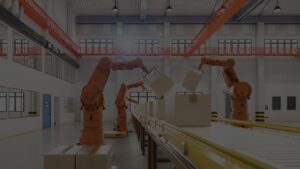


If you’ve ever tried to organize a garage, imagine a warehouse that has hundreds of thousands of products, dozens of employees, and thousands of orders that need to be shipped as quickly as possible.
Well, imagine being able to manage all that from one screen, without wandering around the shelves and without mistakes. This is where automated storage solutions come into play.
Automated warehouse solutions today are not some futuristic fad—they are a reality that helps companies work smarter, faster, and with fewer errors. Increasingly, companies worldwide, as well as in our country, are adopting this type of work organization.
In this article, we will check how it works, what it means in practice, and whether it is even worth investing in such a system.
What Are Automated Warehouses?
In the simplest terms, they are smart warehouses where machines, software, and robots perform the work that was once done manually by humans. It sounds like science fiction, but basically it’s a combination of technology that allows goods to go precisely where they need to, when they need to.
For example, vertical lift systems can send the desired item directly to the operator, eliminating the need for the operator to walk around the warehouse. The software keeps track of everything—where everything is, how much is in stock, and when something arrived or left the warehouse.
The Main Advantages
When automated warehouses are mentioned, many people first think of robots that move boxes or huge machines that do everything by themselves. And they are not far from the truth—but the whole story goes much deeper.
Automation in warehouses brings numerous tangible advantages that are both tangible and measurable. Here’s what changes everything.
It Saves Time
In traditional warehouses, workers often waste a significant amount of time searching for products. Automation shortens all that. The systems know exactly what it is and send it right to your fingertips. No more wandering around the halls.
Saves Space
One of the main advantages, especially for companies working in smaller facilities, is that automated systems use vertical space. So you can pack a lot more goods in a smaller square footage.
Accuracy and Fewer Errors
The software doesn’t forget, it doesn’t make mistakes, and it doesn’t slack off. Everything is recorded in real time. The number of delivery errors is drastically reduced, which means happier customers and lower return costs.
Who Uses These Solutions the Most?
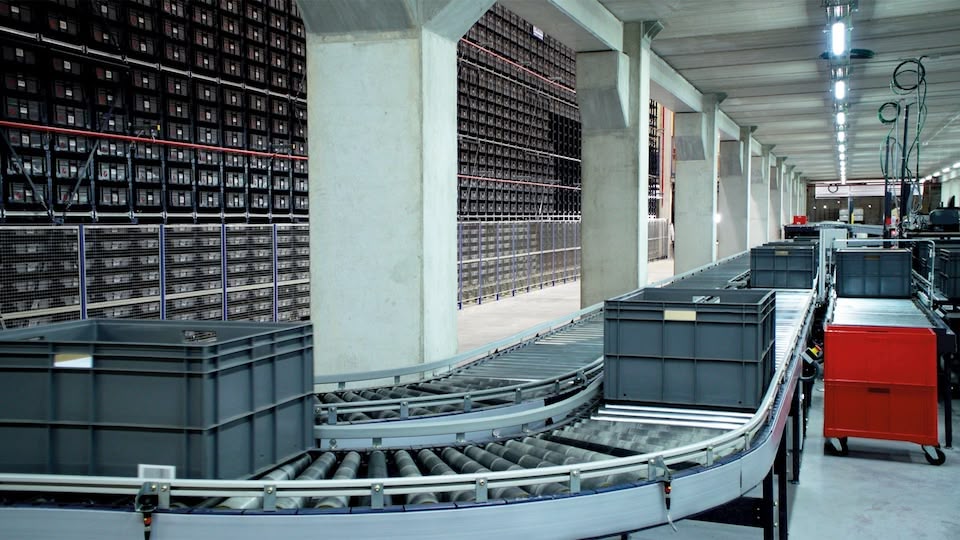
Automated warehouses are not exclusive to large companies. They are increasingly introduced by small and medium-sized companies that want to improve efficiency. The industries that most commonly use this technology include:
- E-commerce
- Pharmacy
- The auto industry
- Production of electronic components
According to research, the global automated warehouse market was worth over $19 billion in 2022 and is expected to reach nearly $40 billion by 2027. That speaks volumes for the growing interest and benefits it brings.
Is the Investment Worth It?
Of course, switching to this kind of solution is not cheap, and it is not done overnight. However, when considering the broader perspective, the payoff is substantial. Companies that have implemented such solutions often see:
- Increasing productivity and speed of work
- Reducing the number of employees in the warehouse (or better allocation of staff)
- Greater safety at work (less physical effort and fewer accidents)
Automation Does Not Mean Laying Off People
In the near future, artificial intelligence is expected to play a significant role in the e-commerce sector. It will have a positive impact on every aspect of the business—from user experience, through product marketing, and all the way to distribution.
E-commerce is expected to increasingly utilize automated warehouses, smart inventory management, personalized shopping, and chatbots.
It is essential to dispel the myth that automation implies robots will replace humans. In most cases, automation frees people from tedious and repetitive tasks, allowing them to take on more complex and creative roles. Humans manage systems, analyze data, and plan, while robots do what they’re told.
What Does the Transition to an Automated System Look Like?
Before embarking on this adventure, a thorough analysis needs to be done. Here’s how it usually goes:
- Assessment of the current state—how much space you have, how many items, what the weaknesses are.
- System planning—choosing the equipment and software that suits you best.
- Implementation—system installation and employee training.
- Testing and optimization—checking that everything works as it should.
The good thing is that there are many manufacturers and software solutions, so each system can be adapted to your business.
Conclusion: The Future Has Already Arrived
If you operate in a sector related to logistics, warehousing or distribution, it’s time to seriously consider automated warehouse solutions. It is no longer a matter of prestige but a practical necessity in a world where speed and accuracy make the difference between success and failure.
The investment may be substantial at the outset, but in the long run, it yields significant savings, enhanced efficiency, and increased customer satisfaction.