

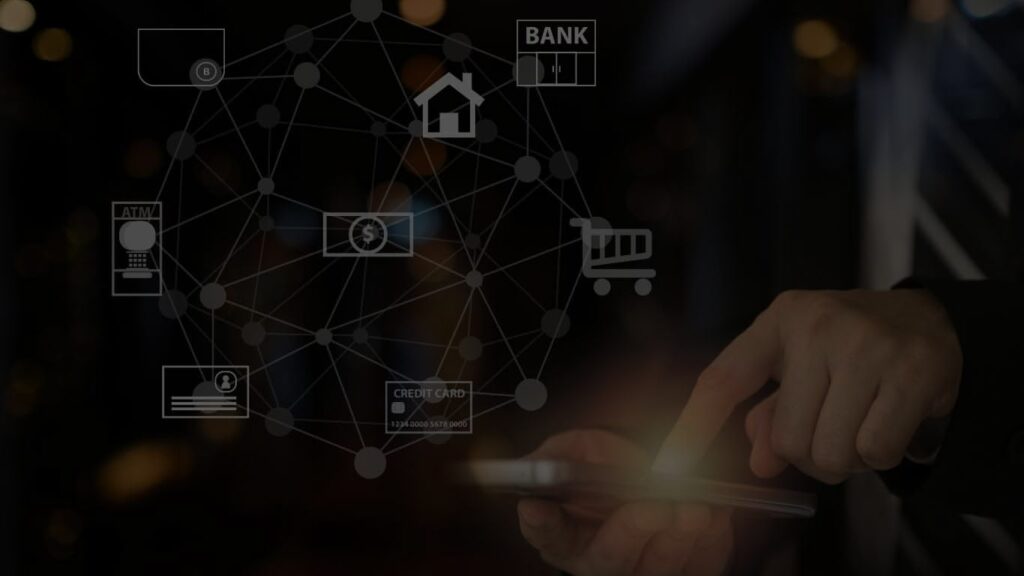
In the fast-moving world of digital finance, mobile banking apps have revolutionized how consumers manage their money. With a few taps, users can transfer funds, check balances, pay bills, and even apply for loans. But as convenience increases, so do the security risks. For businesses—particularly financial institutions and fintech companies—the stakes are higher than ever.
Why Security in Mobile Banking Apps Is a Business Imperative
Security isn’t just a technical requirement; it’s a cornerstone of customer trust and brand reputation. A single vulnerability can lead to a breach, resulting in financial loss, legal consequences, and long-term damage to a company’s reputation.
1. Trust Is Currency in the Digital Banking Era
Your mobile app is your brand’s frontline. If users feel their money isn’t safe, they’ll uninstall the app and take their business elsewhere. In an industry built on trust, even the perception of insecurity can be catastrophic. A well-secured app enhances credibility, while a lapse in security invites scrutiny and customer churn.
2. Regulatory Pressures Are Mounting
Financial services are among the most heavily regulated industries. From GDPR and PSD2 in Europe to the CCPA in California, compliance requirements mandate strong protection measures. Regulators are increasingly focusing on mobile platforms as digital banking becomes dominant. Non-compliance can result in hefty fines and legal ramifications.
3. Cyber Threats Are Growing in Sophistication
Attackers are constantly evolving their tactics. Phishing, man-in-the-middle attacks, fake apps, malware, and SIM swapping are just a few methods used to exploit mobile banking apps. The need for proactive, layered security strategies has never been greater.
4. The Cost of a Breach Is Astronomical
A security breach can cost businesses dearly. Beyond direct financial losses, consider the opportunity costs, customer attrition, and brand damage.
Key Security Features Mobile Banking Apps Must Have
To safeguard both users and the enterprise, mobile banking apps should include:
- Biometric Authentication: Face and fingerprint recognition add an additional layer of protection.
- End-to-End Encryption: Ensures data is secure during transmission.
- Two-Factor Authentication (2FA): Enhances access control.
- Secure APIs: Prevent unauthorized access to backend systems.
- Fraud Detection Systems: Monitor transactions and flag suspicious behavior in real-time.
- Session Timeout: Automatically logs out inactive users to prevent unauthorized access.
Regular mobile app audits are essential for identifying and fixing vulnerabilities before they become liabilities. These audits assess the app’s architecture, encryption protocols, authentication methods, and other critical security components.
The Business Case for Investing in Mobile App Security
Brand Protection
Security is an integral part of brand identity in the financial sector. A secure app signals professionalism, competence, and customer-centric values. On the other hand, a breach can damage your reputation irreparably, no matter how good your UX design or interest rates are.
Customer Retention and Growth
Security isn’t just a cost center; it’s a revenue enabler. Customers are more likely to use and recommend a banking app that they perceive as secure. Positive word of mouth and high ratings in app stores often correlate with user confidence in security.
Competitive Advantage
In a crowded fintech market, superior security can be a differentiator. As more players enter the space, customers will lean toward apps that clearly communicate their commitment to protection. Transparency about your security measures can be a unique selling proposition.
Lower Long-Term Costs
Investing in security upfront reduces the risk of future losses. Think of it as insurance against breaches, fraud, and regulatory penalties. Proactive security measures are far more cost-effective than dealing with the aftermath of a successful attack.
Navigating the Challenges
Security implementation isn’t without its challenges. Balancing user experience with robust security protocols can be tricky. Additionally, staying ahead of emerging threats requires constant updates and vigilance.
Businesses need to remain agile, continually updating their apps to counter new attack vectors. Embracing DevSecOps, where security is integrated throughout the development lifecycle, is becoming the gold standard.
To learn more about how businesses are addressing these issues, check out this insightful blog post on the challenges in mobile banking.
Conclusion
Security in mobile banking apps is not optional—it’s mission-critical. With growing threats, increasing regulations, and higher user expectations, businesses must treat app security as a strategic priority. The investment you make in securing your mobile banking platform today will define your success—and survival—tomorrow.
Whether you’re a fintech startup or an established bank, now is the time to prioritize security. Audit your existing systems, adopt best practices, and stay ahead of evolving threats. Your brand, your customers, and your bottom line depend on it.