

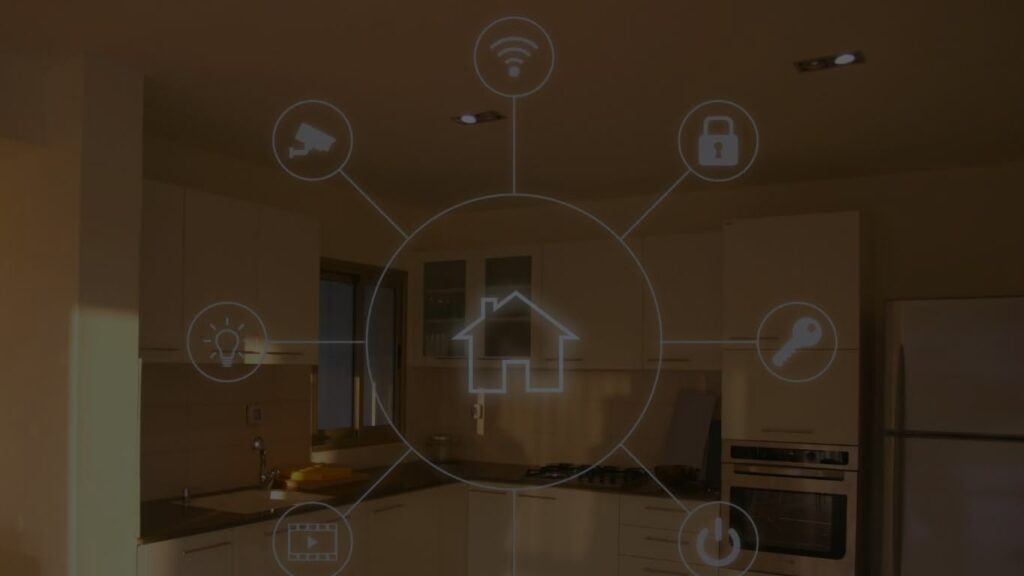
Artificial Intelligence (AI) is reshaping the way we interact with our homes. No longer limited to basic programmable devices, modern smart homes now feature adaptive, predictive, and highly personalized systems, all thanks to the integration of AI. This article will check how AI is revolutionizing home automation—from the technologies powering it to the benefits, challenges, and the future it promises.
The Evolution from Smart to Intelligent Homes
Early Stages
- Traditional home automation was rule-based: scheduled lighting, basic security alarms, and remote-controlled thermostats.
- These systems required manual input and lacked adaptability.
Today’s AI Integration
- Modern AI systems leverage machine learning, natural language processing (NLP), and computer vision.
- They enable proactive decision-making by analyzing user behavior and environmental data.
Driving Forces: Technologies Behind AI-Powered Homes
1. AI-Optimized Chipsets & Edge Computing
- Chipsets like AMD MI300X and Sony’s AI sensor hybrids support localized processing.
- Edge AI reduces latency, enhances privacy, and ensures reliability even during outages.
2. Communication Protocols
- Zigbee: Offers mesh networking, low power usage, and secure encryption.
- Matter: A universal protocol backed by Amazon, Apple, and Google, promoting device interoperability and local control.
3. Machine Learning Algorithms
- Use regression, classification, and reinforcement learning.
- Enable systems to adapt and improve based on real-world data.
Core Applications of AI in Home Automation
1. Personalized Convenience
- Smart homes learn from residents’ habits.
- Adjust lighting, temperature, and music automatically based on routines and preferences.
2. Intelligent Energy Management
- AI systems reduce energy waste by optimizing HVAC usage.
- Can integrate with solar panels and predict usage patterns.
3. Enhanced Security
- Facial recognition and behavior-based alerts reduce false alarms.
- Systems automatically lock doors or alert authorities based on detected threats.
4. Adaptive Learning
- AI adjusts based on seasonal, behavioral, and environmental changes.
- Voice assistants improve interactions by learning natural speech patterns and context.
Effective Integration Methods
Sensor Networks
- Includes motion detectors, environmental sensors, and smart cameras.
- Provide the raw data AI systems analyze for decision-making.
System Architecture
- Combines centralized (cloud-based) and decentralized (edge-based) processing.
- Layers include controllers (e.g., Raspberry Pi), sensors, AI processors, and actuators.
Overcoming Challenges
1. Privacy & Security
- Sensitive data must be encrypted and anonymized.
- Systems should support user-controlled privacy settings.
2. Interoperability
- Devices often use different protocols.
- Initiatives like Matter aim to bridge gaps and simplify integration.
3. Technical Complexity
- User-friendly interfaces are essential to widespread adoption.
- Manufacturers should simplify setup and offer strong customer support.
4. Cost Considerations
- Initial setup can be expensive.
- Long-term benefits include energy savings and increased property value.
Future Outlook
Predictive Intelligence
- AI will soon anticipate user needs even before commands are given.
- Systems will initiate actions like adjusting lighting or preheating ovens based on user routines.
Health and Wellness Monitoring
- Homes will support elderly care, stress reduction, and air quality monitoring.
- AI can alert caregivers or emergency services when anomalies are detected.
Seamless Ecosystems
- Devices from different manufacturers will work in sync.
- AI will act as the central brain, coordinating actions across platforms.
Ethical AI Usage
- Transparent AI behavior, privacy-by-design, and human override capabilities will become standard.
Real-World Use Cases
Smart Real Estate Integration
- Properties with AI features show 5% higher value appreciation.
- Centralized control apps improve tenant satisfaction.
Arduino-Based DIY Systems
- Affordable microcontrollers like Arduino can be used to integrate basic AI features.
- Good starting point for hobbyists and small-scale deployments.
Conclusion
AI has turned smart homes from futuristic novelties into intelligent, living ecosystems. The blend of machine learning, localized processing, and interconnected devices is creating homes that think, adapt, and care.
As the technology evolves, the emphasis must remain on user empowerment, privacy, and seamless integration. For homeowners, the future promises not just automation—but truly intelligent living.