


Visual IVR is one of the latest technologies that has been used to improve customer service. It frees customers from having to deal with frustrating help phone menus and prolonged wait times to get the assistance they need.
Indeed, customer support has come a long way over the years. Today, providing quick and efficient help to customers across various communication channels has become the norm for businesses.
What is Visual IVR?
If customers call a business for assistance, they are usually doled out a list of menu options and asked to press buttons to get to the right department. This is known as Interactive Voice Response (IVR). Although it may be beneficial, conventional IVR can often lead to aggravation, especially if clients must navigate through numerous stages or are routed to an inappropriate agent.
The visual ivr eliminates the need to depend on voice commands or pressing numbers. Instead, they can tap through options on a digital interface on their phone, tablet, or computer. This way, users have a visual representation of the menu, making it much easier to read, understand, and use.
How Visual IVR Improves Omnichannel Support
Omnichannel customer support definition means businesses support through various channels such as phone, email, chat, social media, and mobile apps. The target is to ensure customers can seamlessly experience the process regardless of the way they prefer to contact. Visual IVR is ideal for omnichannel support as it links multiple channels into one intuitive system.
Visual IVR is great at keeping track of customer choices and interactions; so instead of making customers repeat their issue multiple times when switching from one channel to another, the interaction continues successfully. So that if a customer begins on his phone but later switches to chat or email, that system knows what the customer asked and the transition is seamless.
Reducing Wait Times and Improving Customer Satisfaction
Being put on hold is one of the most frustrating things about customer service. Traditional IVR systems tend to amplify this issue as customers must navigate lengthy menus to receive assistance. Visual IVR solves this with rapid navigation through the options. They can view all possible options on their screen and choose the one that best suits their requirements.
Additionally, because Visual IVR reduces hold times and directs customers to the correct department faster, it boosts customer satisfaction. Fast and efficient are terms that most people love, and visual IVR allows them to resolve their issues in less time.
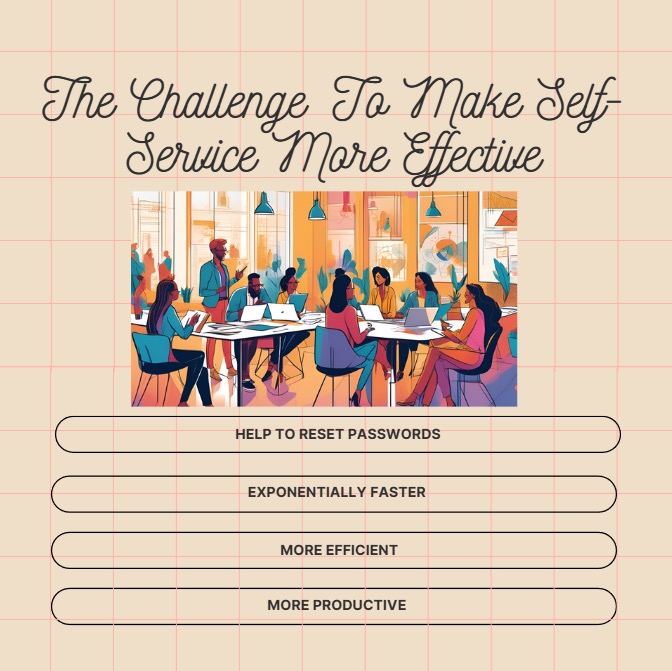
The Challenge To Make Self-Service More Effective
Most customers want to resolve issues without waiting for a representative. For this reason, Visual IVR is helping so many companies turn self-service processes into something more productive, easier, and intuitive to use. Customers get access to FAQs, troubleshooting steps, and account information without having to talk to an agent.
Instead of getting stuck on hold and asking for help to reset passwords, for example, they can follow simple steps on the visual IVR interface. If their inquiry requires further assistance, they can quickly transfer to a live agent who already has the details, making the conversation faster and more efficient.
Integrating Multiple Customer Support Channels
A good omnichannel experience means customers can switch from one support channel to another without repeating themselves. Visual IVR bridges channels, allowing customers to seamlessly move from one type of support to another.
For instance, if a customer begins their journey with visual IVR on their mobile phone but requires additional support, they can effortlessly transition to live chat or email while retaining all of their information. The system remembers that interaction, so the customer doesn’t need to rehash all of that information. This helps save time and reduce frustration.
Helping Businesses Save Money
For several calls, it is quite costly to hire customer service agents. It allows businesses to save costs on dealing with common customer queries via Visual IVR without requiring an agent to handle each call. The system’s self-service options allow many customers to get answers without involving support teams.
As visual IVR directs customers to the right department faster, it also helps in reducing call transfers. A poof fewer transfers means agents can focus on resolving problems rather than passing calls, making each customer service interaction more effective.
Decreasing Errors and Miscommunication
Traditional IVR systems are based on speech recognition and keypad inputs, and can easily be mistaken. Customers may hit the wrong button, misinterpret an option , or struggle with voice commands. These errors can be frustrating and cause delays.
Visual IVR addresses most of these challenges by providing a clear interface for customers to interact with directly. Customers no longer have to struggle with unclear voice menus or navigate through a phone tree. They can easily choose the correct option, minimizing mistakes and increasing accuracy.
Adapting to Modern Customer Expectations
Customers today expect immediate and easy service. The advent of smartphones and digital communication means that people prefer to interact with visual interfaces rather than sit through interminable voice menus. Visual IVR addresses these expectations with a simple, digital-based vision.
By implementing Visual IVR, businesses show that they care about saving their customers’ time and effort. Not only does this increase customer satisfaction, but also aids in customer loyalty. A seamless and trouble-free support process encourages customers to remain loyal to a brand.
A Global Reach: Multi-lingual Support
Many businesses serve customers across countries and languages. Traditional IVR systems are often complex to use, especially in the case of language barriers.
This is where visual IVR can come to the rescue and provide multilingual support. It allows customers to choose the language they prefer and navigate the system in a way they understand. It makes customer service more welcoming and direct for a global audience.
Gain Valuable Insight and Customer Data
Not only does Visual IVR provide instant feedback but it also allows the business to gather valuable data about customer interactions. At a broad level, this analysis can help businesses discover widespread problems, streamline support, and, ultimately, improve the customer experience.
So if several customers are picking the same choice, there is likely an underlying issue that needs to be resolved. This data allows businesses to higher their products and services, minimizing customer complaints going forward.
Use Cases of Visual IVR in the Insurance Sector
For instance, if a customer needs assistance beyond what the visual IVR system can help with, an AI-powered chatbot can assist with concerns. If the chatbot is unable to resolve the issue, it can hand over the chat to a live agent who already knows all the history of the problem.
The approach of visual IVR and AI makes customer support quick and smart.
The Future of Visual IVR in Customer Support
Visual IVR will continue to be driven by technology evolution. CDNs help in balancing the loads during heavy traffic and integrating dynamic origins seamlessly. Investing in visual IVR today prepares businesses for the future of customer service.
FAQs
- How does visual IVR improve customer service?
Visual IVR makes it easier for customers to navigate support options, reduces wait times, and connects different channels for a smoother experience. - Can visual IVR be used with other support channels?
Yes, Visual IVR integrates with phone support, live chat, email, and AI-powered chatbots to create a seamless omnichannel experience. - Is visual IVR difficult for customers to use?
No, visual IVR is designed to be user-friendly, providing a simple digital interface that makes customer support easier and more efficient.
Visual IVR makes support more accessible, easier, and faster which helps companies develop strong relationships with their customers and get ahead of the competition.\\
Conclusion
The future of customer support through Visual IVR will improve navigation, reduce wait times, and enhance self-service capabilities. Visual IVR streamlines the customer journey by integrating with various support channels to provide a seamless customer experience. It helps businesses lower operational costs, minimize errors, and meet contemporary customer demand.
The future of omnichannel customer support will be further transformed by visual IVR as technology develops and improves. Those enterprises adopting this system today would be in a better position to serve and satisfy customers and sustain their relevance in the age of digital.