


CTI is an essential technology that enables seamless communication between computers and telephone systems. By integrating the two, businesses can streamline their operations, increase efficiency, and deliver superior customer service. It’s a bridge between the digital and telephonic realms that is gaining prominence in a world that values quick and effective communication. Keep reading to discover how CTI can transform the way your business communicates.
Exploring the Basics of CTI

Alt text: Office space of a business that uses computer telephony integration to improve tasks like routing calls and logging call data.
At its core, CTI is a technology that allows users to control their phone systems through their computers. This innovation facilitates tasks such as dialing phone numbers, routing calls, and logging call data without manual intervention. It’s a key component in many customer relationship management (CRM) systems, where it helps to personalize and expedite customer interactions.
Understanding what is computer telephony integration is essential for businesses looking to leverage technology for enhanced communication. The basic premise behind CTI is that it takes signals from the telephone network and converts them into a form that a computer can understand, and vice versa. Consequently, this enables functionalities that go beyond traditional telephony, like screen popping, where relevant customer information is displayed during a call.
CTI technologies have evolved from simple screen pop to sophisticated systems that integrate with various business tools. They work across different platforms, be it VoIP (Voice over Internet Protocol) or traditional phone lines, empowering businesses with versatility in their communication infrastructure. With the ubiquity of cloud computing, CTI systems have become more accessible and scalable, fitting businesses of all sizes.
How CTI Enhances Customer Service and Support
Enhancing customer service is a key advantage of CTI. When service agents are empowered with immediate access to a customer’s data, they can provide a tailored service that acknowledges the customer’s history and current needs. This individualized approach often results in higher levels of customer loyalty.
CTI also improves the responsiveness of customer support teams. With features like intelligent call routing (ICR), calls are less likely to be misdirected, reducing the customer’s wait time and preventing the frustration of being bounced between departments. Swift and accurate call handling is a pillar of exceptional customer service.
Moreover, CTI allows for better collaboration among service teams. As information is readily shared across platforms, team members can easily access necessary data to assist in resolving customer issues. This interconnected communication drastically improves problem-solving efficiency and contributes to a cohesive service experience.
Integration Challenges: Bridging the Gap Between Computers and Telephony
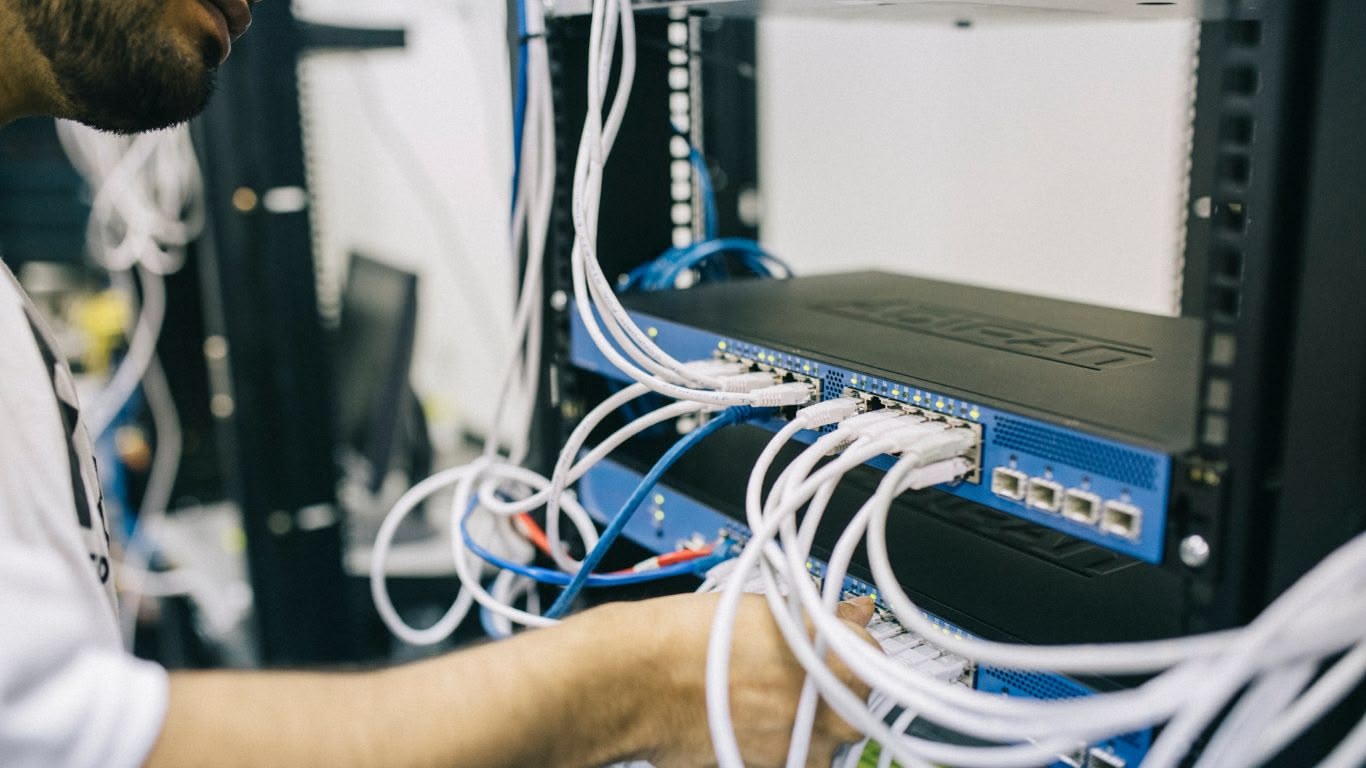
Alt text: Employee operating a server of a business that uses computer telephony integration
Despite CTI’s clear benefits, integrating it into existing business systems can pose challenges. Companies may face technical hurdles when merging CTI with legacy telephony equipment or software not designed for such integration. This can result in initial implementation costs and complexities that require careful planning and expertise.
Another challenge pertains to data security. As CTI systems handle vast amounts of sensitive customer information, ensuring this data is protected from breaches is critical. Implementing reliable security measures and adhering to data protection regulations is a non-negotiable aspect of CTI implementation.
User adoption can also be a barrier to successful CTI integration. Staff may resist changing their established workflows and require thorough training to utilize the new system effectively. Businesses must invest in educating their employees on the advantages and functionalities of CTI to ensure buy-in and effective usage.
Future Trends in CTI: What to Expect Next
Looking ahead, the future of CTI is closely tied to advancements in artificial intelligence (AI) and machine learning (ML). These technologies promise to enhance the automation features of CTI, providing even smarter call routing and predictive customer service capabilities. As AI becomes more sophisticated, it will further personalize customer interactions and drive efficiency.
Another trend on the horizon is the deeper integration with omnichannel communication platforms. CTI systems are expected to expand their functionalities to seamlessly connect with social media, email, and live chat services. This will ensure that voice interaction remains an integral yet harmonious part of the broader customer communication strategy.
Overall, CTI is revolutionizing how businesses interact with customers. As we move forward, CTI is expected to become even more ingrained in the fabric of modern communication strategies, yielding benefits that extend beyond improved customer service to encompass operational efficiency and competitive advantage.